
If you are staying in Eastern Slovakia, in towns like Košice or Prešov, and you would love to take a shorter half-day trip nearby, Kapušany Castle can be a great choice. It is not a polished tourist attraction but rather a raw, atmospheric ruin with great views over the Šariš region. It is an excellent mix of nature, history, and photography, with an easy climb (walk) up.
Where Is Kapušany Castle Located?
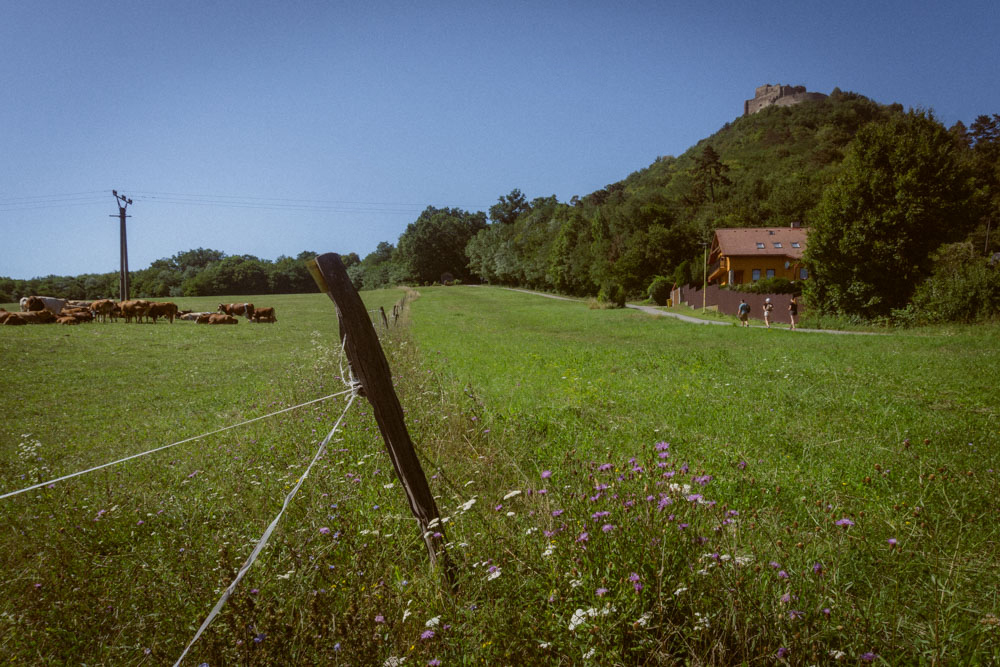
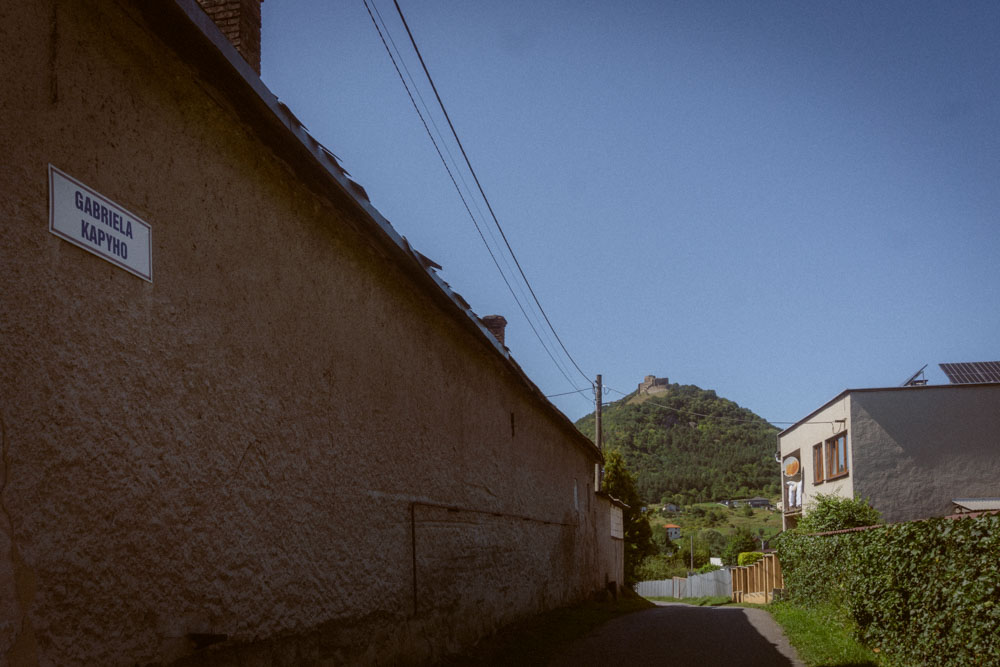
Kapušany Castle lies in the village of Kapušany pri Presoševe, about 10 kilometers north of Prešov. The castle stands above the village and, thanks to its position, can be an easy addition to a trip around Prešov.
How to get there
By car: There is a parking lot in the Kapušany village near the marked trail.
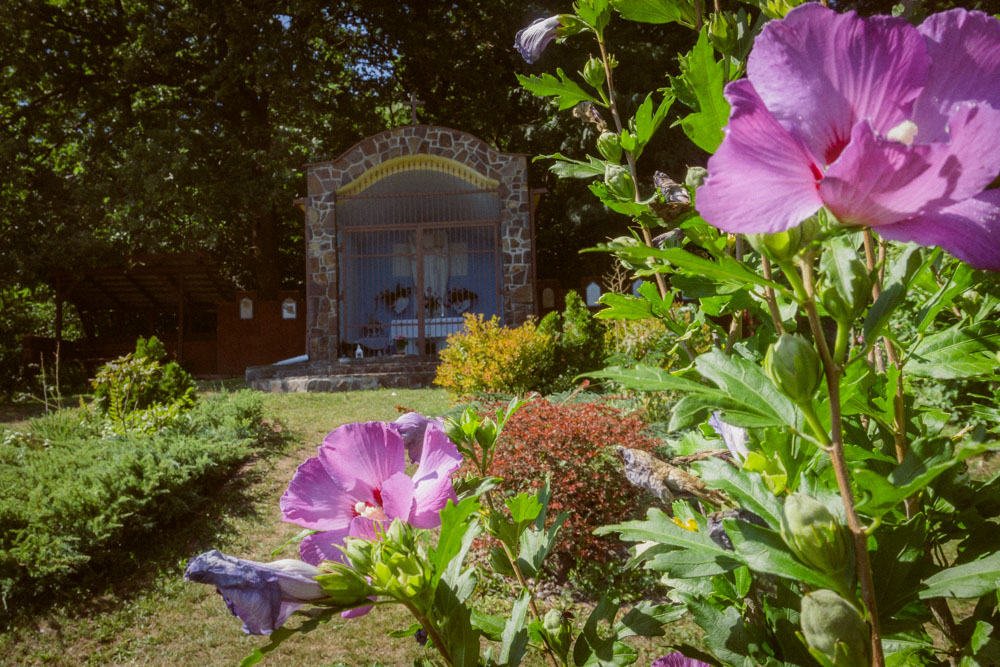
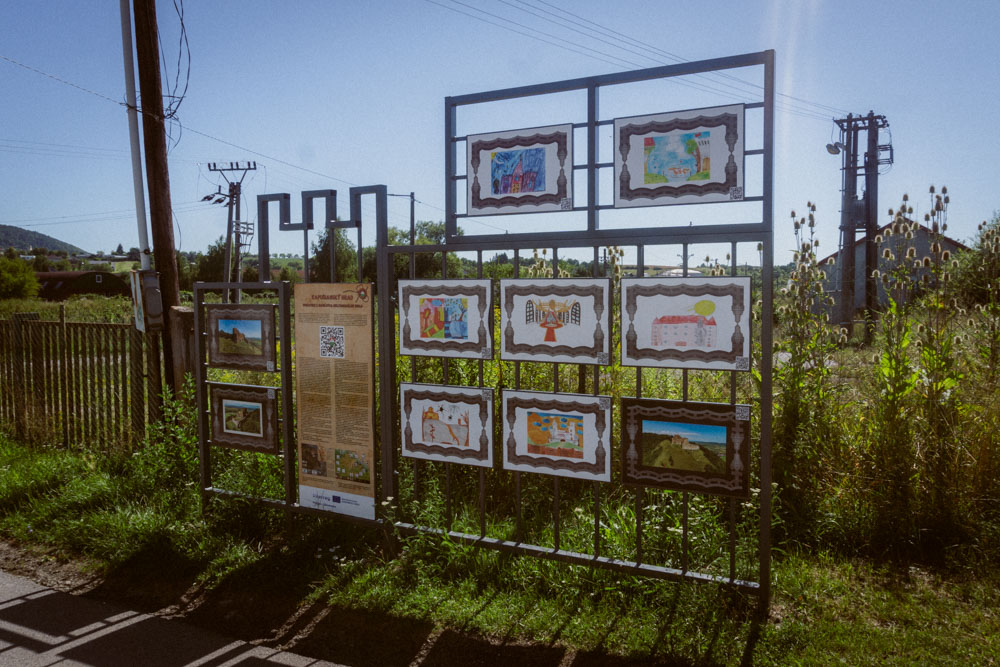
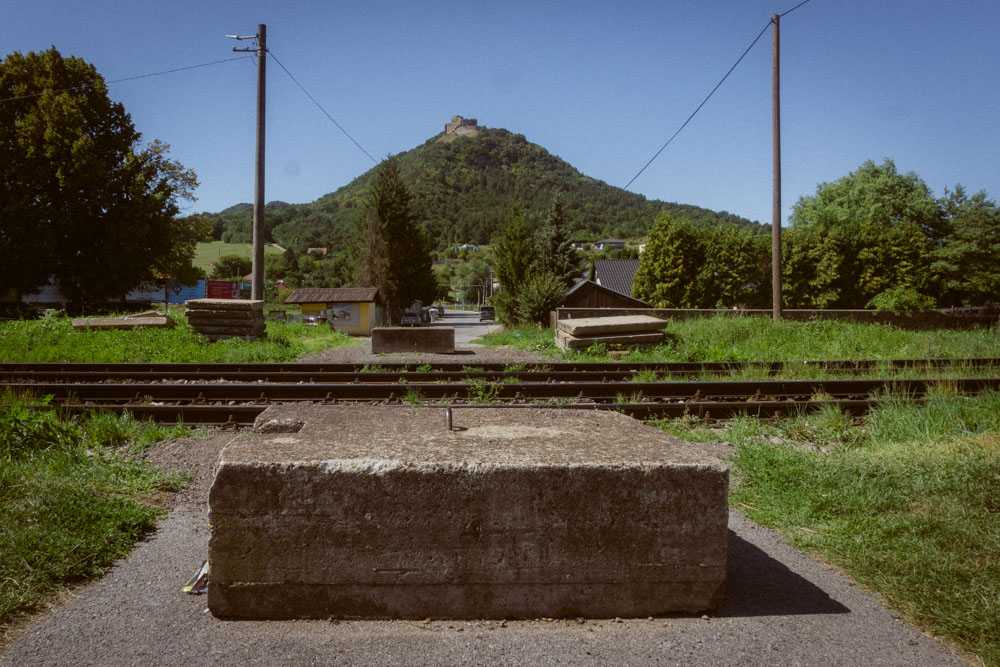
By public transport: You can take a bus from Košice bus station (around 50 minutes) or Prešov bus station (around 15 minutes) directly to the village. There is also a rain connection from Prešov. The bus will stop on the main road, and you will need to walk through the village, pass the Catholic church, and the railway until you reach the trailhead (Parking lot under Kapušany Castle).
If you take the train, you will need to walk to the parking lot too, but from the other (western) part of the village.
A Brief History
The history of this small but lovely castle dates back to the 13th century. It was primarily built to function as a defensive fortress guarding essential trade routes in the Šariš region. Its location on the steep hill made it an ideal place for surveillance and protection.
One of the first families to live in the Kapušany castle was the Maglód, or Maglovec, family. The family line died out around 1300. Later in 1315, due to some uprisings, the castle was captured by the royal army. Then we see the Kappa family (formed by Andrej de Koka, who got the place as a gift from Sigismund of Luxembourg) rebuilding it from ruins and maintaining their ownership for many generations.
Later, we see some key events that contributed to its decline. In the 17th century, the anti-Habsburg uprisings happened, and Imrich Tököly (leader of the Kuruc rebels) occupied the castle.
In 1709, Francis II Rákócsi became his owner. His commander, Telekessy, ordered to set the castle on fire. In 1712, the castle went back to the Kappa family. One of its members, Eva Gergelakyová, the widow of Gabriel of Kapušany, ordered to repair and restore the castle. Unfortunately, in 1715, the Hungarian Diet decided to burn the castle again to prevent it from becoming a center of anti-Habsburg resistance.
Since 1715, the castle has been abandoned and has slowly fallen into ruin. But we can also see that in 1879, it was still in good condition. There are drawings by Miskovsky that show the castle, though some roofs are missing.
In 70s we see the first official archaeological excavation taking place. Kapušany Castle was later designated a National Cultural Monument of Slovakia. Then, in 2012, nearly 300 years after its destruction, conservation and restoration works began and continue to this day.



What Remains of Kapušany Castle Today
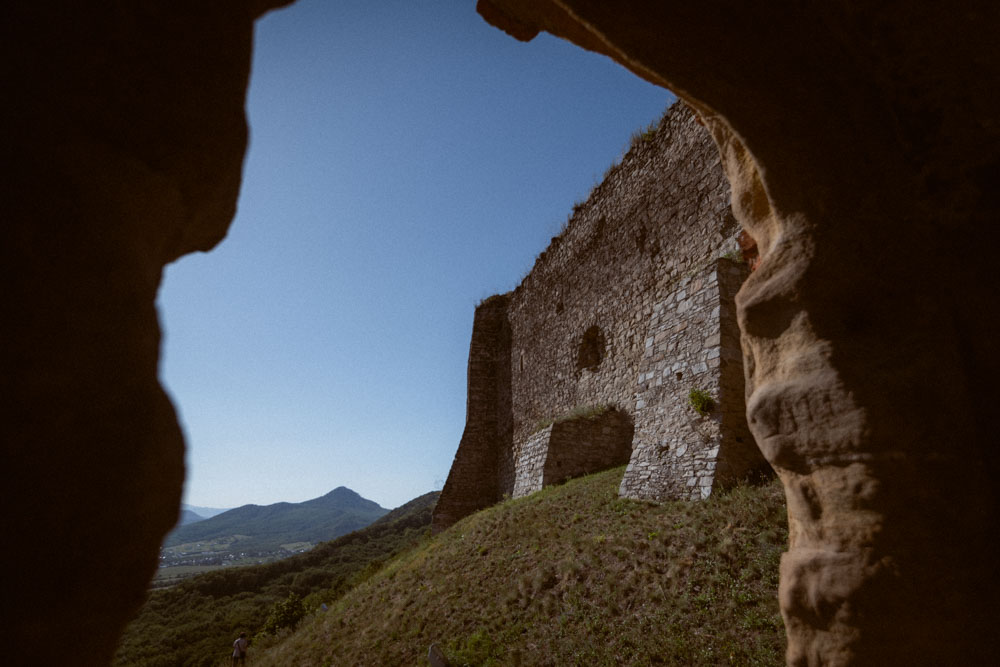
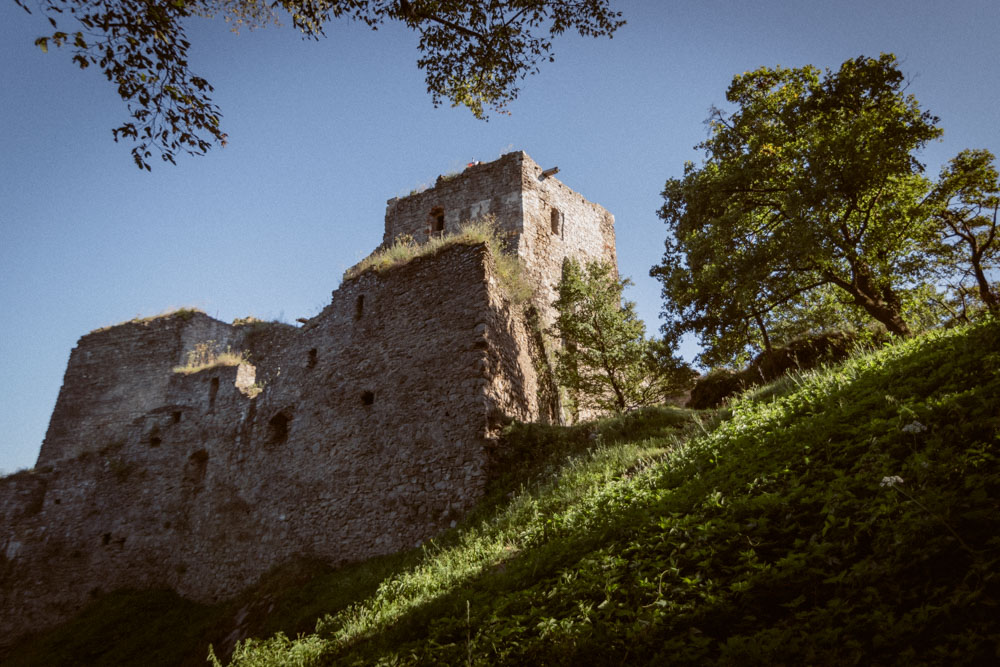
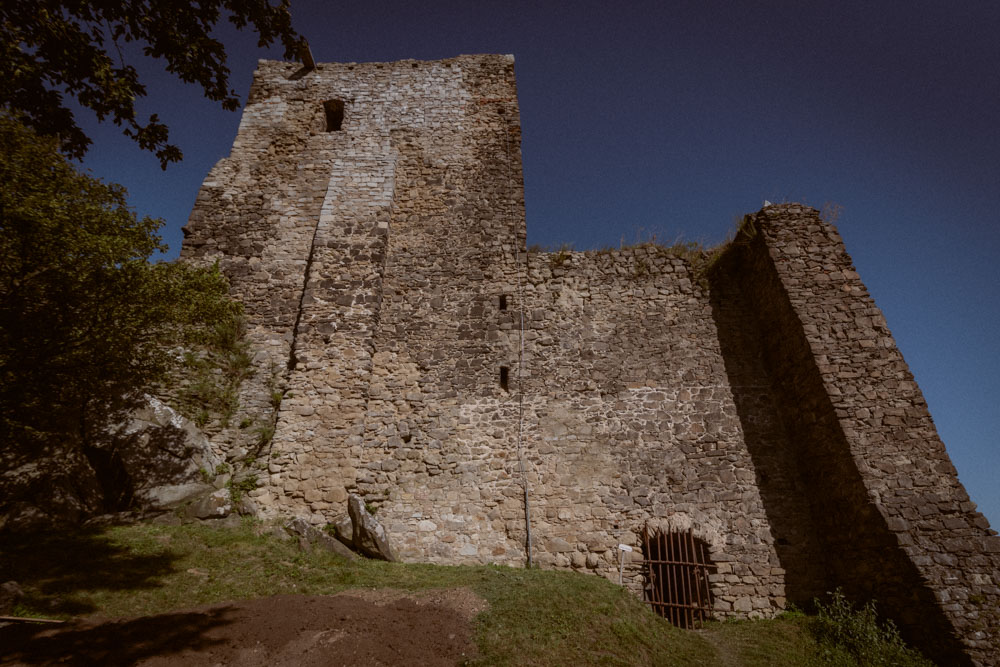
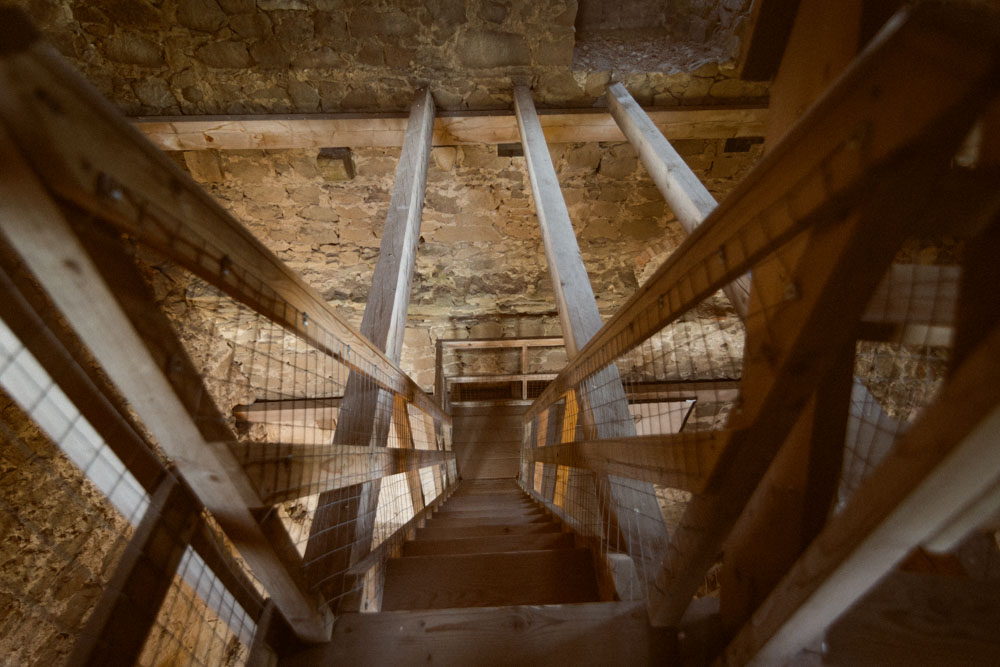
Today, the archeological research and restorations are continuing, and you can meet local volunteers and historical groups at the castle. One part of the castle (the tallest tower) is accessible for a small fee and open only when the working groups are present.
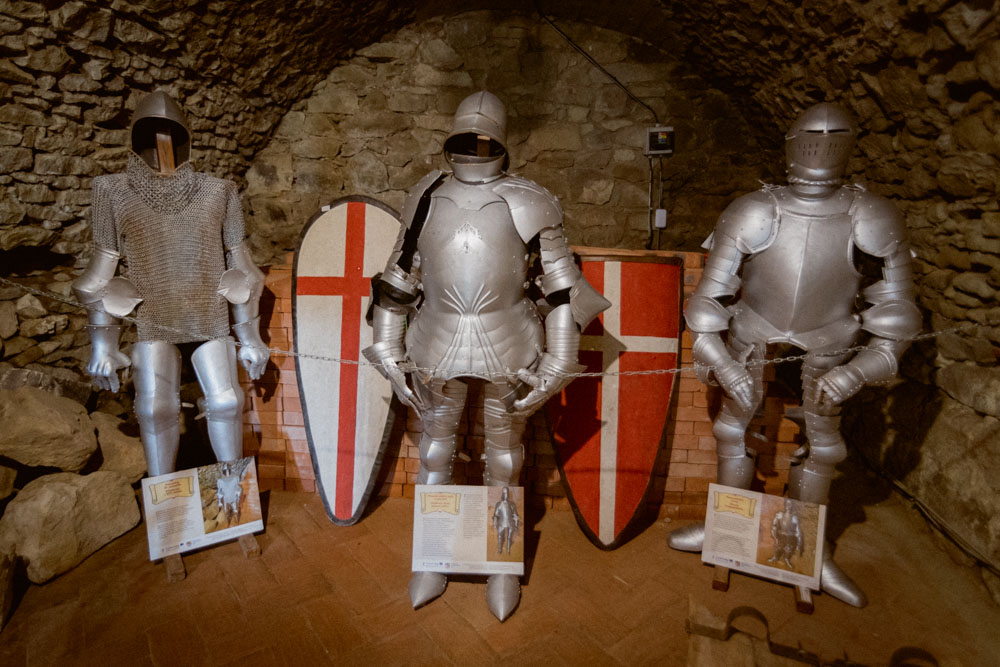
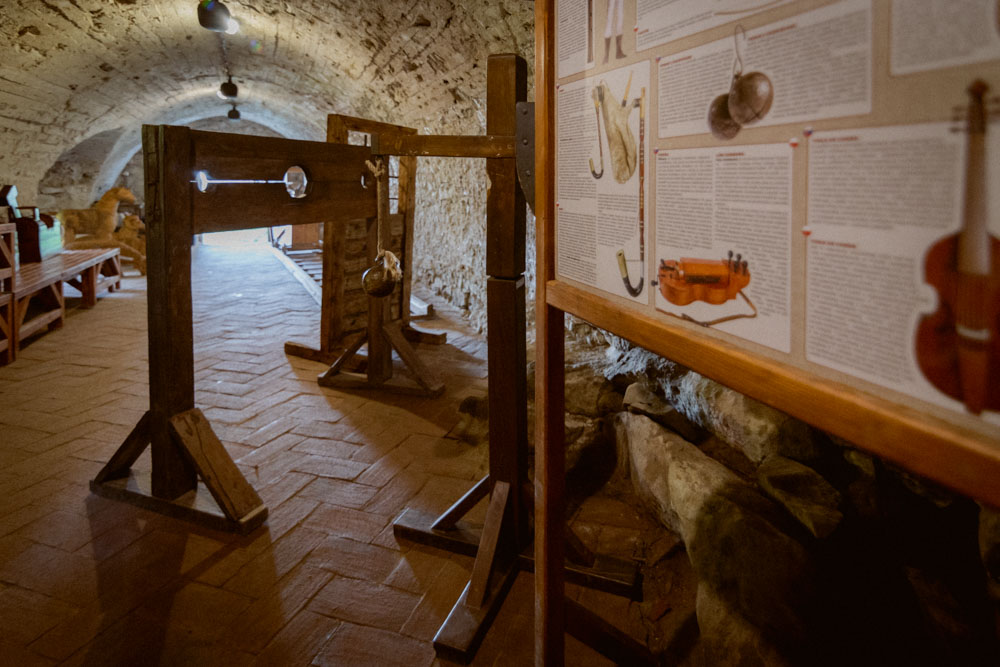
Besides the remnants of towers and outer walls, you will see the overall castle layout and be able to go into some of its inner rooms, filled with medieval armour, torture equipment, and tools for everyday use.
Hiking to Kapušany Castle
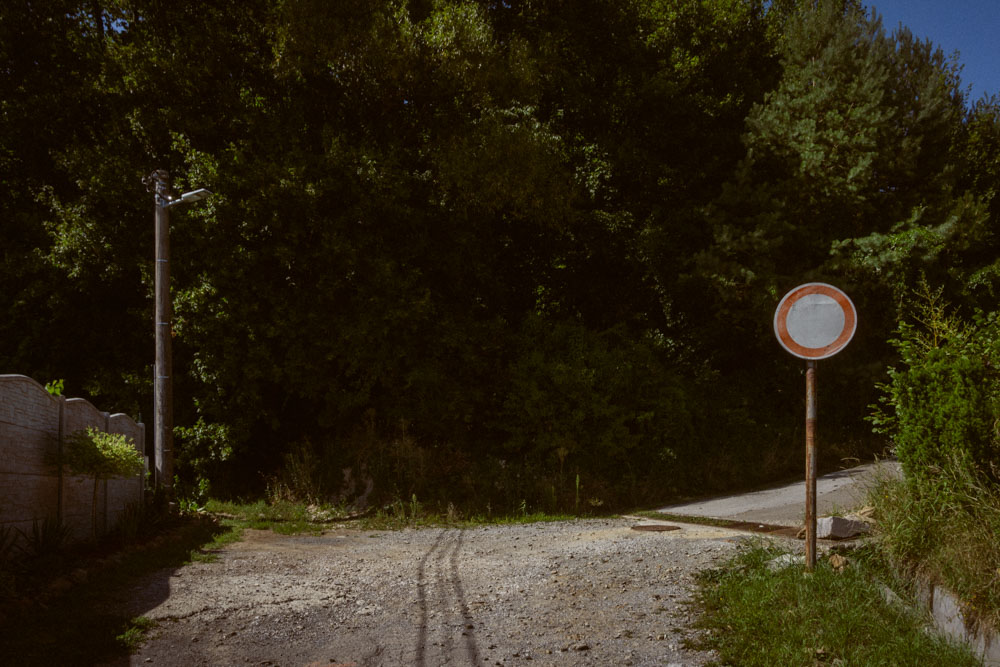
Two hiking trails lead to the castle from the parking lot. One is short, going through rocks, but very steep and not very easily accessible. I tried it first, but had a hard time getting into the woods and onto the path inside. It looked like it was made inaccessible on purpose.
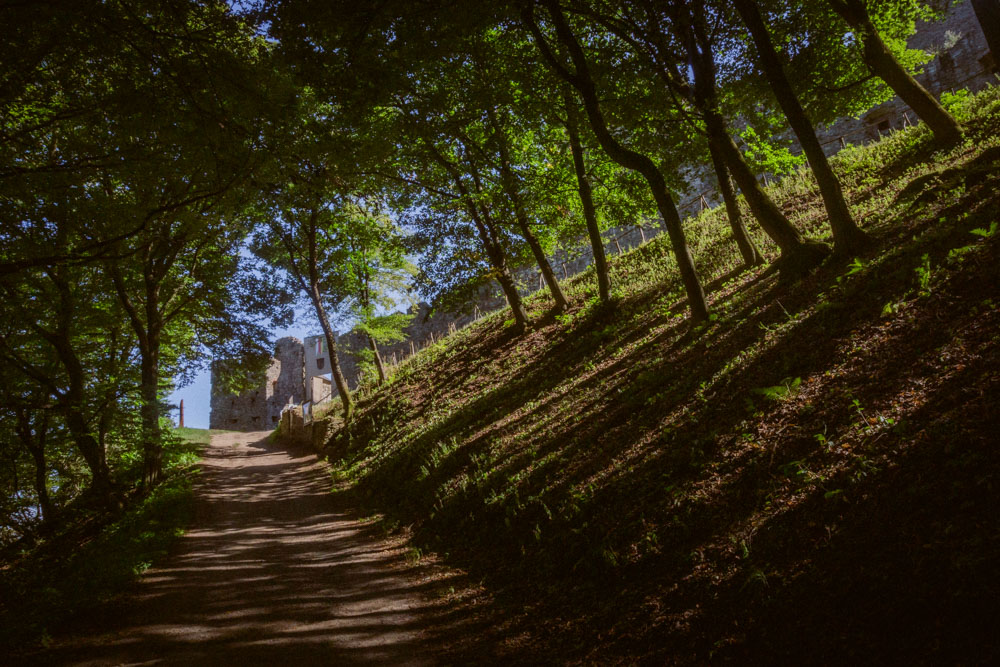
The second trail is longer and can also be accessible by car, but only for people working at the castle. But because cars can pass it, it’s suitable for families with children, too. Just be aware that it’s nearly an hour-long walk with minimal elevation. The best time of the year to visit the Kapušany castle is probably spring, summer (but those cooler days), and autumn. In winter, the icy paths can require more caution.
Views
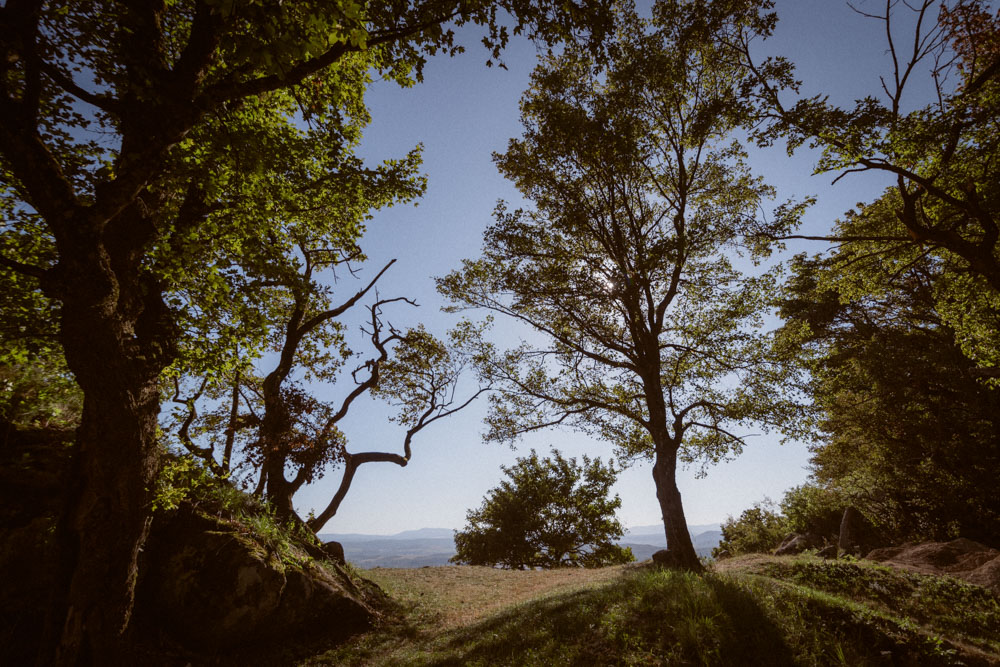
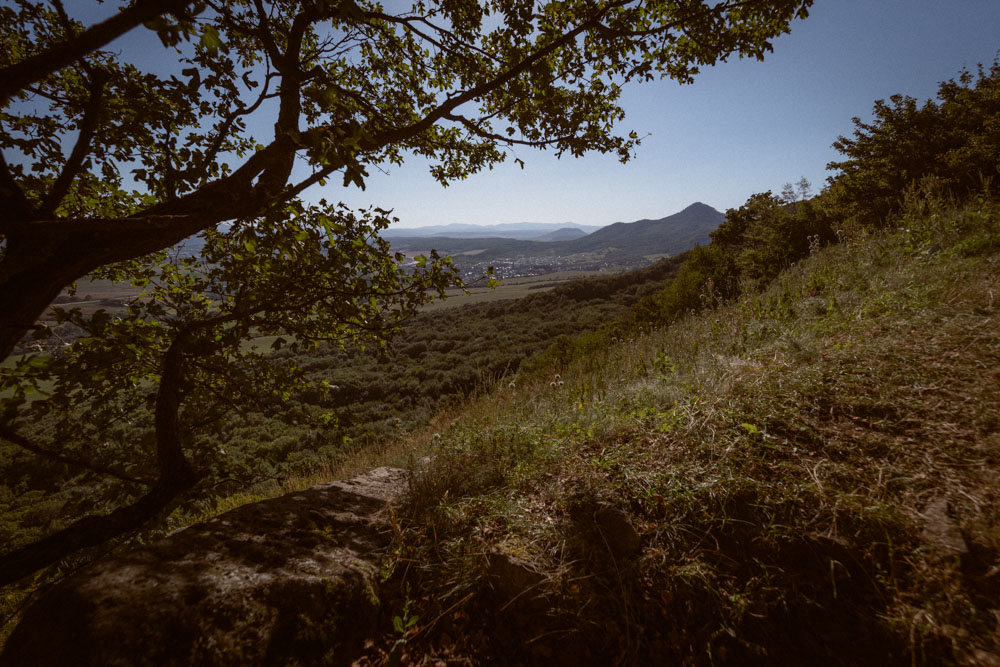
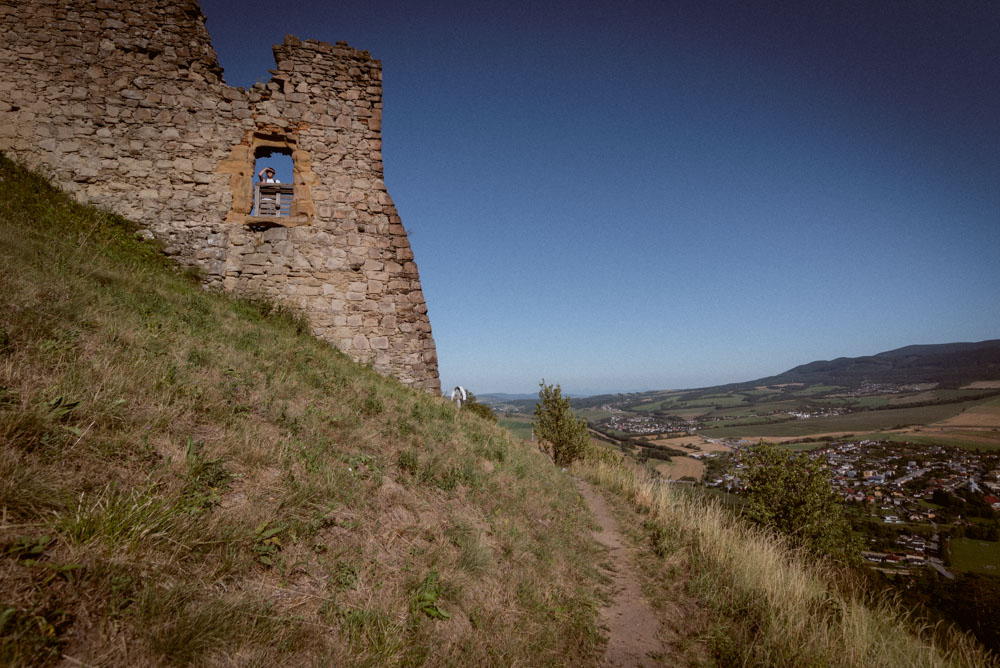
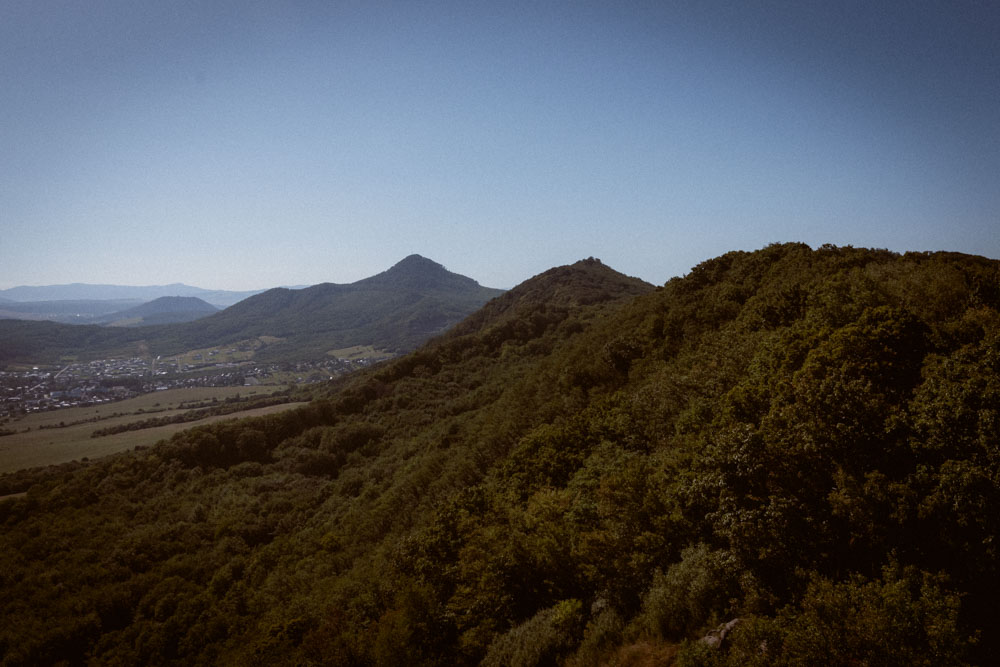
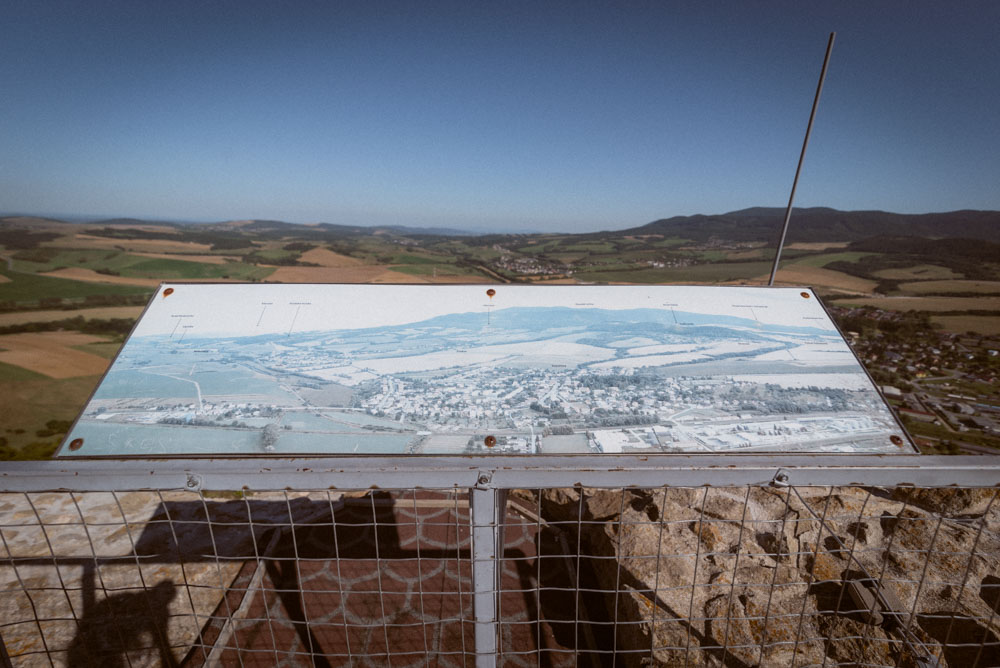
The most remarkable thing about the castle is the view of the entire region. You will see the village below, and on one side the Šariš region, while on the other, when the weather is good, you can also see the mountain Vihorlat. Kapušany Castle is a quiet place, open and rarely crowded.
Events
Mainly during the summer season, the municipality of Kapušany organizes many events at the castle or in the village. Some of them include:
- Night at Kapušany Castle
- Kapušany Castle Summer (features performances by groups such as OZ Spolok šarišských šermiarov SARUS, OZ Fatima, and OZ Divadlo na doske.)
- Return of the Knights to Kapušany Castle – recurring annual highlight
During the castle festivals, you can expect to see
- historical fencing groups
- falconry shows
- medieval crafts
- guided castle tours
- archery, coin minting
- live blacksmithing, pottery
- traditional medieval cuisine
Practical Information
The castle is free of charge; you only pay a small fee to enter the watch tower—ticket price: adults 1 €, children over 10 years old and older people 0,50 €. Moving around the castle is at your own risk. The info center and the watch tower are closed during the winter. In case you are a bigger group, you can arrange a guided visit with the castle administrator at least three working days before the visit (+421907942928, Mr. Petrásek). Please note that flying drones is not permitted in this area. A clearly visible sign at the entrance to the forest warns visitors of this restriction.
Things to See Near
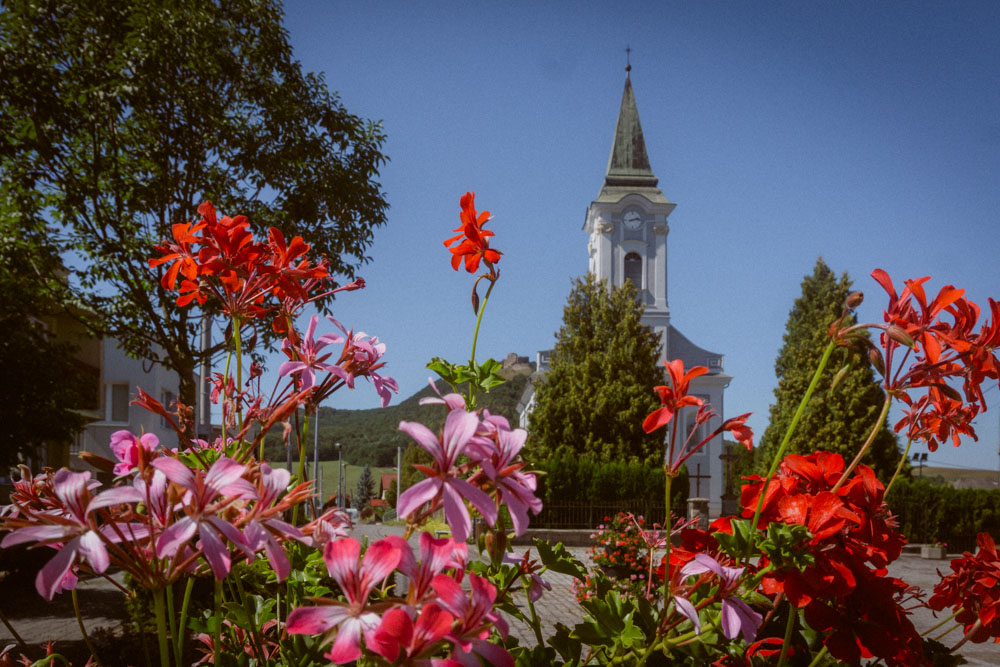
Kapušany castle can be done in a couple of hours, so if you have some time, you can explore the Kapušany village itself. Although there isn’t much to do, the local park is quite lovely and an ideal place to chill a bit. There is also the Catholic Church of St. Martin, which is open during mass hours (usually around 5, 6, or 7 PM). The highlight of the local cultural calendar is the Kapušany Folklore Days, part of the Kapušany Cultural Summer.
For those who have come with the car, there is a nearby Šaris Castle. It stands on the hill between Prešov and Veľký Šaris. It has massive ruins, long walls, and is excellent for expansive panoramic views. The hike is steep and longer, but still manageable. Allow around 2-3 hours for its exploration.
Those who rely more on public transport can explore Solivar (Salt Plant), a unique technical monument outside Prešov’s city center. It is a unique complex of technical structures used to pump and boil salt from brine, dating back to the 17th century.
Or you can visit the historic core of Prešov, which is compact and walkable, with many lively cafés and quiet side streets. Its highlights include Main (Hlavná) Street, St. Nicholas Cathedral, Orthodox and Jewish landmarks, and some soviet brutalist buildings.
Is Kapušany Castle Worth Visiting?
Kapušany Castle is an ideal destination for travelers who prefer places that are less crowded with tourists. It’s perfect for a short trip near Prešov or Košice, offering an easy hike and a peaceful atmosphere. If you would love to experience more of the medieval atmosphere, you can come when some of the special events happen.
Sources:
kapusany.sk/kapusiansky-hrad
muzeum.sk/solivar-v-presove.html
Sources: