
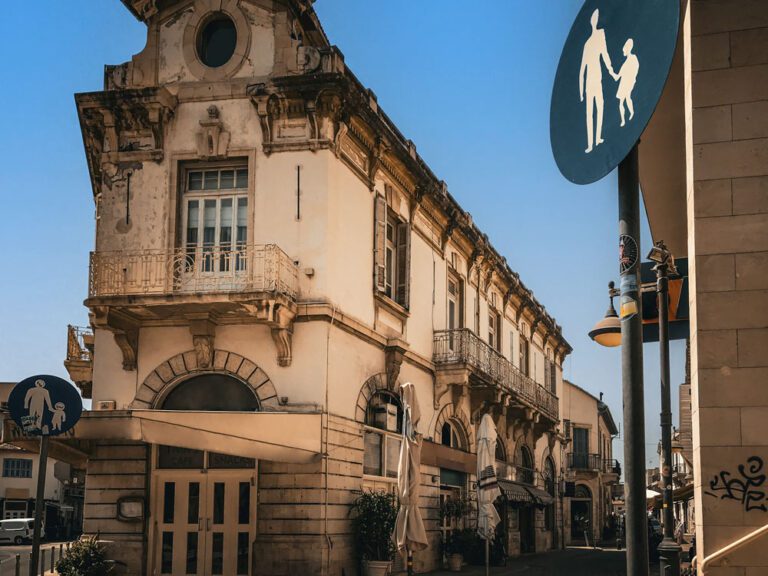
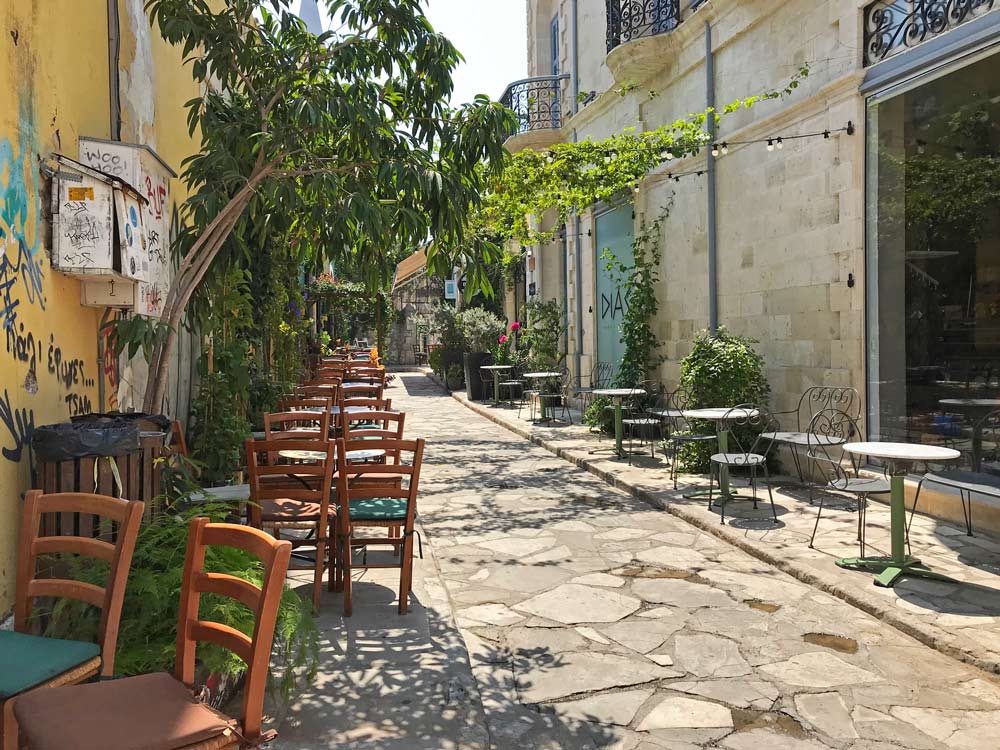
Limassol is a coastal city in the southern part of Cyprus. After the capital city Nicosia, Limassol is the second largest city on the island. It lies between two big archeological sites – Amathus, and ancient Kourion. There are many activities and things to do in Limassol or its surroundings. I will discuss some of these in the following paragraphs.
Some links in this article are affiliate links, which may help support this blog at no extra cost to you.
Limassol Marina
The Marina is located only 500 meters away from the Limassol Castle near the city center. It opened in 2014 and quickly became an attractive point for tourists and luxury-seeking people.
When exploring the ships and luxury yachts in the Marina, you can notice that some can accommodate up to 110 meters in length. There are also many luxurious high-end residential properties, restaurants, cafes, and boutiques.
The place comes to life also with live music, festivals, and cultural exhibitions that cater to residents and tourists.
Molos Promenade
The promenade goes along the waterfront. It is around 1.5 kilometers long. There is a lot of space for everyone who enjoys walking, jogging, or cycling.
The place is also known for hosting temporary art exhibitions. Some art installations (sculptures) are permanent, and you can find many of them on your way.
Besides numerous cafes and restaurants, the place is family-friendly and offers some playgrounds. Fishing piers are ideal for anglers, while separate areas are for picnics. Swimmers can also enjoy easy access to the sea.
Limassol Castle
The medieval castle stands in the heart of the city, just steps away from the promenade. While its stone walls reflect Byzantine, Frankish, and Ottoman history, its most famous moment came in 1191. This very site witnessed the wedding of Richard the Lionheart and Berengaria of Navarre. Shortly after his conquest, Richard sold the island to the Knights Templar, making Limassol a crucial starting point for their legacy in Cyprus.
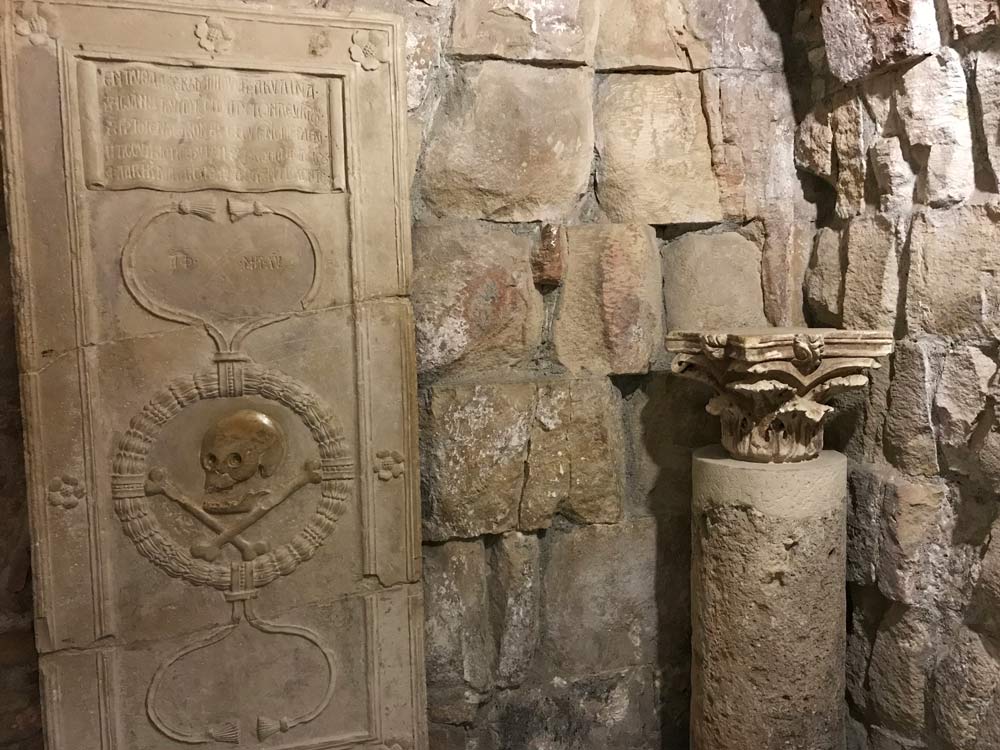
Today, Limassol castle houses the Cyprus Medieval Museum. As you walk through its cool, vaulted halls, you’ll find a fascinating collection of pottery, coins, and medieval weapons. One of the most striking exhibits is the collection of medieval tombstones (some featuring the haunting skull and crossbones), which offer a silent testimony to the knights and nobles who once ruled the island.
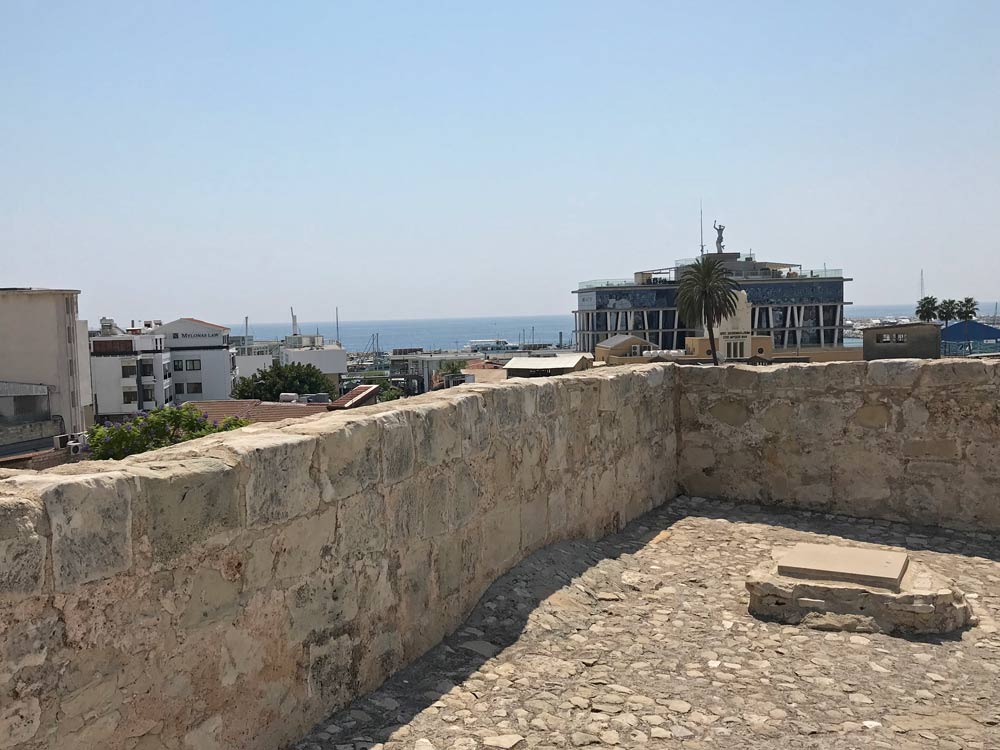
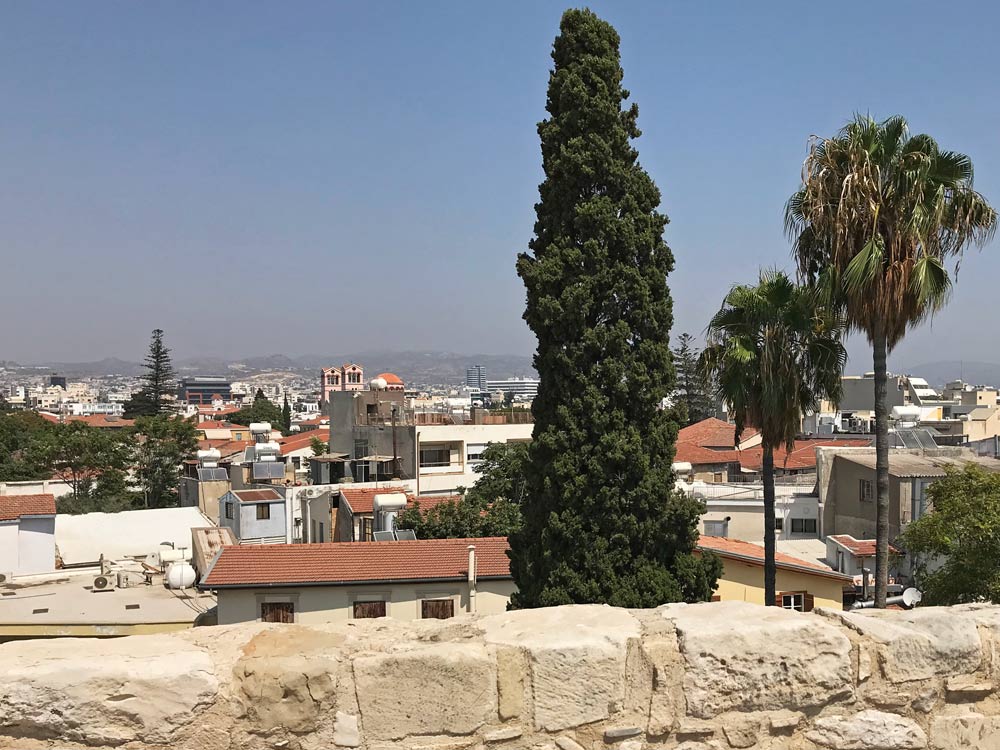
After exploring the artifacts, climb to the rooftop for a stunning panoramic view of the Limassol seashore and the bustling city center. It’s a sharp contrast to the castle’s past – in the 16th century, the Ottomans rebuilt it, and for centuries (including the British period), the thick stone walls served as a prison. You can still visit some of the original cells and dungeons today.
Old Town
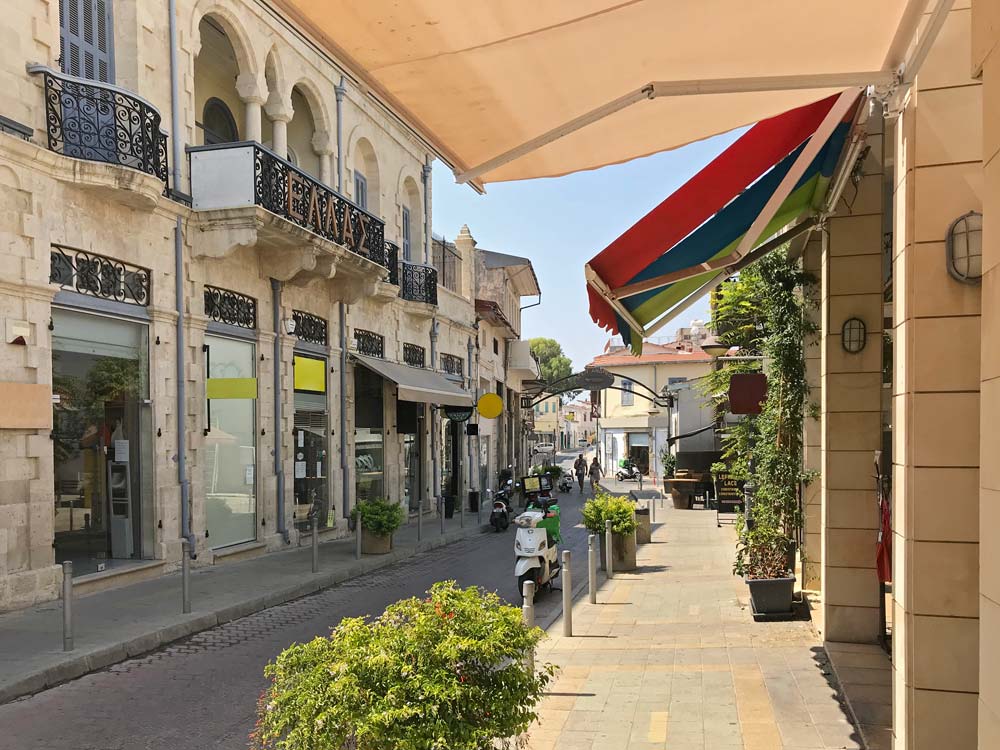
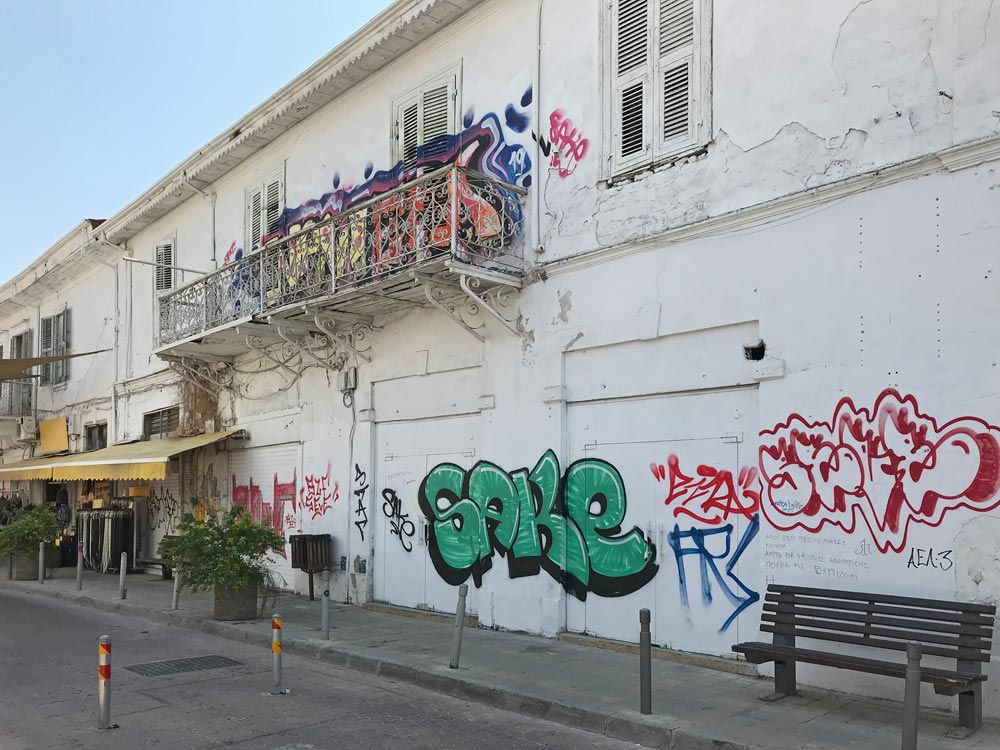
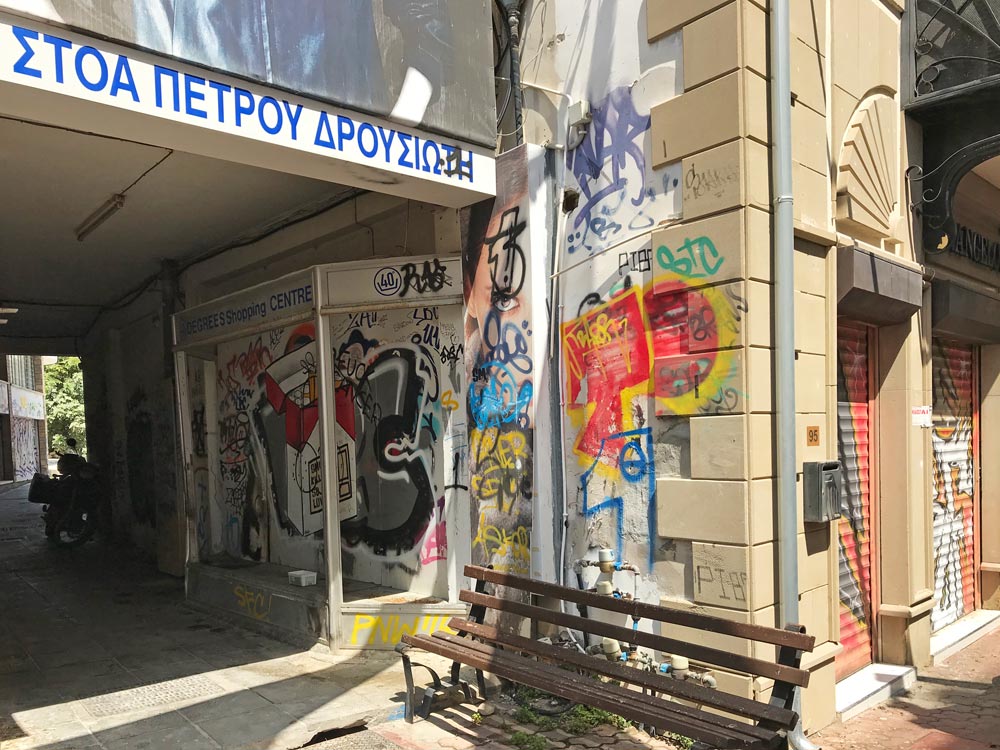
Strolling the streets of the old town is another thing to do in Limassol. Besides the castle with museum, you can visit Ayia Napa Cathedral, built between the 19th and 20th centuries. The church is dedicated to the Virgin Mary and built upon the ruins of an ancient Byzantine church.
Limassol comes with its skyscraper – One Limassol, Cyprus’s tallest tower and the tallest seafront residential building in Europe. The city is building new similar buildings that should be taller and above 50 m.
Everyone who wants to go shopping should visit the Agiou Andreou Shopping street (ideal for souvenirs) or the Anexartisisas street (more high-end designer shops).
Nearby attractions
Beaches
Among beaches, there are two that stand out the most. The first one is Ladys Mile Beach. It spans 5 kilometers on the Akrotiri Peninsula, a short drive from the city. It is ideal for watersports such as windsurfing, kitesurfing, jet skiing, and paddleboarding.
The beach has amenities like umbrellas, sunbeds, bars, and restaurants. It is also very family-friendly.
The second beach is Governors Beach. It lies between Larnaca and Limassol. Its main attraction is the unique white cliffs in beautiful contrast with the dark sand and clear blue waters. The beach is ideal for swimming, snorkeling, and picnicking.
Amathus
The origin of the city dates back to 1100 BC. The city is one of the oldest on the island. According to some myths, Amathus was associated with the Goddess Aphrodite and founded by King Kinyras.
Points of interest include the Royal Necropolis (tombs, burial structures), Temple of Aphrodite, Public Baths, Harbor, Agora, Christian Basilica, and Acropolis (panoramic views).
The place is also on the UNESCO World Heritage list.
Kourion
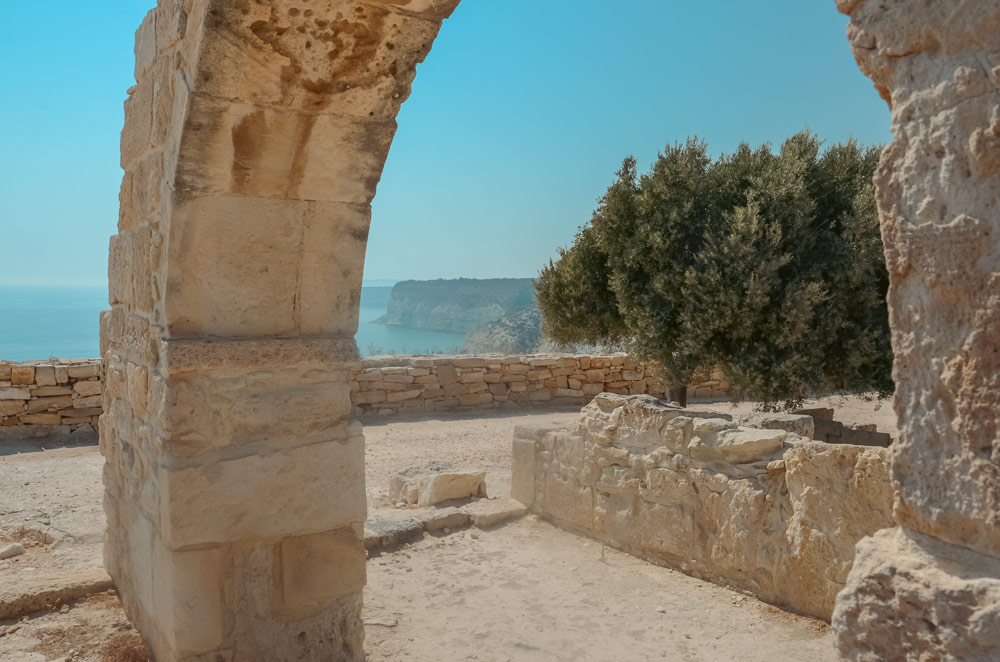
Another UNESCO World Heritage site, Kourion, dates back to the 13th century BC. It was not only a city bus but also a state. Its main and most famous feature is the Greco-Roman theater, used even today.
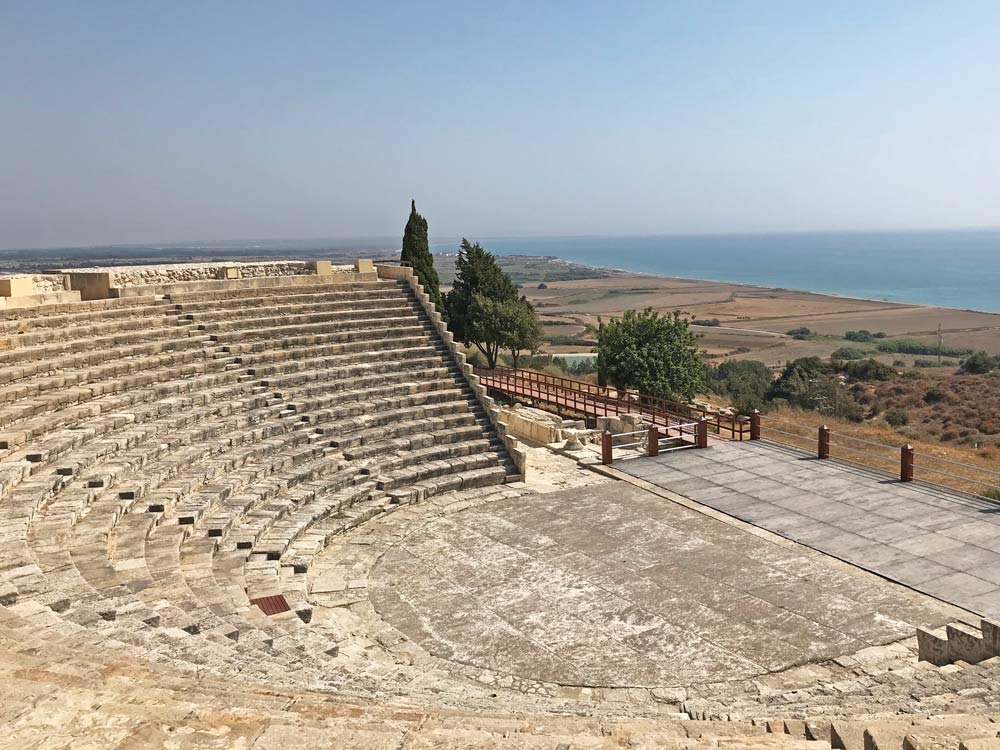
Other spots include Mosaic floors in the House of Eustoliou, Christian Basilica, Episcopal Precinct, House of Achilles (mosaics), and Stadium.
Near Kourion is also the Sanctuary of Apollo Hylates, dedicated to the god of woodland Apollo.
Wine Tours
The primary wine-producing regions near Limassol include Pitsilia, Krasochoria, and Commandaria.
The last one has a rich history dating back to the Crusades. It is primarily known for the production of sweet wines.
Local grape varieties include Xynistery (white) and Maratheftiko (red).
The best way to experience wine routes is to book a tour of vineyards with winetasting. The tours usually take visitors to production facilities to observe the winemaking process. But you can also visit the island when wine festivals happen. For example, there is an annual wine festival in the Limassol. Its history dates back to 1961.
Kolossi Castle
The list of things to do in Limassol and its surroundings continues with this medieval castle built in the 13th century by the Knights of the Order of St. John of Jerusalem.
It is 14 km out of Limassol. Because of its strategic location, people used the castle to oversee the fertile lands and plantations. The castle has a tight link to the Commandaria sweet wine production.
Akrotiri Salt Lake
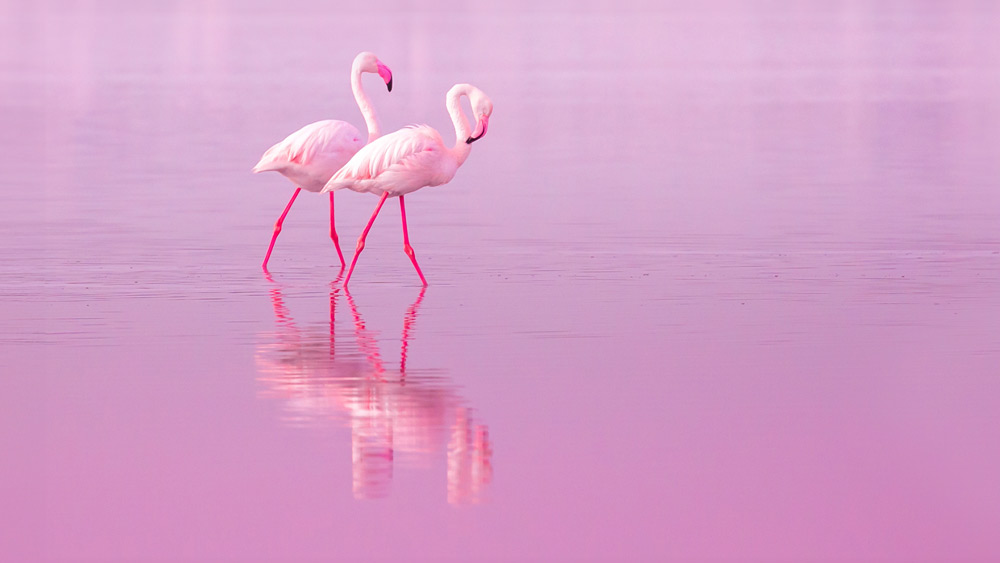
The lake lies on the Akrotiri Peninsula, west of the city. The lake is shallow and typically forms during winter due to rainfall. If you happen to visit the lake in the winter, you can spot many pink colored flamingos there. For them, the lake offers a food source of algae and brine shrimp found in its waters.
Akrotiri Sand Dunes
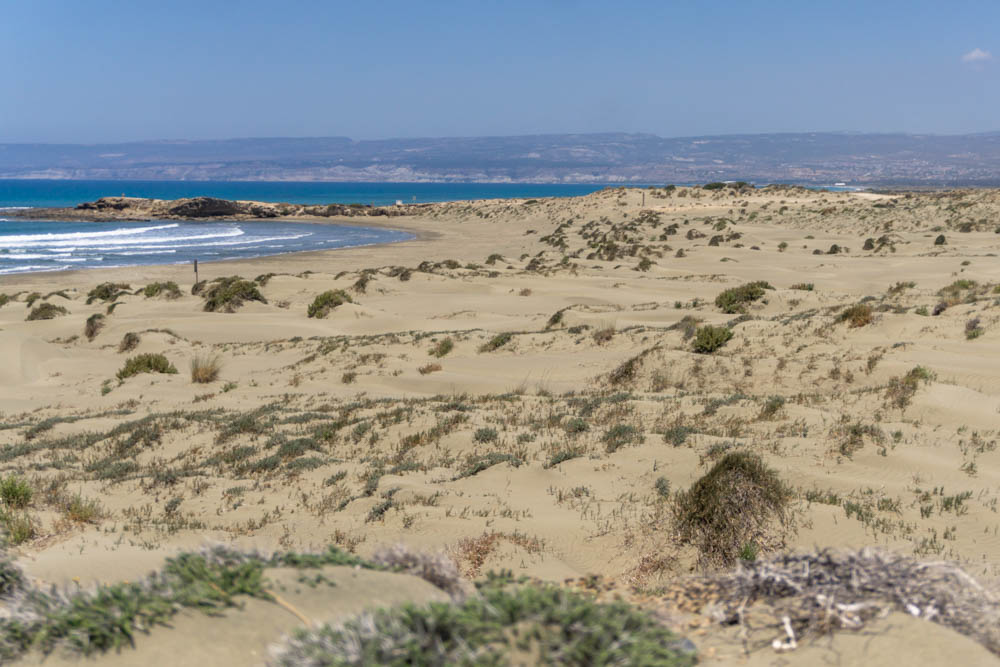
The Akrotiri Peninsula is also home to another unique formation – Akrotiri Sand Dunes that feel worlds away from the busy city. Shaped by wind and time, these golden dunes create a striking landscape. They are a peaceful spot for a walk, photography, watersports such as swimming, surfing, sandboarding, diving, or simply enjoying the contrast of desert-like scenery with the surrounding coastal views.
Troodos Mountains
If you are interested in nature and sports, particularly winter sports, visiting the mountains is a good choice. You will find the highest point in Cyprus, Mount Olympus, there.
The area is also rich in cultural and religious sites, including picturesque villages with Byzantine churches and monasteries, several designated as UNESCO World Heritage sites.
Omodos village
The last activity on this list of things to do in Limassol and nearby is this small winemaking village. It is one of those Troodos Mountains villages known for its architecture, narrow streets, and stone houses.
The village has many wineries where you can taste the local sweet wine Commandaria.
Those who seek religious sites would love the Holy Cross Monastery. Its history dates back to the 12th century. It houses a piece of the Holy Rope, considered a fragment of the True Cross.
Throughout the year, Omodos hosts various cultural events and festivals, including wine festivals celebrating the local vineyards and traditional religious celebrations related to the monastery.