
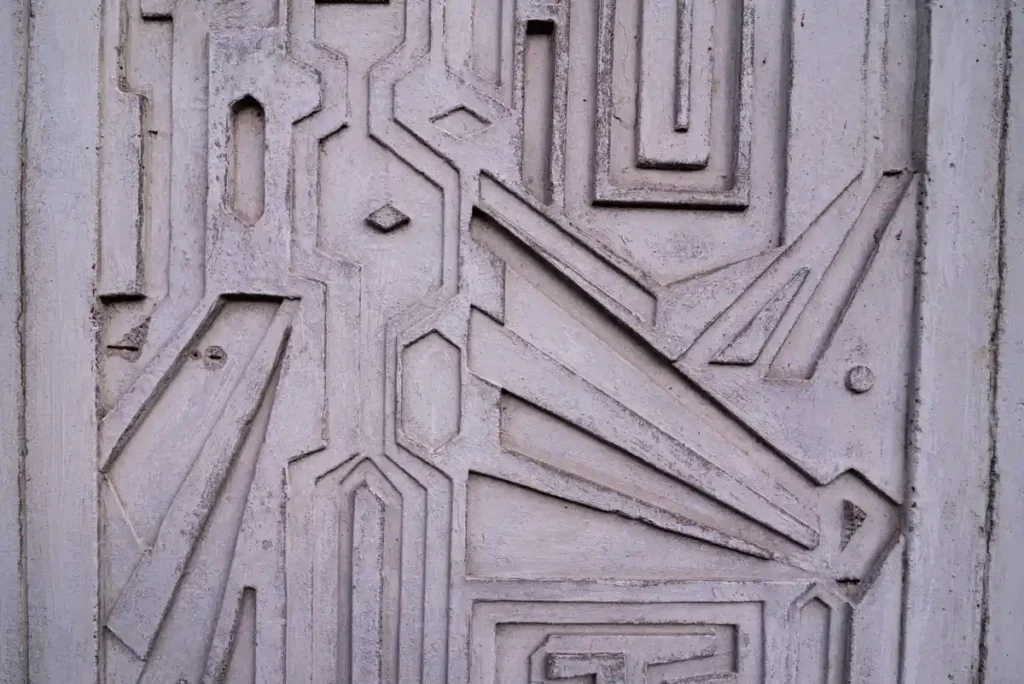
Morning Golden Hour
Warm, soft directional lightEvening Golden Hour
Glow before sunsetMorning Blue Hour
Deep blue skies before sunriseEvening Blue Hour
City lights vs dark blue skyThe right light can completely transform a photo. A historic city street, mountain landscape, or coastal viewpoint can look completely different depending on whether you photograph it at midday, during golden hour, or after sunset.
This online golden hour calculator helps photographers find the best times for capturing beautiful natural light anywhere in the world. Enter your location and date to discover sunrise, sunset, golden hour, and blue hour times before planning your next photography adventure.
Online golden hour calculator can help you spend less time waiting for the best light. You will have more time for creating.
The tool is suitable for many types of photography, including street, architecture, and portraits. It is also useful for travel photography, family memories, drone photography, and content creation. Even outdoor enthusiasts and adventurers can use it to enjoy these magical hours without taking photos.
How to Use This Golden Hour Calculator
Using the calculator is simple. Select your location and the date you want to photograph, and the tool will show the key lighting periods for that day.
The results include:
Civil Dawn and Blue Hour (Morning)
The period before sunrise when the sky starts becoming brighter and cooler tones appear. This is a great time for quiet city photography, empty streets, and landscapes with soft atmospheric light.
Golden Hour (Morning)
The short period after sunrise when sunlight becomes warmer and softer. Shadows are longer, contrast is lower, and subjects often have a beautiful golden glow.
Golden Hour (Evening)
The most popular time for travel photographers. The low angle of the sun creates warm colors, dramatic shadows, and more depth in your images.
Blue Hour (Evening)
The time shortly after sunset when the sky turns deep blue. This is ideal for photographing cities, architecture, and places where you want to capture both natural light and artificial lights.
What Is Golden Hour in Photography?
Golden hour is the period when the sun is close to the horizon and the light becomes softer, warmer, and more flattering.
Unlike harsh midday sunlight, golden hour creates:
- softer shadows
- warmer colors
- better contrast
- more depth in landscapes
- beautiful highlights on buildings and natural textures
For travel photography, golden hour is especially useful because it can make familiar places look more dramatic. A historic building, beach, or mountain viewpoint can have a completely different atmosphere compared to a photo taken under strong afternoon sunlight.
This is why many photographers plan their day around sunrise and sunset rather than simply arriving at a location whenever it is convenient.

Golden Hour vs Blue Hour: What Is the Difference?
Although both happen around sunrise and sunset, golden hour and blue hour create very different moods.
Golden hour has warm orange and yellow tones. It is perfect for:
- landscapes
- portraits
- architecture
- outdoor travel photography
- coastal views
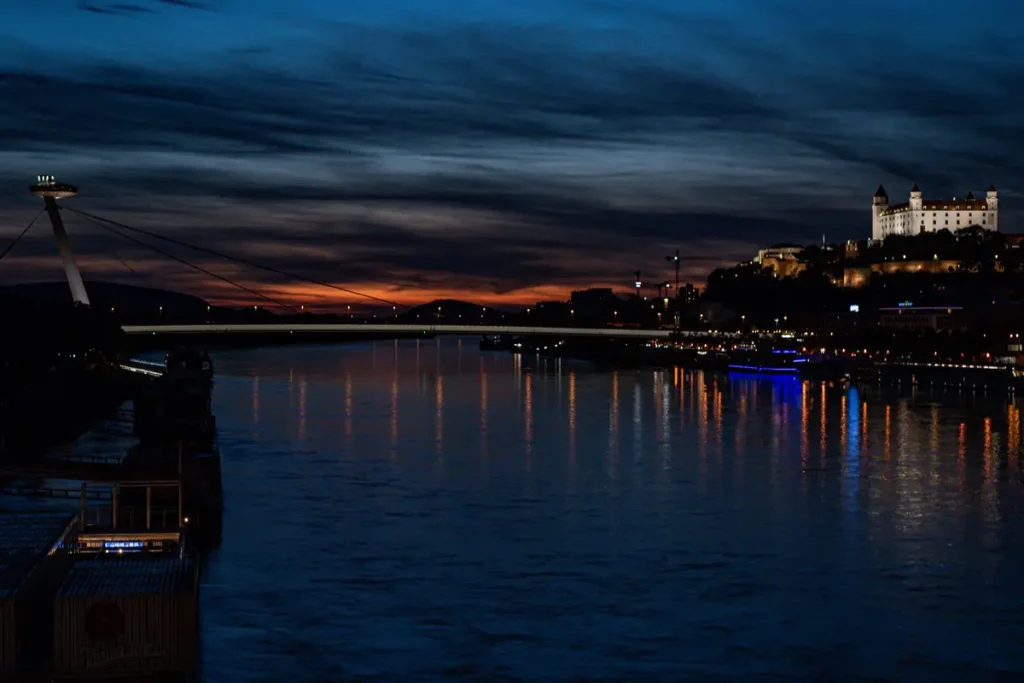
Blue hour happens when the sun is below the horizon but the sky still has remaining light. It creates cooler blue tones and is especially popular for:
- city photography
- night architecture
- bridges and landmarks
- streets with lights turning on
For example, photographing a European city during blue hour allows you to capture both the glowing windows of buildings and the remaining color in the sky.
Why Timing Matters for Travel Photography
When visiting a new destination, you often have limited time. You might only have one evening to photograph a famous viewpoint, landmark, or landscape.
Checking golden hour and blue hour times before your trip helps you plan:
- when to arrive at a location
- how long to stay
- which direction to face your camera
- whether sunrise or sunset will provide better conditions
For example, a viewpoint facing west may be ideal for sunset photography, while a mountain landscape facing east might work better during sunrise.
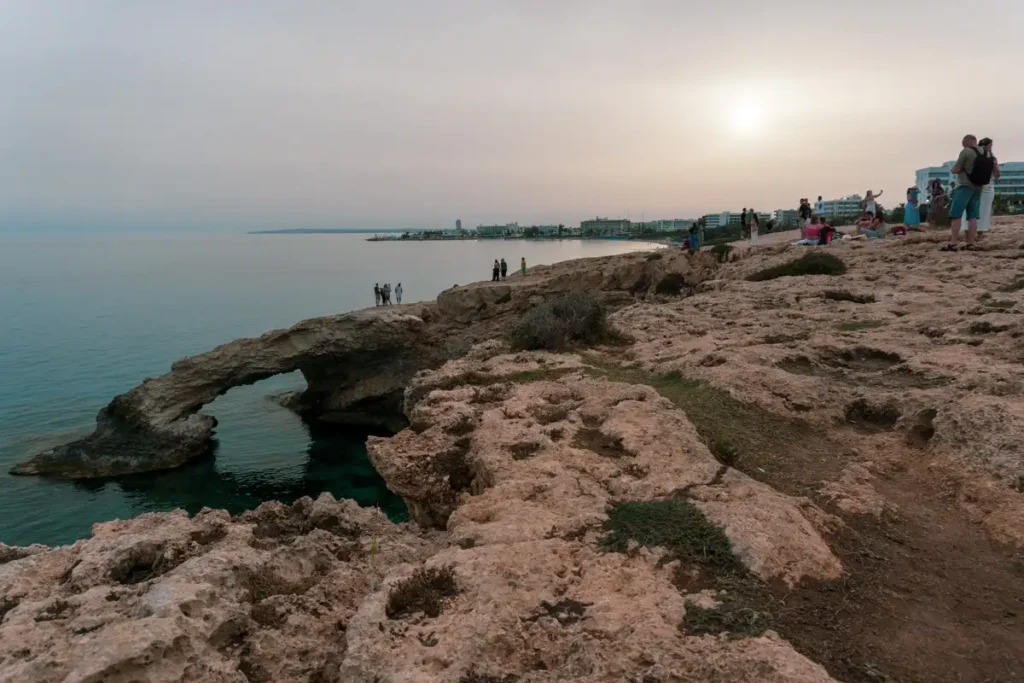
Light also changes depending on the season, weather, and location. Clear skies can create warm golden tones, while clouds or haze can transform a colorful sunset into a softer, more muted and pastel scene. A summer evening in northern Europe can have completely different golden hour times compared to a winter trip in southern Europe.
Tips for Planning Your Golden Hour Photography Session
Arrive early. Popular viewpoints can become crowded, especially around sunset. Arriving 20–30 minutes before golden hour gives you enough time to find the best composition and set up your shot.
Check the weather. A completely clear sky is not always the best option. Clouds, haze, or light mist can catch warm colors and add more depth and atmosphere to your photos.
Research the location before you go. Use tools like Google Maps, Street View, and user-uploaded images to understand the surroundings, viewpoints, and possible photo angles. You can also check local CCTV cameras or YouTube walking videos to see how the place looks in real conditions.
Stay after sunset. Many photographers leave too early, but blue hour often creates some of the most memorable travel images with softer light and a completely different mood.
Frequently Asked Questions
The best time is usually during golden hour and blue hour when natural light is softer and more atmospheric than during midday.
No. Golden hour changes depending on your location, season, and date. This is why using a calculator before a photography trip is helpful.
Yes. Blue hour is one of the best times for photographing cities because it balances the remaining daylight with artificial lights from buildings and streets.
Both can provide beautiful light. Sunrise usually has fewer people and cleaner conditions, while sunset is often easier to plan during travel days.
An online golden hour calculator helps you find the best times for sunrise, sunset, golden hour, and blue hour at your destination. It allows you to plan photo sessions, viewpoints, and outdoor experiences before you arrive.