
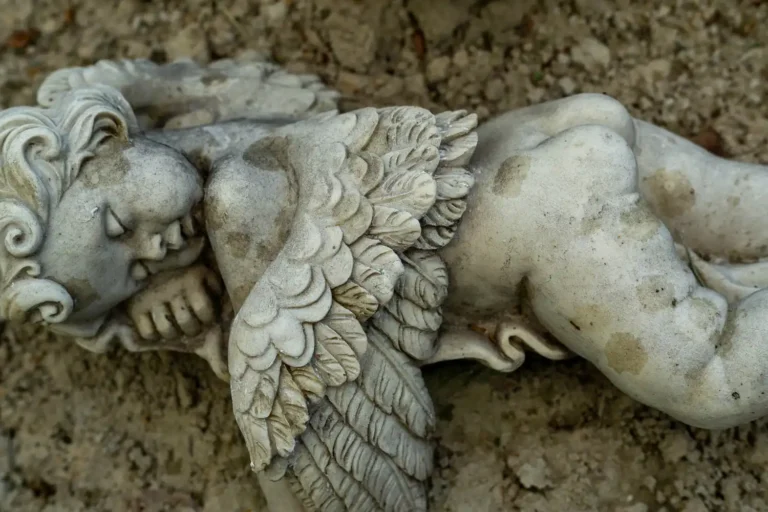
Cemeteries are usually quiet places where time can feel as if it moves differently. The light, shadows, and textures of stone can open a kind of passage into a different mental space. They can be visually striking, creating subtle and sometimes unexpected juxtapositions.
People are drawn to cemeteries for many reasons. Some want to capture the memory of a place, to document it as an archive of time. Others see them as open-air galleries filled with sculptures and architecture. In some cases, this overlaps with forms of cemetery tourism, where cemeteries are approached as destinations rather than subjects of observation. For some, they are places where the living meets the dead.
But not everything that is visually striking is appropriate to photograph. The line between observation and intrusion can be thin. Where exactly is that line?
This is where cemetery photography etiquette becomes essential. It is not only about aesthetics or technique, but about awareness and respect. Understanding what is appropriate, what should be avoided, and how to approach these spaces with sensitivity is key.
Why We Photograph Cemeteries
If you bring a camera into a cemetery with the intention of photographing rather than simply visiting as a tourist, certain visual and conceptual opportunities naturally emerge.
Light, texture, and composition opportunities
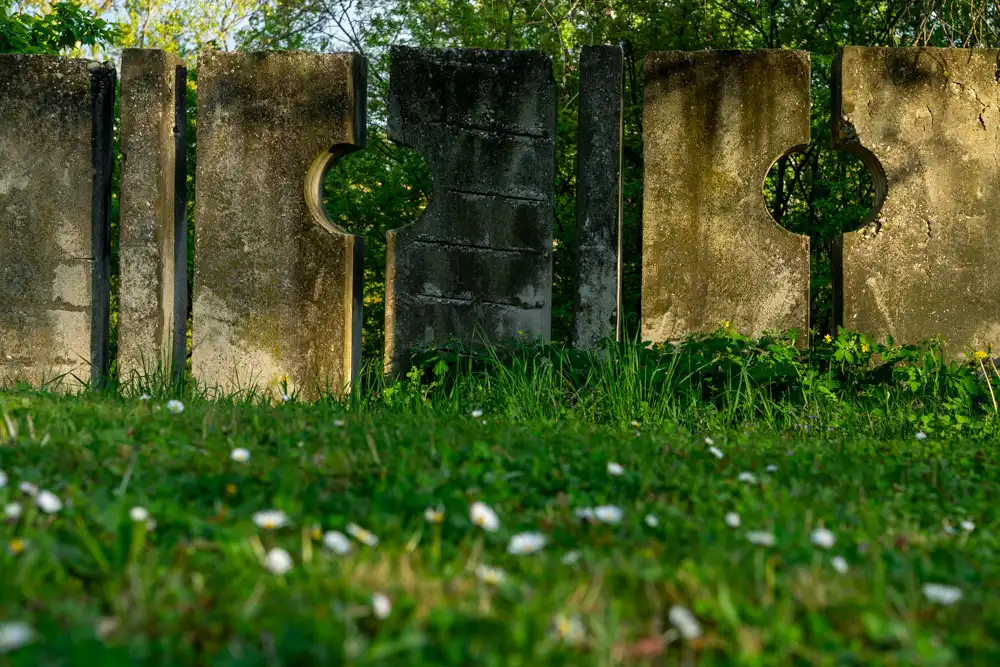
Symmetry, repetition, and negative space often play a significant role, especially in larger cemeteries designed by architects or landscape designers. These spaces combine materials in different stages of decay and preservation.
Texture becomes a way of reading time — moss, weathered marble, cracks in stone, overgrown grass, and surrounding trees all reflect gradual transformation.
At the same time, cemeteries offer a wide spectrum of light conditions: from soft diffused light to harsh contrasts across stone surfaces, chapels, crypts, and fences.
Visual storytelling
Photography here is less about documentation of a place and more about atmosphere. A narrative can be built through stillness, absence, and suggestion — capturing presence without needing to show people directly.
Documenting gravestones instead of the place you visited
A cemetery is not approached as a destination or attraction, but as a field of individual subjects. Gravestones become visual and historical objects, carrying names, dates, and inscriptions that function as fragments of memory.
This approach shifts the focus away from the location itself and toward observation. However, in some cases, specific places can still offer a strong visual and architectural context — as seen in locations like the Crematorium Bratislava, where space, structure, and atmosphere naturally influence the photographic process.
Photography as an observation tool
The camera becomes a way of slowing down perception. Framing encourages attention to detail, revealing elements that are often overlooked or passed by without notice.
Silence and absence as visual elements
Emptiness can become a compositional element in itself. The absence of people enhances the atmosphere, while negative space carries emotional weight. Stillness is not empty — it becomes a subject.
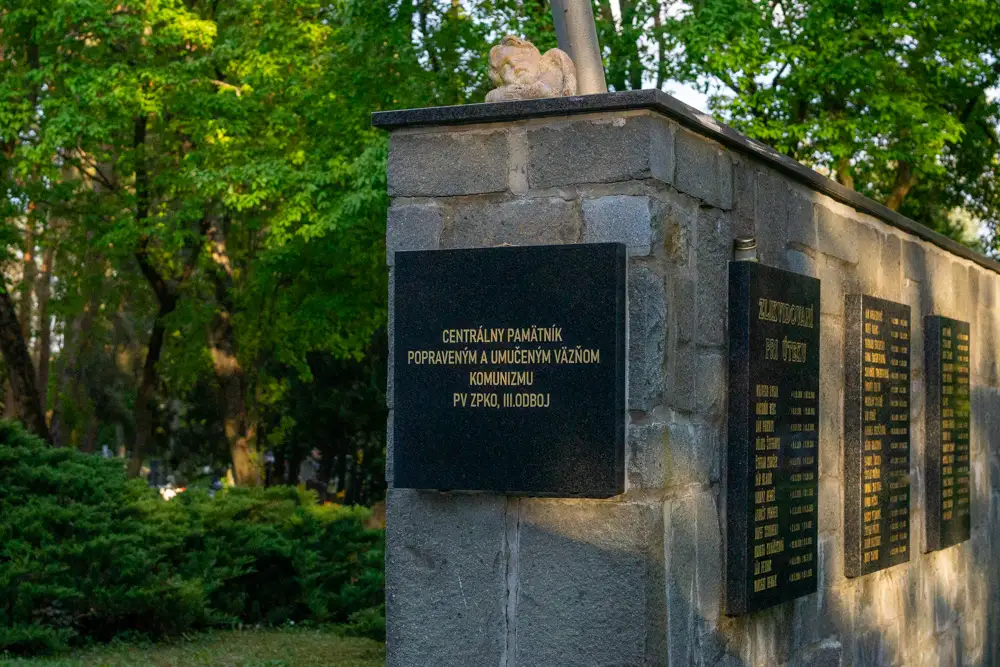
The Line Between Documentation and Intrusion
Your intention matters more than the subject itself. There is a clear difference between photographing grief and photographing space. The presence of a camera can change the entire situation.
You may have visual intentions, but respect for people should always come first. There is a thin line between recording reality and extracting imagery from it.
A photographer is primarily an observer, not a participant — unless the work is intentionally focused on portraiture or consent-based interaction.
So how should one actually behave in practice?
Basic Rules Every Photographer Should Know
Cemetery photography etiquette is especially important when photographing sensitive subjects such as people, graves, and personal spaces.
In case you don’t have explicit permission to shoot other people or graves with names and pictures, you should follow these rules:
- Do not photograph funerals without permission
- Avoid photographing grieving people
- Be discreet (no staging, no directing scenes)
- Keep distance from private graves or personal items
- Do not touch or move objects
- Avoid flash (especially in sensitive spaces)
- Be aware of your presence (noise, behavior, positioning)
When in doubt, always ask before taking a photo. Prioritize consent when photographing identifiable people or personal graves. Although cemeteries are open spaces, emotional moments remain private. Public access does not equal permission to document everything.
Do not treat a cemetery as a staged photography location, and avoid staging or manipulating the environment. Some moments may not be appropriate for photography — observe first, shoot second.
Keep in mind that some cemeteries may follow different cultural rules or expectations. Always respect local customs and signage. Avoid drawing attention to your presence or turning yourself into the main subject.
These guidelines are not about limiting creativity, but about understanding the responsibility that comes with photographing sensitive spaces.
Cultural Sensitivity and Unspoken Rules
Understanding cultural differences is a key part of cemetery photography etiquette. Before you even raise a camera, you should understand that cemeteries are not unified or universal spaces. They carry different meanings across cultures. Some are public, others are semi-sacred or strictly private. Because of this, behavioral expectations vary significantly.
Cemeteries are filled with symbols — crosses, candles, offerings, photographs, and graves. In some cultures, these elements are sacred, not merely decorative. Misunderstanding them can lead to ethical mistakes.
Some rules are not written, but many people understand that when visiting a cemetery, silence and minimal noise are expected. Quiet presence and awareness are ways of showing respect. You can observe how locals behave (if there are any present) and follow the tone of the space. Adapt your approach instead of imposing your photography style, and avoid aestheticizing sacred or emotional rituals.
Never assume permission just because there are no signs. For example, do not interact with graves unless it is clearly acceptable.
Legal vs Ethical: What Is Actually Allowed?
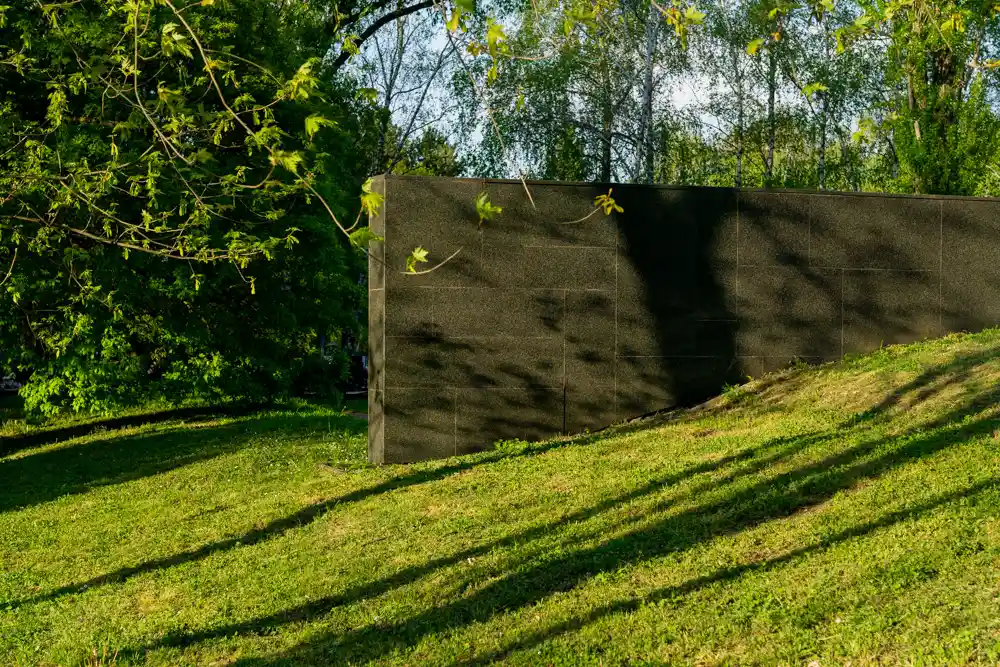
Cemeteries are often legally accessible public spaces, but legality does not define appropriateness. Just because you can photograph something, does it mean you should?
Cemetery photography etiquette often goes beyond what is legally allowed. Ethical behavior usually goes beyond written rules. Different countries and cultures have different approaches to cemetery photography. Some may allow photography freely, while others may restrict photographing funerals or private graves. Before your visit, check local regulations or, if possible, observe or ask locals what is acceptable.
Sometimes you may enter a legal grey zone. Certain situations are not clearly regulated, and you will need to make your own judgment. In the end, responsibility lies with the observer.
A Different Way of Seeing
A cemetery is not only a place to photograph, but a space that changes how you see. Photography here is less about capturing and more about perceiving — slowing down, observing, and becoming aware of what is already present. Instead of thinking in terms of what to shoot, the focus shifts toward what is actually being seen.
Minor White once described photography as a way of seeing that goes beyond the literal subject — a form of perception that asks the photographer to look deeper rather than simply look at something. This idea resonates strongly in spaces like cemeteries, where meaning is often subtle, quiet, and layered.
“One should not only see the thing for what it is, but for what else it is.” — Minor White
White was a co-founder of Aperture magazine and a deeply spiritual figure in the art world. He didn’t just want people to look at a photo of a frozen windowpane or a weathered rock; he wanted them to experience what those things felt like.
White’s approach was influenced by Alfred Stieglitz’s concept of the “Equivalent.” The idea is that a photograph functions as a metaphor. White famously believed that a photographer should be “receptive” rather than just “selective.” He often used the phrase “spirituality in photography” to describe how a camera could capture the invisible through the visible.
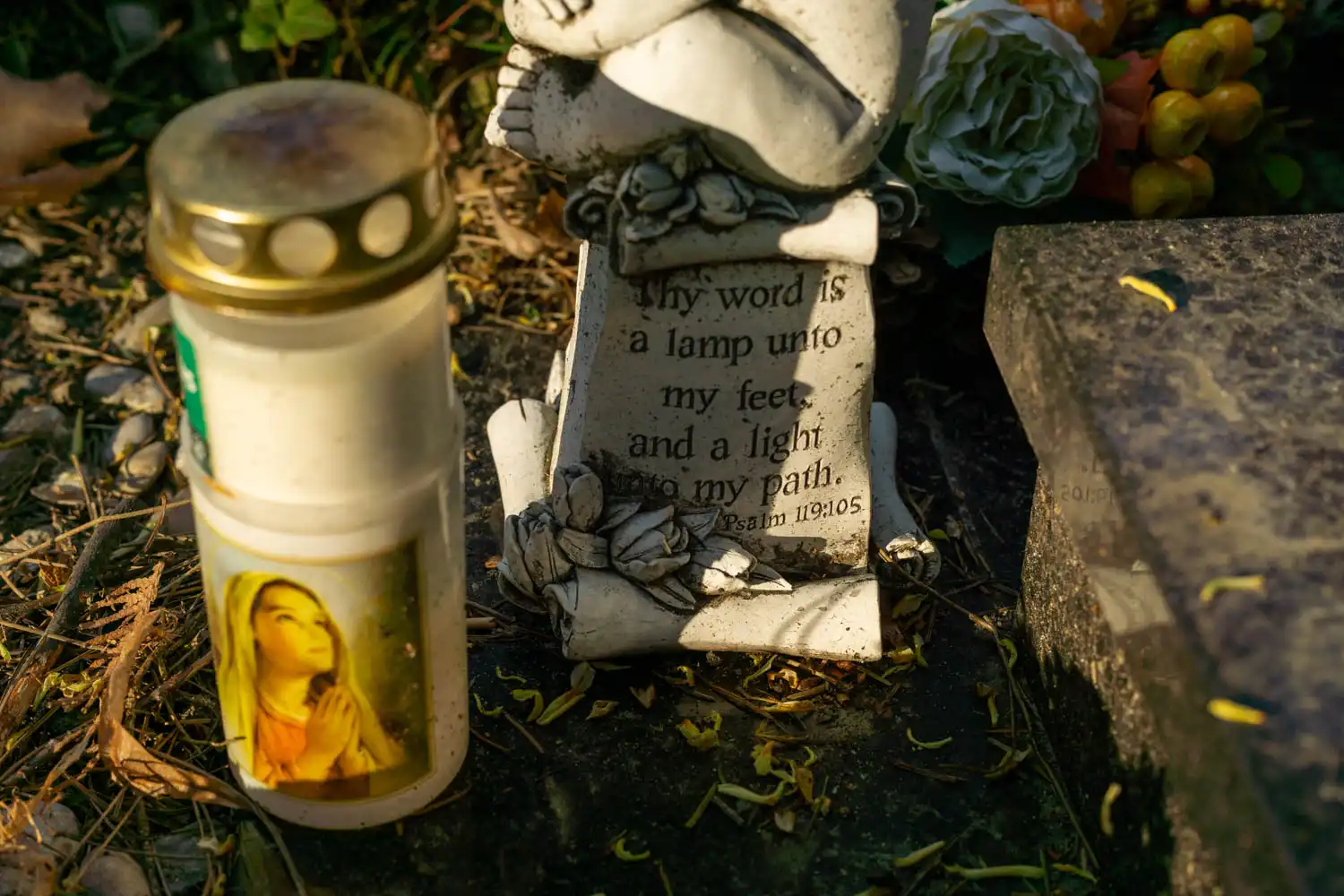
Common Mistakes to Avoid
Even with the best intentions, it is easy to make mistakes when photographing cemeteries. Many of these mistakes come from ignoring basic cemetery photography etiquette – focusing too much on the image itself and not enough on the context in which it is created. Awareness of these common pitfalls can help you approach these spaces with more sensitivity and respect.
- treating cemeteries as aesthetic “sets” or backdrops rather than meaningful spaces
- photographing funerals or grieving people without consent
- focusing only on dramatic or “dark” aesthetics while ignoring context
- ignoring cultural meaning, symbols, or local expectations
- over-editing images into unrealistic or overly stylized moods
- not observing the environment before shooting
- rushing through the space instead of slowing down and paying attention
- assuming that everything visually interesting is automatically appropriate to photograph
- drawing attention to yourself and disrupting the atmosphere
- treating the cemetery as content for social media rather than a sensitive environment
- ignoring the presence of people who may be mourning nearby
- photographing without a clear intention or awareness of purpose
- over-romanticizing decay and reduce the space to visual clichés
- getting too close to graves or interacting with personal objects without consideration
Many of these mistakes come from prioritizing the image over the environment. A photograph should never come at the cost of respect.
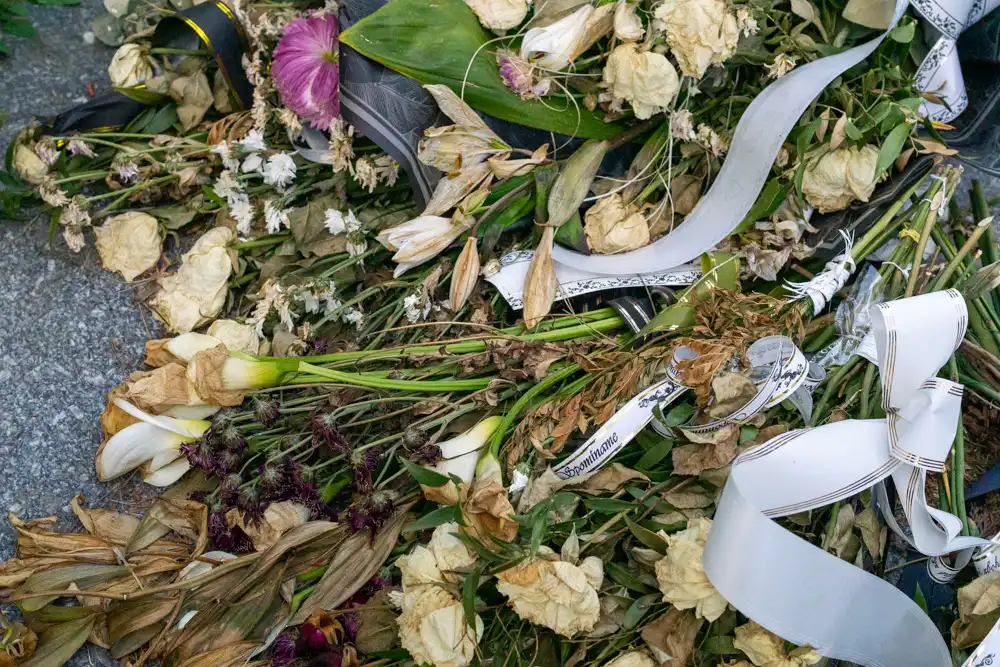
Photographing With Respect
Photography is not just a technical tool, but a medium that carries responsibility — especially in sensitive environments like cemeteries. Your intention matters more than the final result. Respect for the environment should guide your decisions.
Awareness should be a more important priority than aesthetics. Images carry context and weight, and what you choose to show matters.
In places like this, photography becomes less about taking and more about noticing.
Ultimately, cemetery photography etiquette is about knowing when not to take the shot.

Sources:
- Minor White – writings on photographic perception and “equivalence” in photography
- Stieglitz, Alfred – theory of the photographic “Equivalent”
- General photography ethics guidelines in documentary and street photography practice
- Cultural and institutional cemetery regulations (vary by country and location)
Sources: