
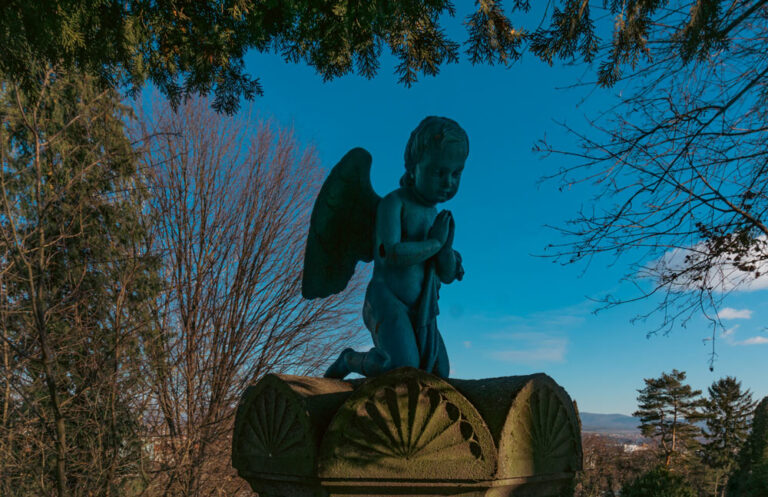
Cemetery tourism, tombstone tourism, and terms such as grave hunter, graver, or taphophile describe people who enjoy visiting cemeteries, often searching for the graves of famous individuals. For many visitors, however, the fascination goes beyond notable burials. A passion for art, architecture, epitaphs, or even gravestone rubbings can play a big role in these activities.
Many people traditionally see cemeteries as places of mourning and remembrance, but others view them as spaces for learning, history, and exploration. Before taking photos during these visits, it’s important to understand cemetery photography etiquette to ensure respect for both the space and those connected to it.
Most cemetery tourism focuses on historic urban burial sites. However, some travelers are drawn to monumental ancient tombs, such as the Great Pyramid of Giza. Such places reveal early burial practices, religious beliefs, and the impressive architecture of ancient civilizations.
The reasons for visiting such places can be surprisingly diverse. While cemeteries may seem like unusual tourist destinations, they offer much more than quiet resting places. Here are seven reasons why people visit historic cemeteries today.
Historical, Religious, and Cultural Significance
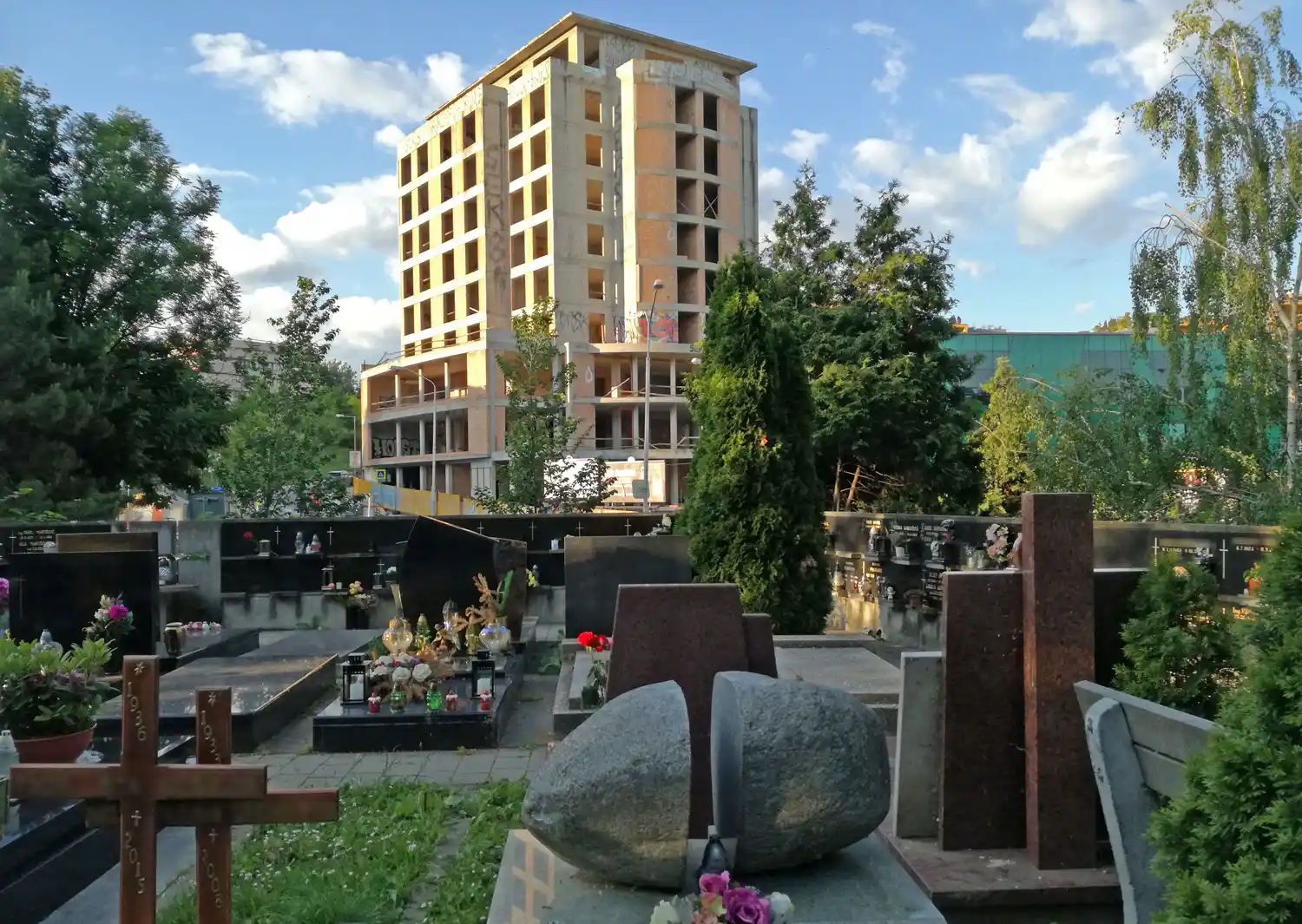
Many historic cemeteries receive protection as designated heritage sites. They play an important role in local identity and collective memory. For many local people, cemeteries offer information about their relatives and past generations. Dates, family connections, images, and even professions or social status are often engraved on gravestones. For historians, these sites offer valuable insights into the lives, cultures, and social structures of communities that inhabited specific regions throughout different periods of history.
From a tourism perspective, many visitors are drawn to cemeteries to see the graves of famous writers, artists, politicians, or scientists. People often travel long distances to connect with the life and legacy of a particular historical figure. As a result, many of these cemeteries have become important cultural landmarks where local guides offer guided cemetery tours.
Pilgrimages to burial sites
Looking back, especially during medieval times, this type of travel was quite common. Pilgrimages to burial sites were very popular. Many of them were connected to religious icons and leaders, and churches or religious representatives often encouraged such journeys. One of the main reasons was religious belief. Some people believed that if they visited and prayed at such a site a certain number of times, their sins could be forgiven, increasing their chances of entering heaven after death.
Some important pilgrimage destinations were in the UK. For example, the tomb of Thomas Becket at Canterbury Cathedral, as well as Glastonbury, St. Albans, and Bromholm. Pilgrimage sites also existed in other regions. For example, in Palestine, pilgrims could visit a cave that was believed to contain the burial places of Adam and Eve.
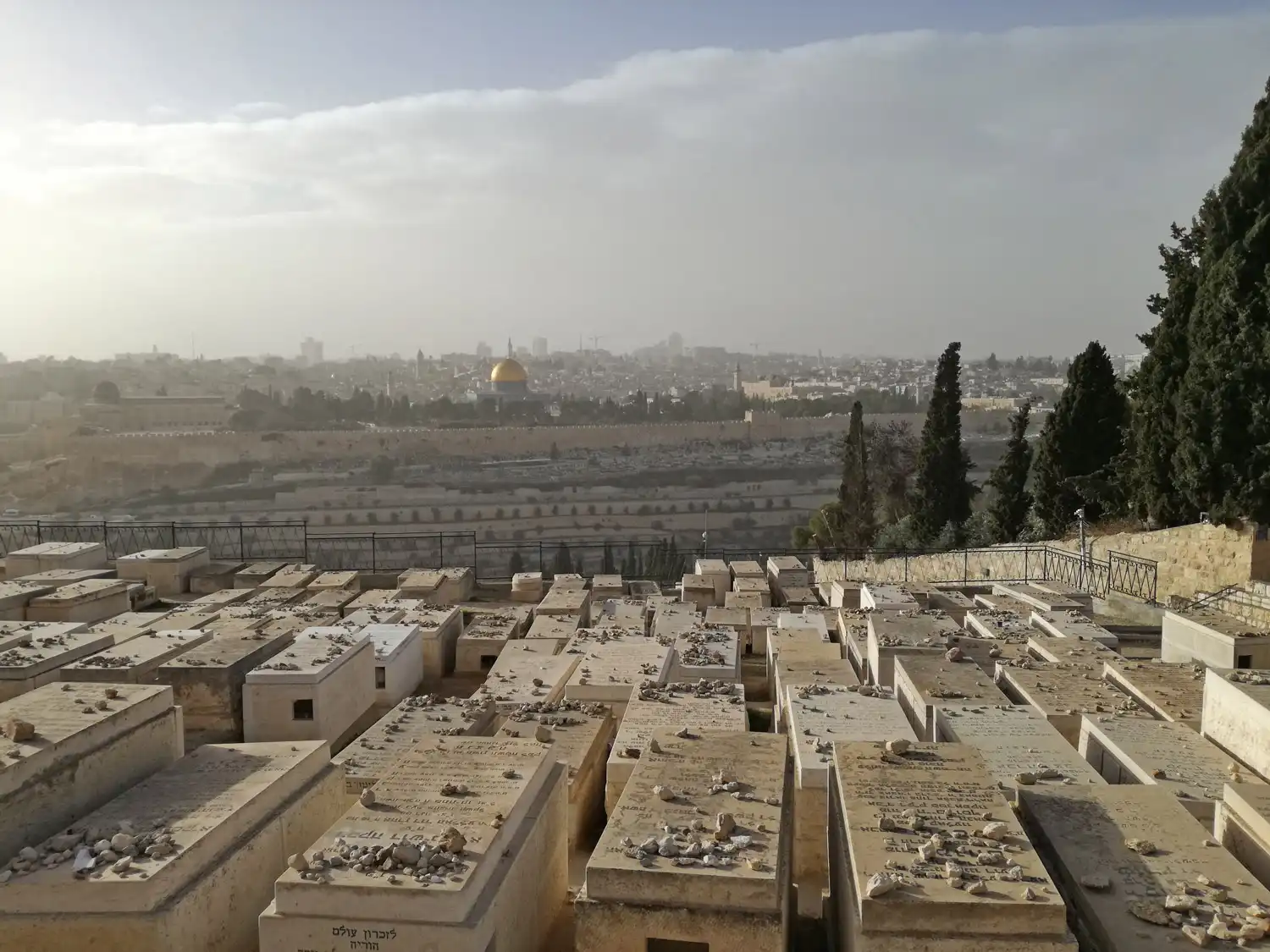
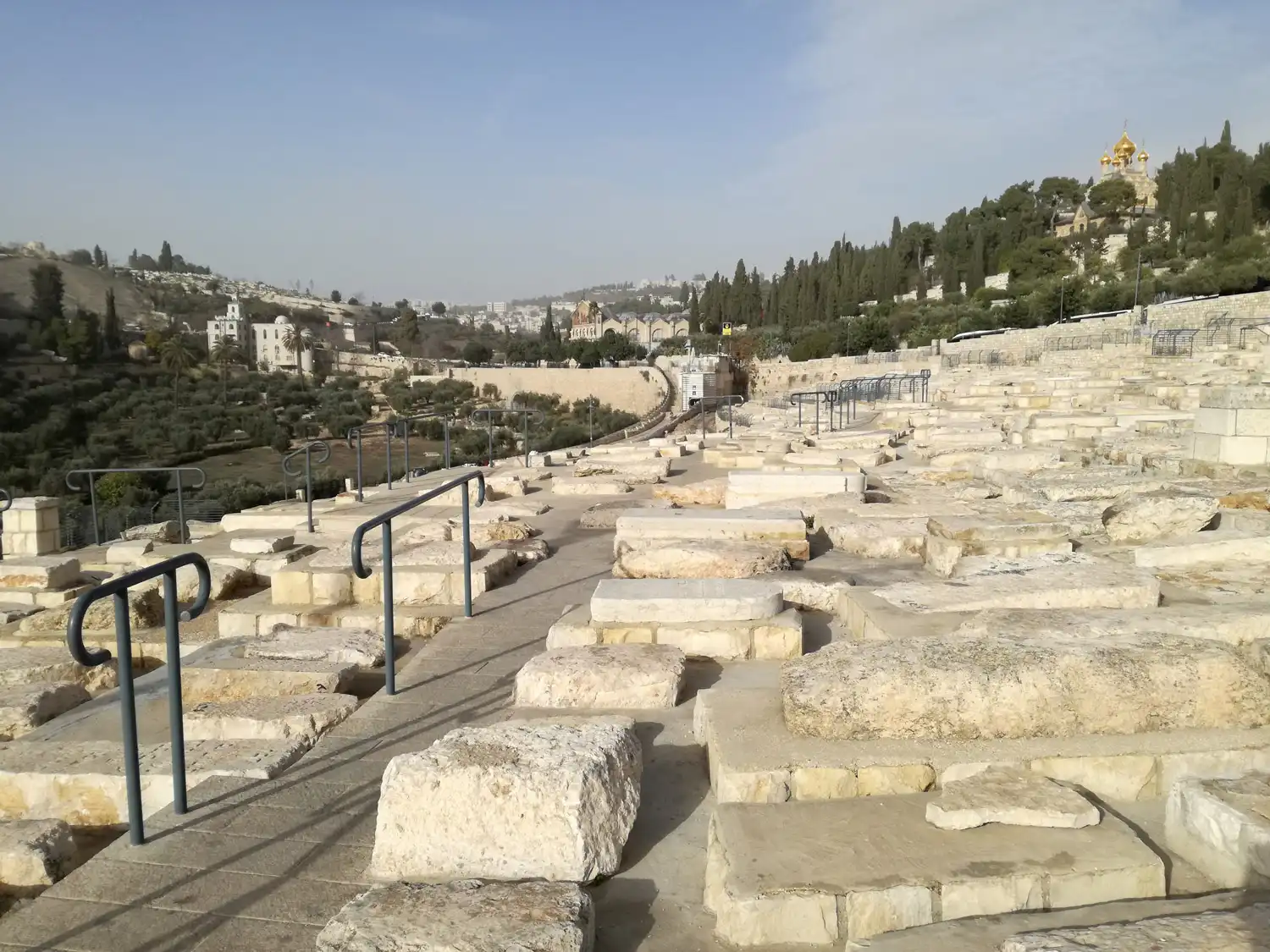
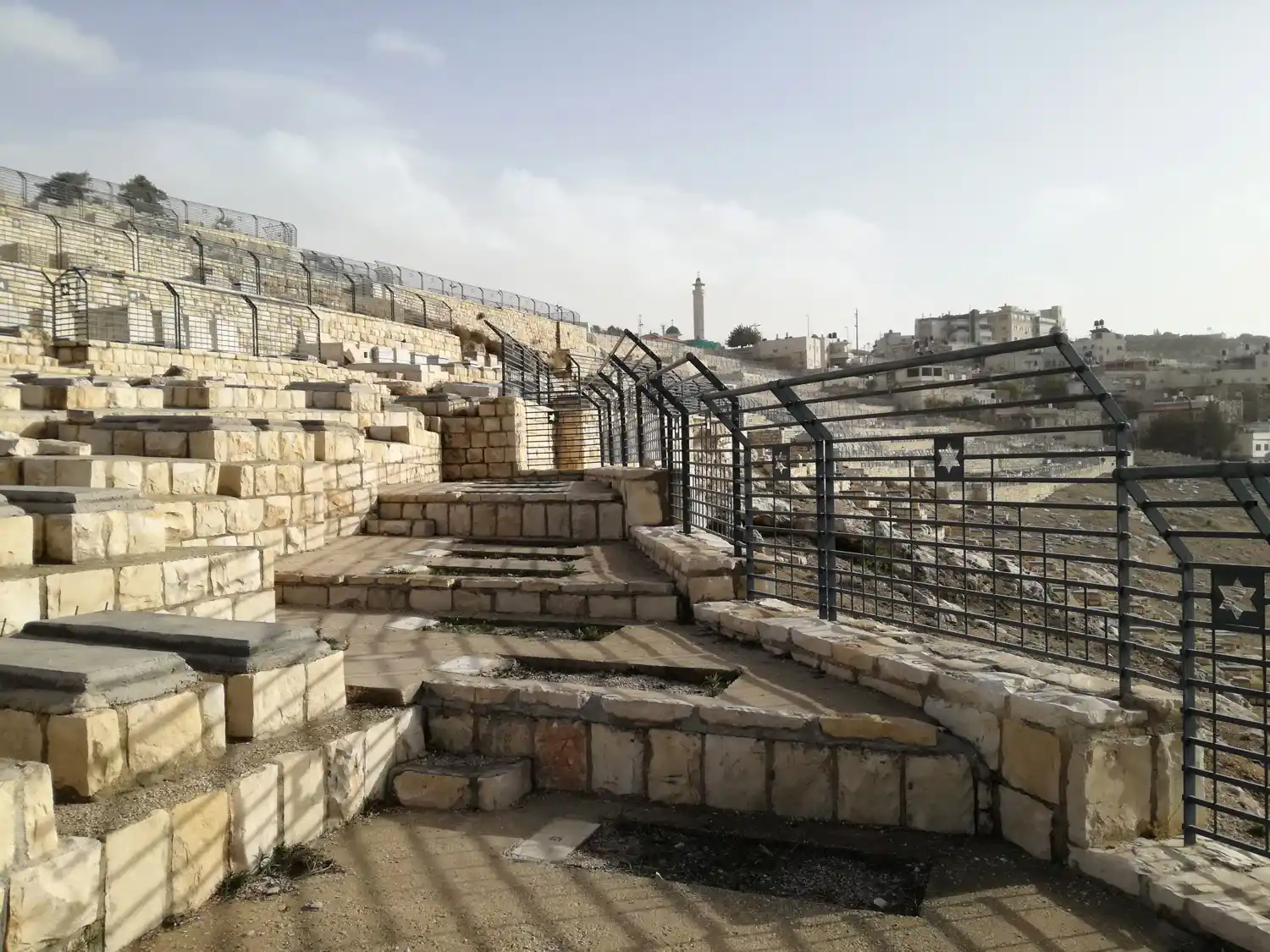
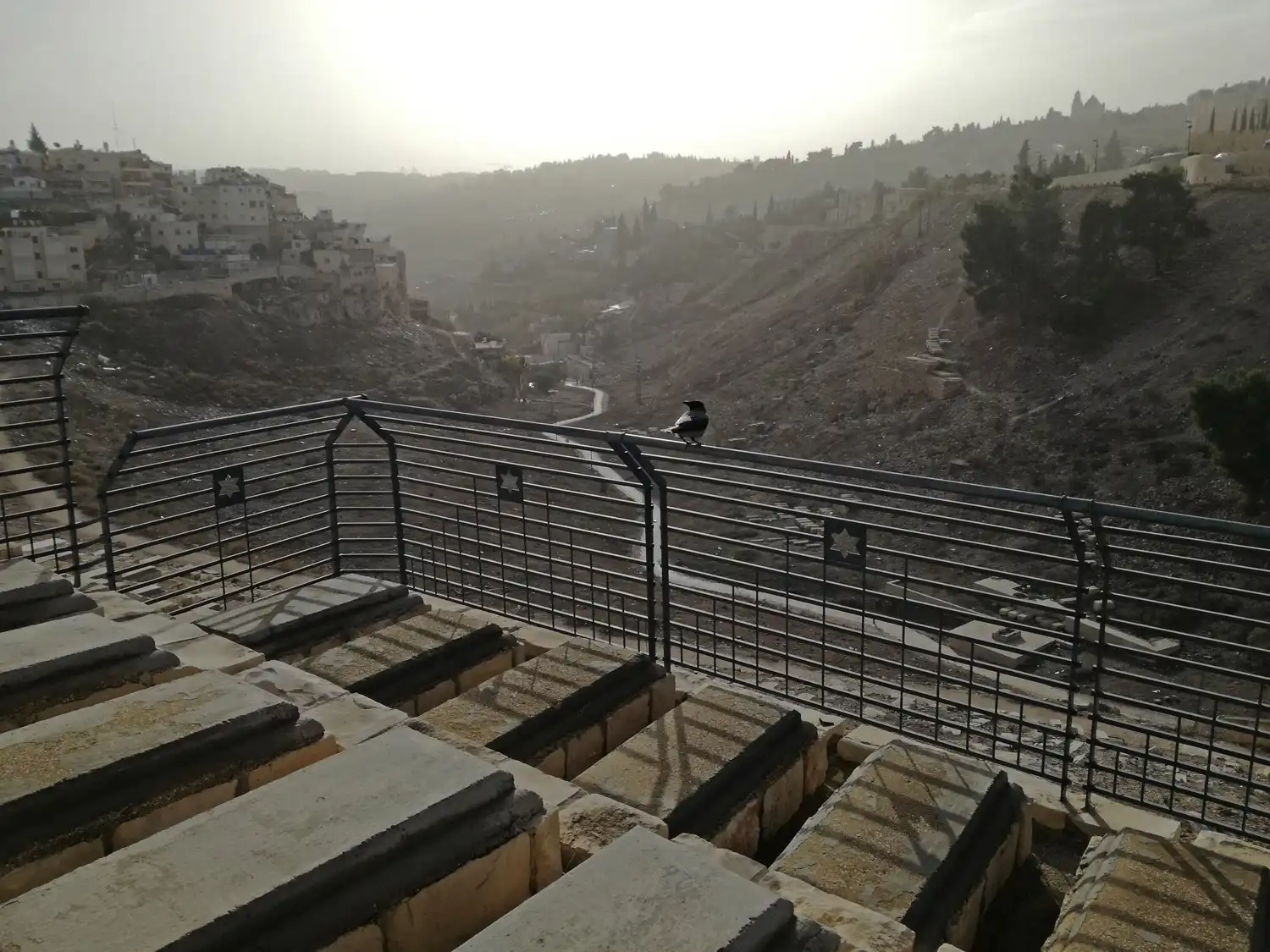
Another globally significant site is the Mount of Olives Cemetery in Jerusalem. The cemetery ranks among the oldest and most important Jewish burial sites in the world. It has been in use for over 3,000 years and holds thousands of graves, including those of prominent religious figures. Pilgrims and tourists alike visit this cemetery for its deep historical, cultural, and spiritual significance.
Besides being the final resting place for many religious leaders, it is also home to more controversial figures, such as Robert Maxwell. Maxwell, the British media tycoon, is now buried on the Mount of Olives. His life and death have long been surrounded by speculation. Some rumours suggest possible connections with intelligence agencies such as British intelligence (MI6), the Soviet KGB, and the Israeli Mossad.
Many of these pilgrimages were quite dangerous, so people often traveled in groups. Wealthier individuals sometimes chose to hire others to undertake the pilgrimage on their behalf.
Artistic and Architectural Appeal
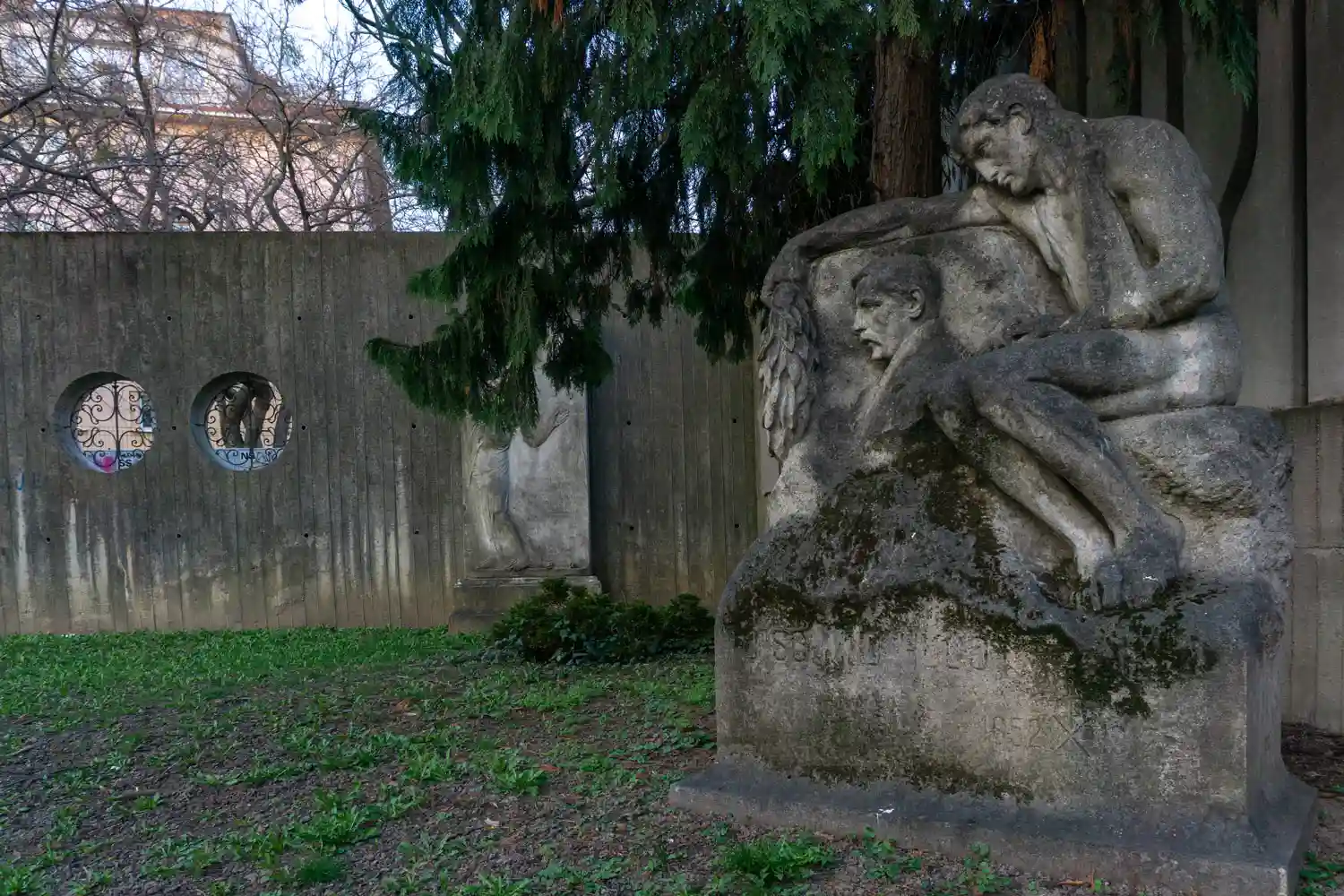
Looking only for the graves of famous people is often not the main reason why many people become interested in cemetery tourism. Cemeteries can also be viewed as large (or sometimes smaller) open-air museums or galleries. Visitors can admire the craftsmanship found in small temples, chapels, mausoleums, statues, sculptures, and gravestones.
While walking around, visitors can observe and learn about a variety of architectural styles, including Gothic, Neoclassical, Victorian, and Baroque.
Visitors may also become interested in the symbolism found on many gravestones. These symbols often contain deeper meanings. For example:
- angels → protection or guidance to the afterlife
- broken columns → a life cut short
- ivy → eternity or remembrance
- skulls or hourglasses → the passage of time
The combination of unique atmosphere, dramatic lighting, and historic architecture makes cemeteries ideal settings for photography.
Genealogy and Personal Connection
Beyond the glam and glitter of cemetery artworks still stands the idea that cemeteries are places for discovering family history. For example, when you have ancestors from another country, it can sometimes be very useful to try to find that exact cemetery with their tomb. But it might not be as easy as it seems. Speaking from the experience of my relatives who tried to find out the grave of my great-great-grandfather in a small village near Zagreb.
Gravestones can reveal not only birth and death dates, but also family relationships, sometimes even personal messages. For some travelers, cemetery tourism can be a way to connect with their own ancestry or family heritage.
Paranormal and Mystical Attraction
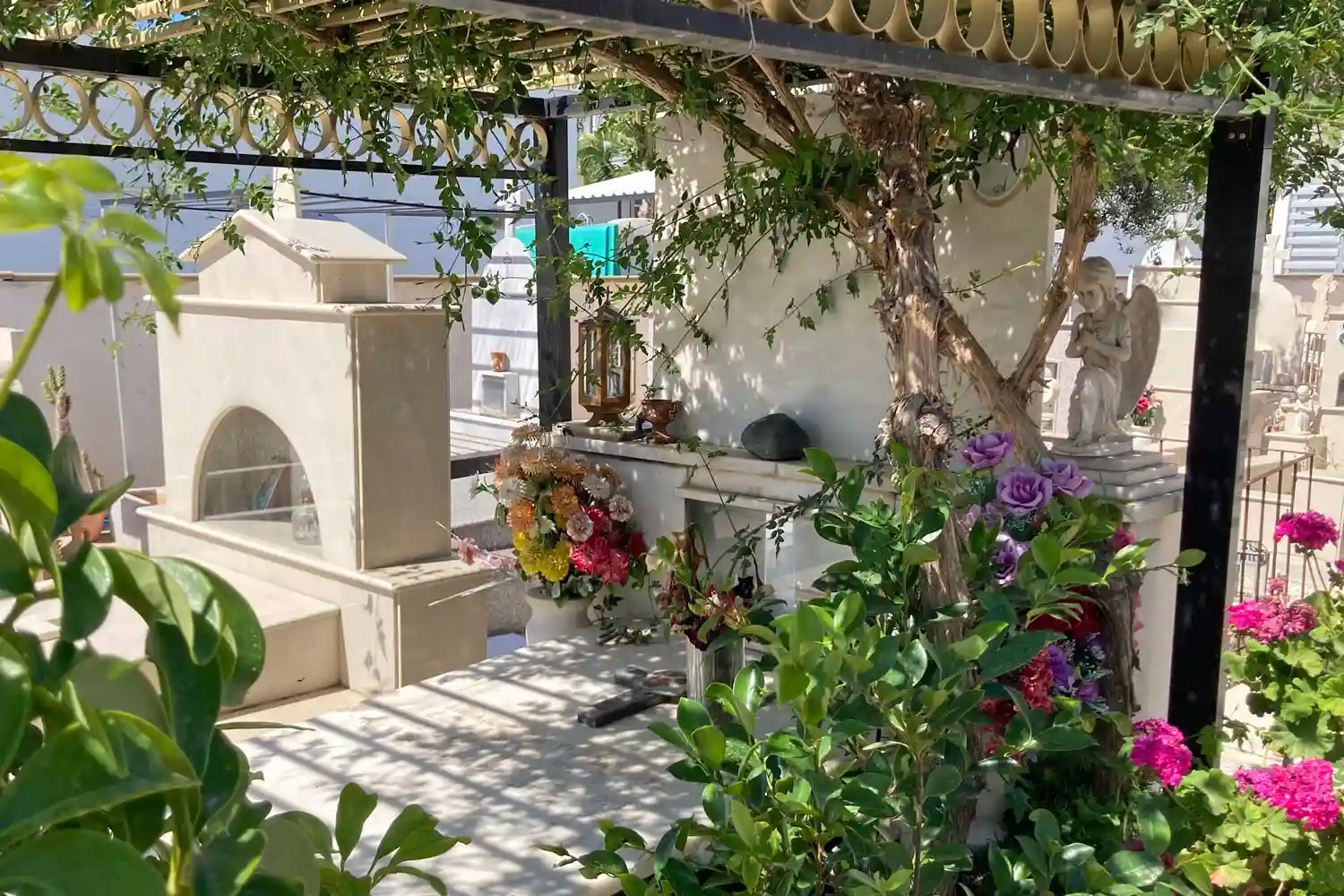
Stories about ghosts, spirits, or unexplained events often surround some burial places. Certain people are drawn to the paranormal and, out of curiosity, want to experience such phenomena. In the country where I am from, Slovakia, many of these stories are often associated with old castles or their ruins.
In the case of cemeteries, one of the most famous examples is Highgate Cemetery in London. The cemetery gained fame for the legend of the “Highgate Vampire,” which originated in the 1970s. Some people have reported seeing a dark figure or other unexplained sightings. Another example is Greyfriars Kirkyard in Edinburgh, Scotland. This cemetery is famous for the Mackenzie Poltergeist, which is said to haunt the area around the tomb of George Mackenzie.
Another well-known example is the famous Père Lachaise Cemetery in Paris. Some visitors claim to have experienced strange feelings or witnessed paranormal activity near certain old tombs or secluded paths.
Haunted cemeteries and burial sites linked to voodoo traditions draw visitors in U.S. cities such as New Orleans and parts of Illinois. One of the most famous figures associated with these stories is the voodoo queen Marie Laveau. Local guides often offer ghost tours that include visits to such locations.
Educational and Guided Tours
As mentioned earlier, cemetery tourism is also about learning and discovery. Many large cities with major cemeteries offer guided tours for visitors. Schools, historians, and cultural organizations sometimes use cemeteries as open-air classrooms. This allows people to explore the past more engagingly.
For example, Vienna and its Central Cemetery offer guided tours. Information about these tours is available on the official cemetery website, but they can also be booked through other platforms. Tours take visitors to the graves of famous figures, including Beethoven, Johann Strauss, and Falco, and typically last around two hours. They also include a visit to the impressive church of St. Karl Borromäus, along with fascinating stories and curiosities about this unique site.
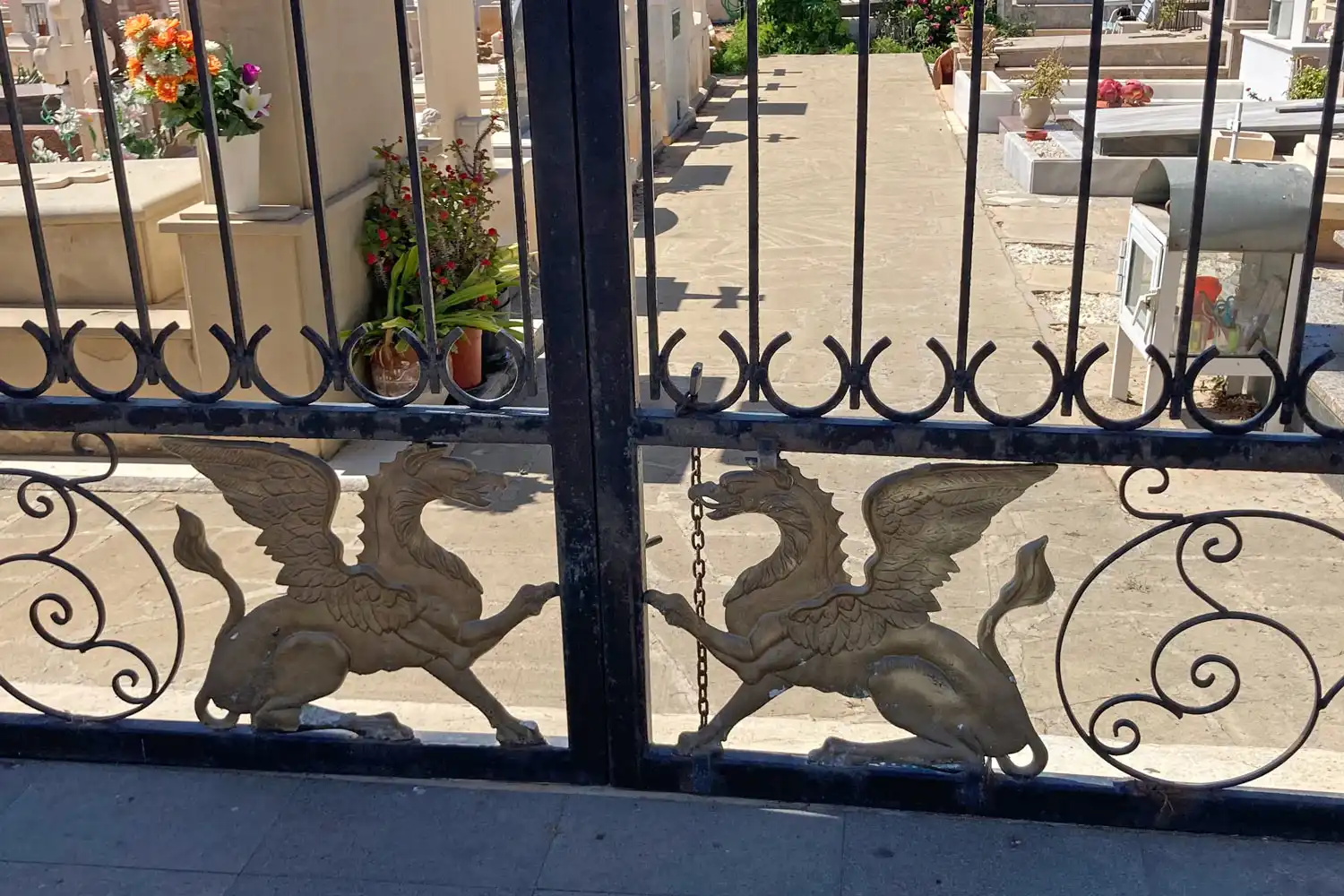
Tourism Industry and Preservation
Cemetery tourism can also contribute to the preservation of historic burial sites. It often encourages local communities and authorities to invest in protection and maintenance. Paid guided tours, entrance fees, and cultural events can help fund restoration projects and conservation efforts. At the same time, responsible tourism is essential to ensure that these places remain respectful spaces for remembrance while still allowing visitors to explore their historical and cultural value.
Responsible cemetery tourism
For example, Highgate Cemetery in London charges entrance fees and organizes guided tours, with the revenue supporting restoration work and the preservation of historic monuments.
The Vienna Central Cemetery not only offers official guided tours but also hosts cultural events such as concerts at the cemetery church. These activities help promote the cemetery as a cultural site and provide funding for the maintenance of historic graves and monuments.
In the United States, Green-Wood Cemetery in Brooklyn, New York—the final resting place of figures such as Jean-Michel Basquiat, Leonard Bernstein, and Horace Greeley. It is one of the first landscaped burial parks in the country. It served as inspiration for Central Park and Prospect Park. In the 19th century, it became a popular tourist destination, offering city residents an early model of a green, contemplative space outside urban limits. Today, it hosts art installations, historical tours, and ecological programs, while maintaining thousands of trees and wildlife habitats.
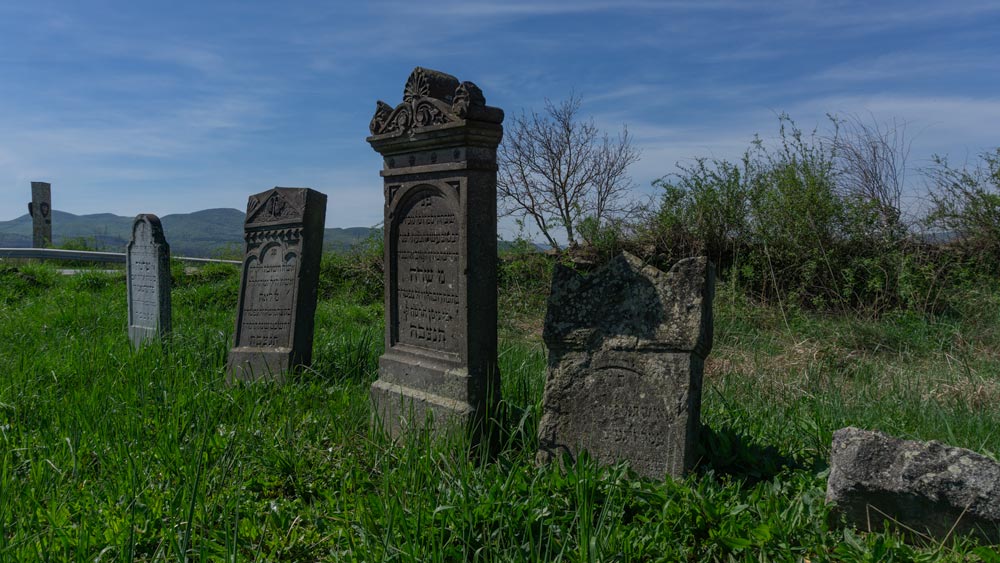
Cemetery Tourism in Pop Culture
Filmmakers often feature cemeteries in horror, mystery, and historical films. For example, Highgate Cemetery appears in vampire and ghost movies, while Père Lachaise in France is often shown in documentaries and biographies. Media coverage of these sites tends to spark interest. But also the gothic novels, or historical fiction, can lead people to come and visit those sites. Literature adds the mystique and cultural fascination.
One such great example is the book Interview with the Vampire by Anne Rice. St. Louis Cemetery No. 1 in New Orleans, USA, is the most famous cemetery in her books. Rice frequently referenced the city’s above-ground tombs and historic architecture, giving them a gothic, atmospheric quality. Many ghost and vampire tours in New Orleans highlight this cemetery because of its literary and cultural associations. Fans of Anne Rice often visit these cemeteries to see the settings of the novels.
Final Thoughts
Cemetery tourism attracts a wide range of visitors for many reasons. Some visitors come to explore history and architecture, while others seek personal connections, genealogy, or even ghost stories. Educational tours and cultural events add another dimension, while pop culture and social media continue to make historic cemeteries appealing to modern travelers. Whether you are visiting them for learning, inspiration, photography, or curiosity, historic cemeteries offer a unique and memorable experience for anyone interested in the stories they hold.
And if cemetery tourism fascinates you, don’t miss my photographic exploration of the Prešov Calvary Baroque Complex in Slovakia.
Sources:
- http://www.spartacus.schoolnet.co.uk/NORpilgrimage.htm
- https://www.myviennaaustria.at/tours/central-cemetery-tour?utm_source=chatgpt.com
- https://highgatecemetery.org/
- https://www.green-wood.com/
Sources: