
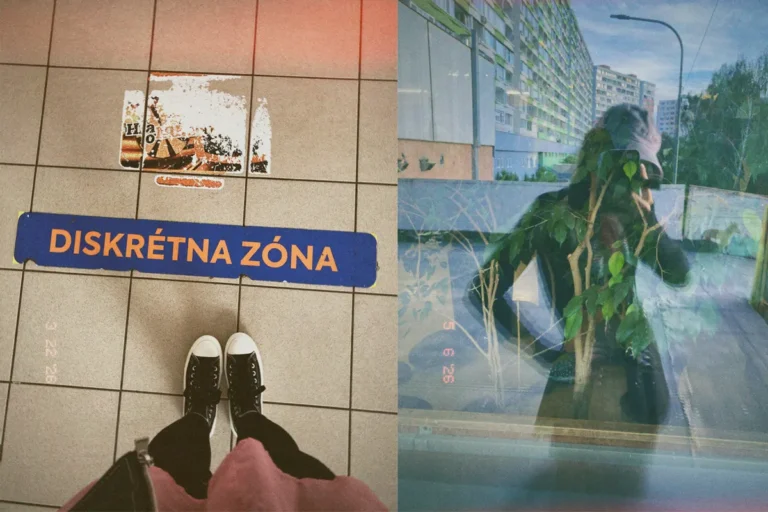
In an era of ultra-sharp smartphone cameras, high-resolution digital sensors, and increasingly realistic AI-generated images, visual perfection is easier to achieve than ever before. Yet many photographers, content creators, and social media users are moving in the opposite direction. Instead of pursuing flawless images, they are deliberately adding imperfections that were once considered technical limitations. This growing trend raises an important question: What is a vintage photo filter?
A vintage photo filter is a digital effect designed to recreate the appearance of older photographs, particularly those captured on analog film cameras.
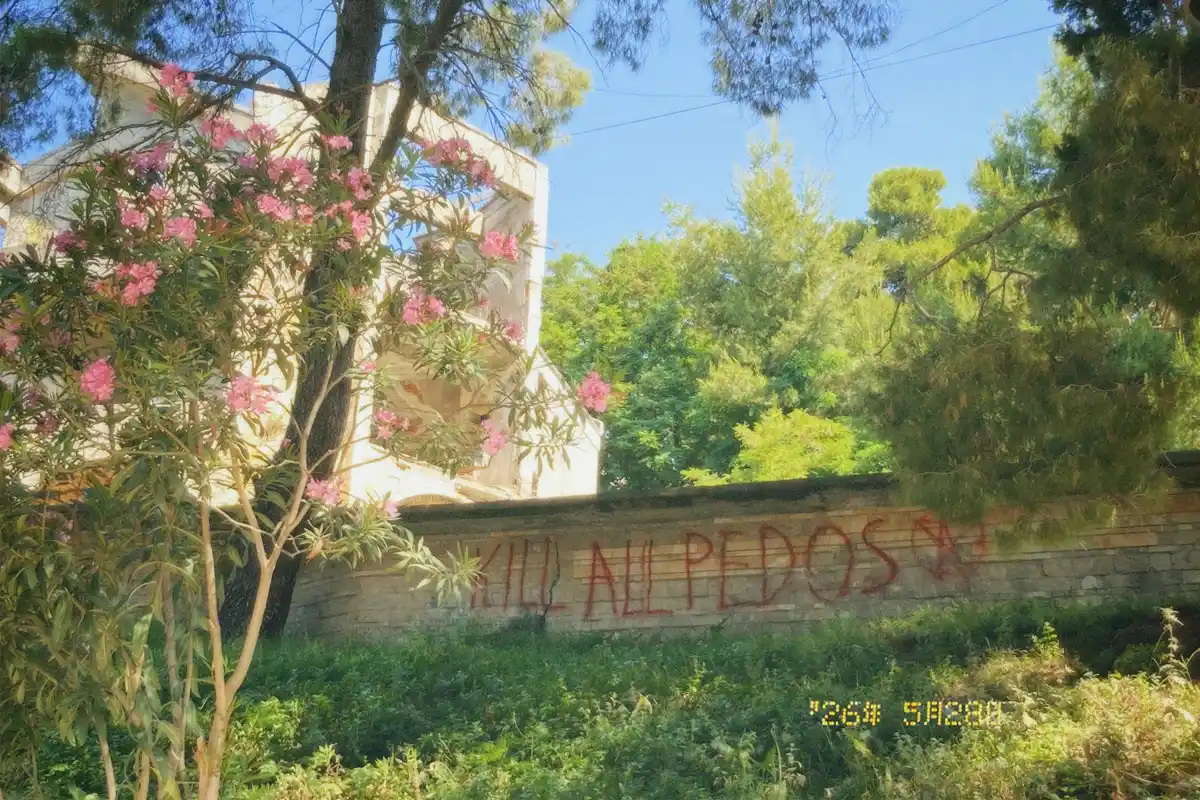
The photos featured throughout this article were edited using the Dazz Cam app, primarily with the CPM 35, Inst C, and D Exp filters. If you’re interested in exploring more options, check out my guide to the best Dazz Cam filters.
By specific adjustments, these filters can transform a modern digital image into one that feels nostalgic, timeless, and emotionally engaging. Common vintage effects include film grain, warm color casts, faded blacks, vignetting, and subtle light leaks.
The appeal of vintage photography has become even stronger in the age of AI-generated imagery. While artificial intelligence can create stunningly detailed and technically perfect visuals, many people still associate imperfections with authenticity.
A slightly faded photograph often feels more personal and believable than a perfectly rendered image. Vintage filters tap into this emotional connection, helping digital photos evoke memories, atmosphere, and a sense of history.
Whether you want to give your travel photos a classic film look, create a retro-inspired social media feed, or simply understand why vintage aesthetics remain so popular, learning what a vintage photo filter is can help you make more intentional creative choices.

How Does a Vintage Photo Filter Work?
A vintage photo filter works by digitally recreating the visual characteristics commonly associated with older film photographs. Rather than accurately representing a scene, the filter intentionally changes colors, contrast, and texture to make an image feel older, warmer, or more nostalgic.
Unlike modern digital photography, which often aims for maximum sharpness and color accuracy, vintage filters embrace imperfections. They soften certain details, introduce subtle grain, and alter color tones to mimic the look of photographs taken decades ago.
Simulating Film Photography
Many vintage filters are inspired by classic film stocks that were popular before digital cameras became mainstream. Different films produced different color palettes, contrast levels, and textures, giving photographs a distinctive look that many photographers still appreciate today.
Digital filters attempt to recreate these characteristics by adjusting how colors and tones are displayed in an image.
Adjusting Colors, Contrast, and Grain
Most vintage filters rely on a combination of visual effects:
- Faded colors that reduce the intensity of modern digital tones.
- Lower contrast to create a softer, less clinical appearance.
- Warm color shifts that introduce yellow, orange, or sepia tones.
- Film grainthat adds texture and makes the image feel less digitally perfect.
- Vignetting that subtly darkens the corners of a photograph.
Together, these adjustments help create a more timeless and atmospheric look.
Recreating the Effects of Aging
Some vintage photo filters go beyond film simulation and mimic the natural aging process of old photographs. They may add faded highlights, slight discoloration, dust effects, or light leaks that resemble wear caused by time and environmental exposure.
This combination of film-inspired characteristics and age-related imperfections is what gives vintage photography its distinctive charm and nostalgic appeal.

What Makes a Photo Look “Vintage”?
Not every photo with a warm filter automatically looks vintage. The classic retro aesthetic is usually created through a combination of visual characteristics that were common in film photography and older printed photographs. While the exact style can vary, most vintage images share several recognizable traits.
Faded Colors
One of the most noticeable signs of a vintage photo is reduced color intensity. Instead of the vibrant and highly saturated colors often produced by modern smartphones, vintage images typically feature softer, more subdued tones that feel less polished and more natural.
Warm Color Tones
Many vintage photographs have a warm appearance created by subtle yellow, orange, or brown color casts. These tones can make an image feel nostalgic and inviting, which is one reason vintage aesthetics remain popular today.
Visible Grain
Film grain is often associated with traditional analog photography. Unlike the clean and smooth look of digital images, grain adds texture and character. Even when applied digitally, it can make a photo feel more authentic and less perfect.
Light Leaks
Light leaks appear as soft streaks or patches of light, often in shades of orange, red, or yellow. Originally caused by light entering a film camera, they have become a popular creative effect that instantly gives photos a retro feel.
Vignetting
A vignette subtly darkens the edges of a photograph, drawing attention toward the center of the frame. While modern lenses are designed to minimize this effect, it was more common in older cameras and remains a recognizable feature of vintage photography.
Softer Details
Today’s cameras capture an incredible amount of detail, but vintage photos often appear slightly softer. This gentler rendering can create a more atmospheric and timeless look, especially in portraits and travel photography.
While a single effect may not be enough to create a convincing vintage aesthetic, combining several of these characteristics can transform an ordinary digital image into one that feels as though it belongs to another era.
Why Do People Use Vintage Photo Filters?
Vintage photo filters remain popular because they add mood and personality to images that might otherwise look ordinary. While modern cameras are capable of producing technically perfect photos, many photographers and content creators prefer a look that feels more emotional and distinctive.
Nostalgia
One of the biggest reasons people use vintage filters is nostalgia. The faded colors and film-like textures can remind viewers of old family albums, childhood memories, or photographs from decades past. Even younger generations who never used film cameras often find vintage aesthetics appealing because they evoke a sense of history and authenticity.
Social Media Aesthetics
Vintage editing styles have become a popular choice on platforms such as Instagram and TikTok. A consistent retro look can help create a recognizable visual identity and make photos stand out among highly polished digital content.
Stronger Visual Storytelling
Photography is not only about documenting a scene but also about communicating a feeling. Vintage filters can make an image appear more romantic, reflective, or timeless, helping photographers tell a more compelling story.
Travel Photography
Many travel photographers use vintage effects to enhance the atmosphere of a destination. A subtle film-inspired edit can add character to street scenes, landscapes, and cultural experiences, making them feel more memorable.
The Film Look Without the Cost
Vintage filters also allow photographers to enjoy the aesthetic of film photography without the expense and uncertainty of shooting on actual film. Unlike analog photography, digital editing provides instant results, unlimited experimentation, and complete control over the final image. There is no need to purchase film rolls, pay for development, or worry whether the photos were exposed correctly before seeing the results.

Types of Vintage Photo Filters
The term “vintage photo filter” covers a wide range of styles. Some filters aim to recreate the look of classic film stocks, while others are inspired by specific cameras, decades, or photographic techniques. Understanding the main categories can help you choose a look that matches the mood you want to create.
| Filter Type | Characteristics | Best For |
|---|---|---|
|
Film-Inspired Filters |
Natural colors, subtle grain, soft contrast, and an authentic analog feel. |
Travel photography, portraits, and everyday photography. |
|
Polaroid-Style Filters |
Faded colors, soft highlights, and the instant-camera aesthetic associated with classic Polaroid photos. |
Casual snapshots, lifestyle content, and nostalgic memories. |
|
Sepia Filters |
Warm brown tones that resemble aged photographs from the late 19th and early 20th centuries. |
Historical themes, architecture, and artistic projects. |
|
90s Retro Filters |
Disposable-camera vibes, flash photography effects, date stamps, and vibrant colors. |
Social media content, parties, and street fashion photography. |
|
Black and White Vintage Filters |
Monochrome tones combined with film grain and classic contrast. |
Portraits, documentary photography, and timeless artistic images. |
While each style creates a different visual impression, they all share the same goal: transforming modern digital images into photographs that feel more nostalgic, atmospheric, and connected to the past.

Vintage Filter vs Film Photography
While vintage photo filters and real film photography often produce a similar aesthetic, the way they are created is fundamentally different. One is a digital simulation, while the other is a physical, chemical process.
Digital Control vs Physical Process
A vintage photo filter is a digital tool that applies visual changes to an existing image. It allows full control over the final result, meaning you can adjust colors, contrast, grain, and intensity instantly and as many times as needed. This makes it a fast, flexible, and accessible way to achieve a vintage look.
Film photography, on the other hand, is a physical process where light directly interacts with photosensitive material. The final result depends on multiple unpredictable factors, including the type of film used, lighting conditions, and the chemical development process. Once a photo is taken on film, the outcome cannot be instantly previewed or easily modified.
Control vs Chance
The key difference between the two approaches is control versus chance. Digital vintage filters offer precision and repeatability, allowing creators to achieve a consistent aesthetic across multiple images. Film photography introduces unpredictability, where imperfections and surprises are part of the final image.
While film is often valued for its authenticity and unique imperfections, vintage filters provide a practical alternative that delivers a similar visual style without the cost, time, and uncertainty of analog shooting. For most modern creators, this balance between aesthetic and convenience is what makes digital vintage editing so popular.

Best Ways to Use a Vintage Photo Filter
Vintage photo filters work best when they are used intentionally rather than applied to every image in the same way. Different photography styles naturally benefit from the nostalgic and atmospheric look that these filters create.
Travel Photography
Vintage filters are often used in travel photography to enhance the mood of a location. They can make modern cities, landscapes, and historical places feel more timeless and cinematic, especially when working with warm tones and soft lighting.
Portraits
In portrait photography, vintage effects can create a softer and more flattering look. By reducing sharpness and contrast, these filters gently smooth textures and give portraits a more editorial, stylized appearance.
Street Photography
Urban environments pair well with vintage aesthetics. City scenes, reflections, and everyday moments gain more character when combined with subtle grain and muted tones, often creating a more cinematic and storytelling-driven result.
Lifestyle and Social Media Content
Vintage filters are also widely used in lifestyle photography and social media content. Everyday scenes such as coffee moments, outfits, or casual environments can feel more curated and visually cohesive when edited with a consistent retro style.

How to Create a Vintage Look From Digital Photos
There are several ways to achieve a vintage look in digital photography, depending on how much control you want over the final result and which tools you prefer to use. Each approach offers a slightly different balance between simplicity and creative flexibility.
For a more detailed step-by-step process, you can explore how to build your own aesthetic in a dedicated guide on creating a custom vintage photo filter: How to Create a Custom Vintage Photo Filter.
Mobile Apps
Mobile editing apps are the fastest way to achieve a vintage look. They are designed for quick adjustments and often include pre-made filters that simulate film styles with minimal effort. If you are looking for specific recommendations, there are dedicated tools and apps that focus entirely on vintage and film-inspired photography: Best Vintage Photo Filter Apps.
Desktop Editing (Photoshop & Lightroom)
For more advanced control, desktop software allows you to fine-tune every aspect of your image. Instead of relying on presets, you can manually adjust tones, contrast, and texture to create a more personalized vintage style. This approach is preferred by photographers who want consistency across a larger body of work.
AI-Powered Editing Tools
AI-based editing tools are becoming increasingly popular as they can automatically analyze an image and apply stylistic adjustments that mimic film aesthetics. These tools are especially useful when speed is more important than manual control.
Online Photo Editors
For quick edits without installing software, online photo editors offer a simple way to apply vintage-style adjustments directly in a browser. They are usually limited in control but effective for basic retro effects.

Final thoughts
Understanding what is a vintage photo filter helps explain why this aesthetic has become such a lasting trend in digital photography. Instead of focusing on technical perfection, vintage filters prioritize mood, emotion, and storytelling, transforming modern digital images into something more nostalgic and expressive.
Whether used in travel photography, portraits, or social media content, the vintage style continues to stand out because it emphasizes atmosphere over precision. In a world filled with ultra-sharp and highly polished visuals, this softer, film-inspired look offers a more human and timeless alternative.

A vintage photo filter is a digital effect that changes the colors, contrast, and texture of a modern image to recreate the appearance of older film photography.
Not exactly. Vintage filters are digital simulations created using software, while the film look comes from physical photographic film and chemical processing. However, high-quality filters can closely replicate many characteristics of real film.
Yes. A vintage-style effect can be achieved using basic photo editing tools by adjusting overall tone, contrast, saturation, and sharpness. No specialized apps are strictly required.
Different tools offer different styles of vintage aesthetics, depending on whether you prefer realistic film emulation or more stylized retro effects. Dedicated vintage editing apps are usually the easiest option for beginners, while advanced tools offer more control.
Sources:
- Kodak Professional Film Resources
- Ilford Photo Learning Zone
- Fujifilm Film Simulation Guide
- Adobe Lightroom Photo Editing Tutorials
- The Library of Congress – History of Photography Collection
Sources: