Thanks to better and more accessible transportation options, some places have become slowly overcrowded with tourists. When you look at some travel advice, there might be the same spots mentioned over and over again. By being exposed to such realities, you might get the impression that the real culture is happening probably somewhere else. Then the question is how to discover non-touristy events in your area, even when youare traveling or staying in other countries.
The most authentic experiences rarely appear on TripAdvisor or airport brochures. They’re hidden in small cafés, community centers, and online groups. or message boards.
Why Non-Touristy Events Are Worth It
More authentic local culture
Cheaper or free
Easier networking
Better photos
More meaningful conversations
Art exhibition in a small shopping mall Galéria in Košice, Slovakia
Check local facebook groups
Many non-touristy events might never appear on classic travel websites. Many events can be shared in small local communities. Some of them can have their own social media groups. Since Facebook is one of the oldest, you can search for something like “[city] community,” “[city] creatives,” “[city] expats,” “[city] underground,” “[city] cultural events,” or even a specific “[district name] neighborhood group”.
You can try reaching niche interest groups such as photography clubs, board games groups, poetry and literature circles, and local hiking or running communities. Some of these groups may organize events (for example, an evening photo walk, a run, or a nearby hike) that never appear on mainstream event sites. Many mainstream tourist platforms usually provide information about major festivals, big concerts, or commercial events.
Use meetup platforms
Websites like Meetup and Eventbrite allow you to filter events by topic, size, price (including free events), and date, making it easier to find niche meetups, instead of browsing “popular events,” and search by specific interests.
Follow local artists & small venues on Instagram
You can start by searching Instagram for independent galleries, live music bars, art spaces, and cultural centers. Then, if you manage to find one you like, open their profile and check who they follow, who tags them, look for collaborations, and browse their event photos. This activity can quickly lead to discovering new local DJs, photographers, performers, and organizers. You can also use the IG search bar and type a specific neighborhood, a small café, or a local bar, and click the location tag to explore recent posts.
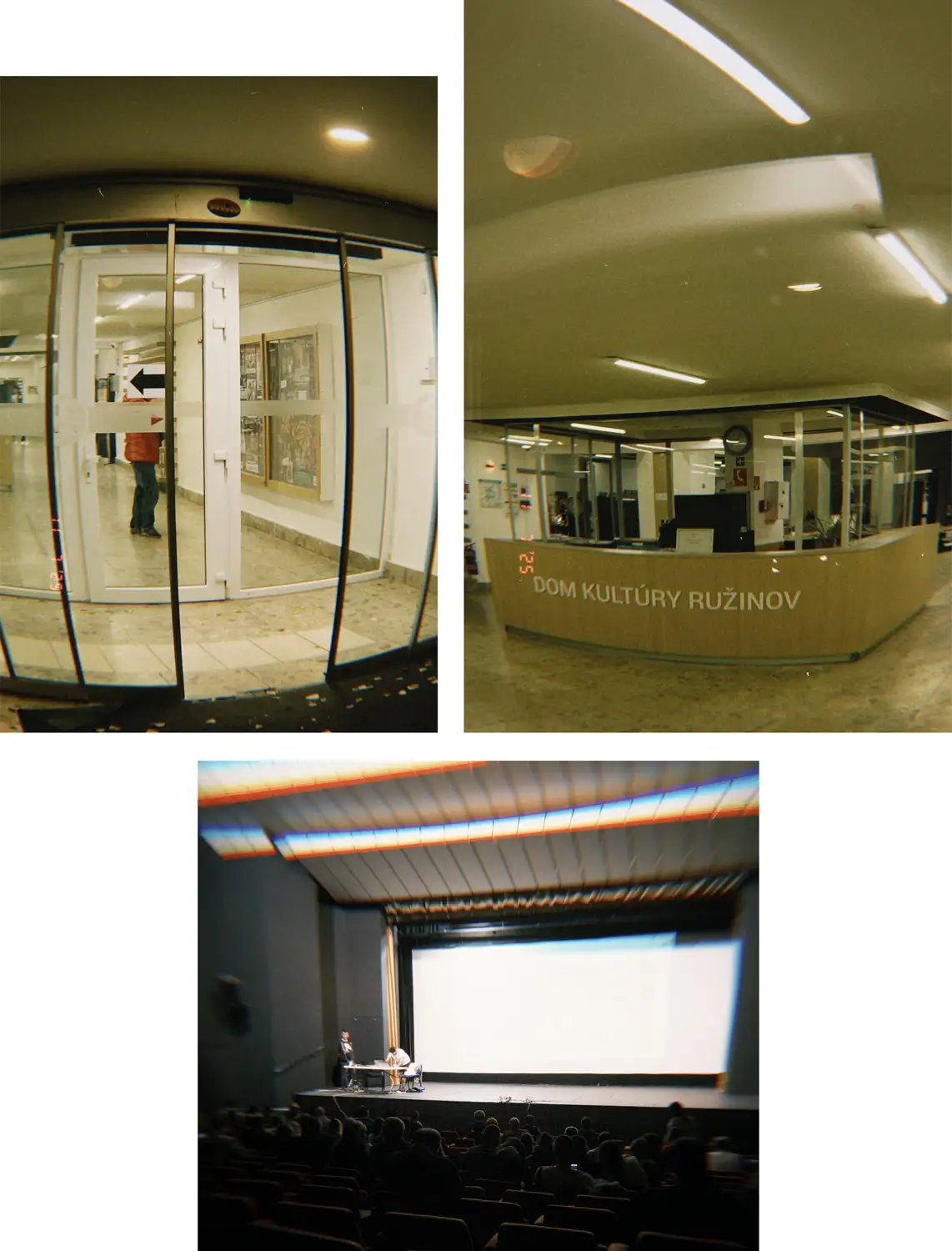
DK Ružinov cultural venue hosting local events in Bratislava, Slovakia
Read local online newspapers
Large national media usually highlight big festivals. Try to find some smaller ones and use online translation tools in case the sites are only in the local language. Smaller publications often support underground art scenes and creative communities. Local journalists tend to write for residents, not for tourists. Many local outlets send weekly “What’s on this weekend” emails. It is a good idea to subscribe to them and have a better chance of discovering events before they become widely shared.
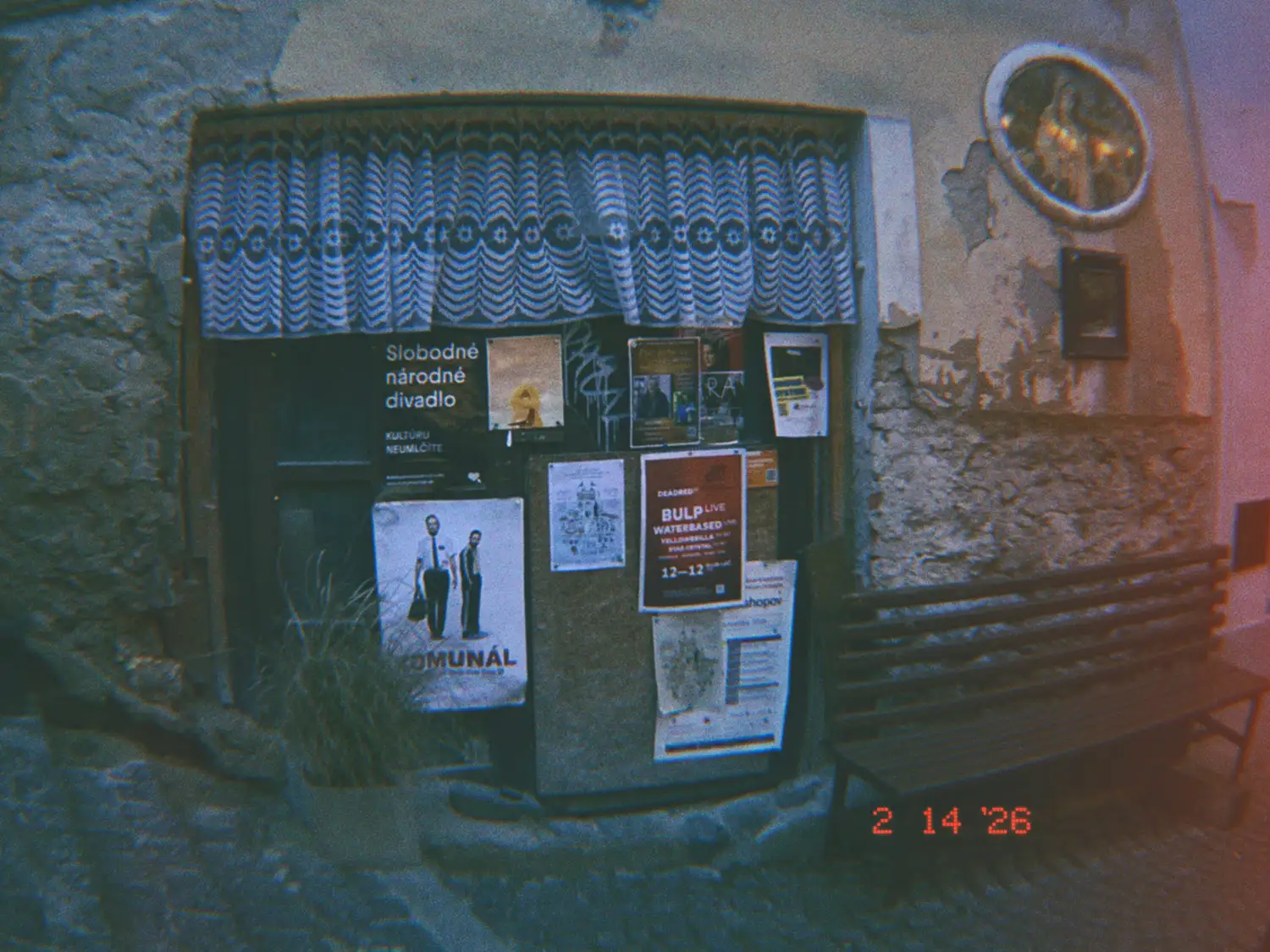
Visit cafés & notice physical posters and stickers
Skip tourist-heavy cafés near main squares. Instead, look for student cafés, alternative coffee shops, vegan/artsy spots, independent bookstores, vinyl shops, and cultural centers. Check near the entrance, in restroom hallways, and around the counter, where you’ll often find posters advertising poetry readings, open mic nights, indie concerts, language exchanges, film screenings, DIY markets, and creative workshops.
In many European cities, especially in Central and Eastern Europe, local cultural centers (“Dom kultúry”) play an important role in neighborhood life. These venues regularly host theatre performances, small concerts, folklore events, dance evenings, workshops, and public discussions — often at very affordable prices and mostly attended by locals.
In Bratislava, places like Dom kultúry Ružinov or Dom kultúry Zrkadlový háj regularly organize community-driven events that rarely appear on international travel platforms.
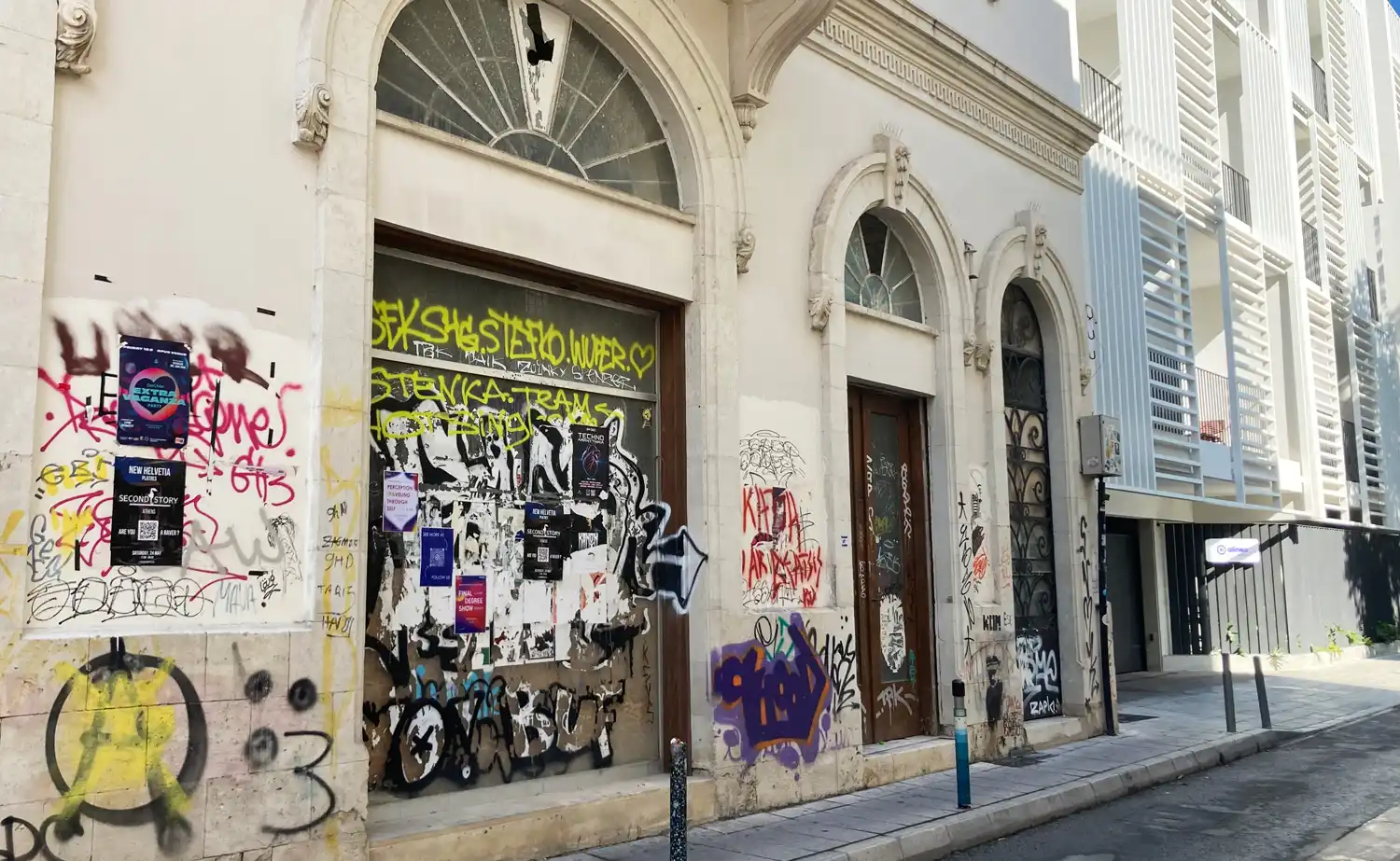
Nicosia, Cyprus
Take photos of anything interesting so you can search for it later. You will find many posters on boards, usually near the entrance, in restroom hallways, or near the counter.
You can also take pictures of street stickers and later check online their origins – some of them tend to mention the IG handle, logos, names, or hashtags to look up.
Trenčín downtown, Slovakia
Check university websites and libraries
Local university pages tend get overlooked when searching for local events. The fact is that they often host public lectures, cultural evenings, film screenings, exhibitions, or academic conferences. Even when you are not a student, some of these events may be open to the public. For example, in Slovakia, lectures are open to the public. If you are not a regular student and wish to attend, it’s best to seek approval from the lecturer. Some departments worth checking include arts and humanities, film studies, international relations, computer science, and architecture.
On the other hand, there are student organizations. Some of them may organize cultural nights, language exchanges, international food festivals, open mic evenings, and themed parties.
If you’re in Bratislava and curious to experience something truly niche from the academic world, consider attending “Issues on the (Im)Possible,” a conference organized by the Institute of Philosophy.
Libraries, including those outside of universities, can be excellent sources of information. They often organize interesting events too – mainly book and poetry readings, but sometimes, even lectures, quizzes, and exhibitions. For example, in Bratislava, Miestna knižnica Petržalka offers regular and occasional events. Events can be filtered according to the target audience: children, young adults, or adults. It has its own website, which includes a separate page for events and an event calendar.
University conference “Issues on the (Im)Possible"
Think and live like a local
If you truly want to discover non-touristy events, you have to stop behaving like a visitor — and start behaving like a resident. Hidden events are rarely advertised to outsiders. They circulate within everyday local life.
By being open to speaking to locals or moving around in public transport, you may discover posters advertising events inside vehicles (in Slovakia, Košice tends to have more such ads compared to Bratislava), overhear conversations about weekend plans, or notice which neighborhoods locals actually visit at night.
You can also visit local street and flea markets. Some vendors may also promote food fairs, seasonal festivals, craft workshops, or community celebrations.
Limassol downtown, Cyprus
Stay in Airbnb, smaller hotel, couchsurfing
Where you stay can significantly influence the events you discover. Large chain hotels usually promote mainstream attractions and commercial tours. Hosts of short-term rentals or independent hotels often:
Share personal recommendations
Promote neighborhood events
Leave flyers or local magazines in the apartment lobby
Tell you about concerts, markets, or pop-ups happening nearby
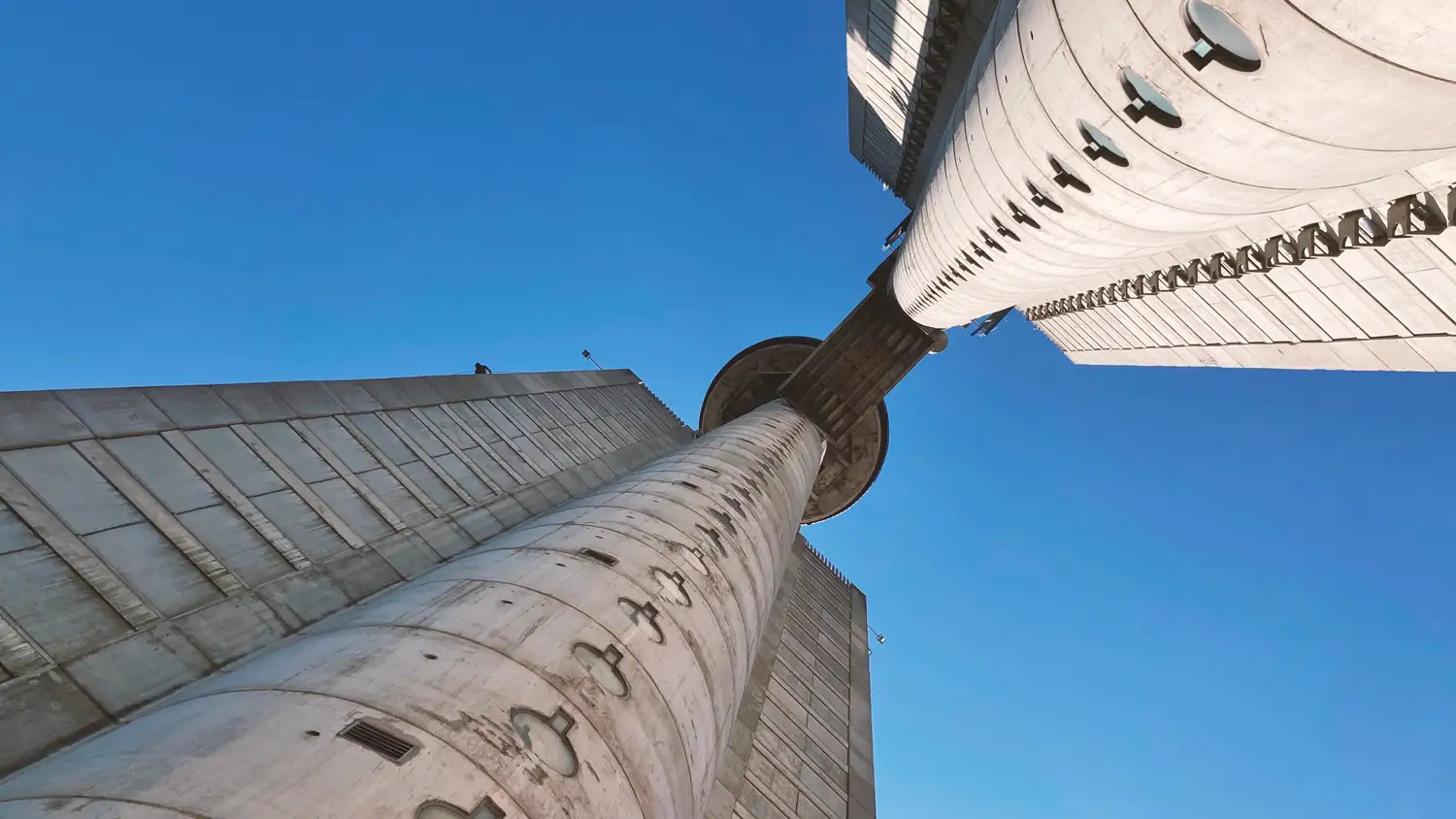
Brutalist Genex Tower in New Belgrade with residential apartments available on Airbnb
Discover local people (guides) or rent a friend
Many travelers are aware that sites like GetYourGuide or Viator exist. Through them, you can book a tour with a local tour guide. But there are also sites where you can rent a local friend. They might offer to be your guide within their own scope of interests. Some bigger cities, especially in Japan and China, have a larger number of such locals. The trend of hiring local friends is gradually spreading to European markets.
World War II Kugelbunker, a small dome-shaped machine-gun bunker in Piešťany, Slovakia.
Visit smaller cities, towns, and villages
If you really want to experience non-touristy events, consider leaving the major city altogether. Smaller towns and villages often host authentic cultural gatherings designed for residents — not visitors.
In smaller communities, events are:
More personal
Community-driven
Often free or donation-based
Focused on tradition rather than tourism
You may bump into some interesting ones while researching your desired destination. Sometimes they might only represent some points where you want to stop for a while, while on your journey somewhere further. But don’t underestimate their potential.
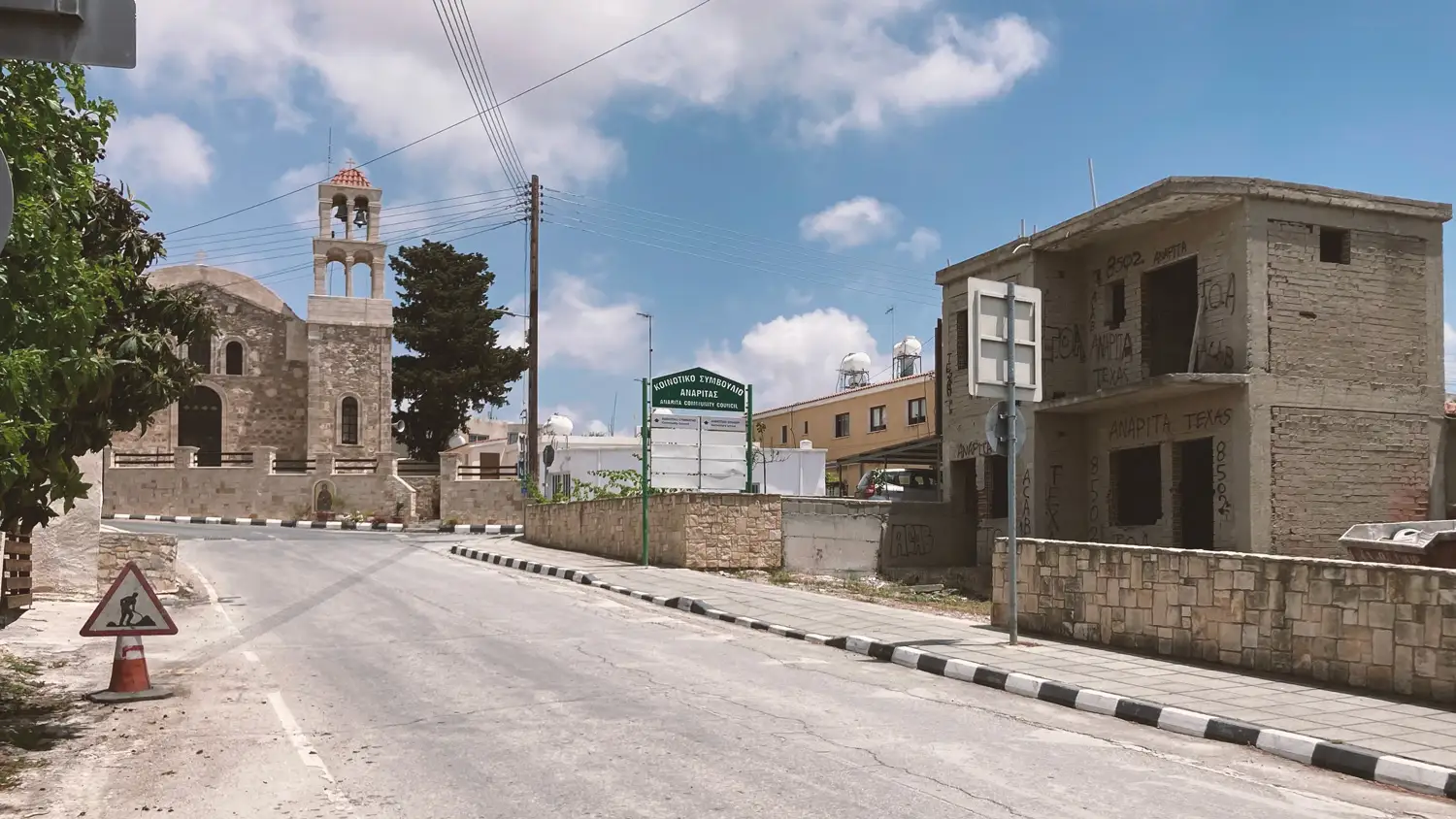
During my time in Cyprus, I set out to explore the island’s abandoned and decaying villages (such as Foinikas), curious about the forgotten places scattered across the countryside. Instead, I stumbled upon something even more interesting — small villages that were still very much alive, full of local life, everyday routines, and a quiet charm that felt untouched by mass tourism.
Anarita, Cyprus
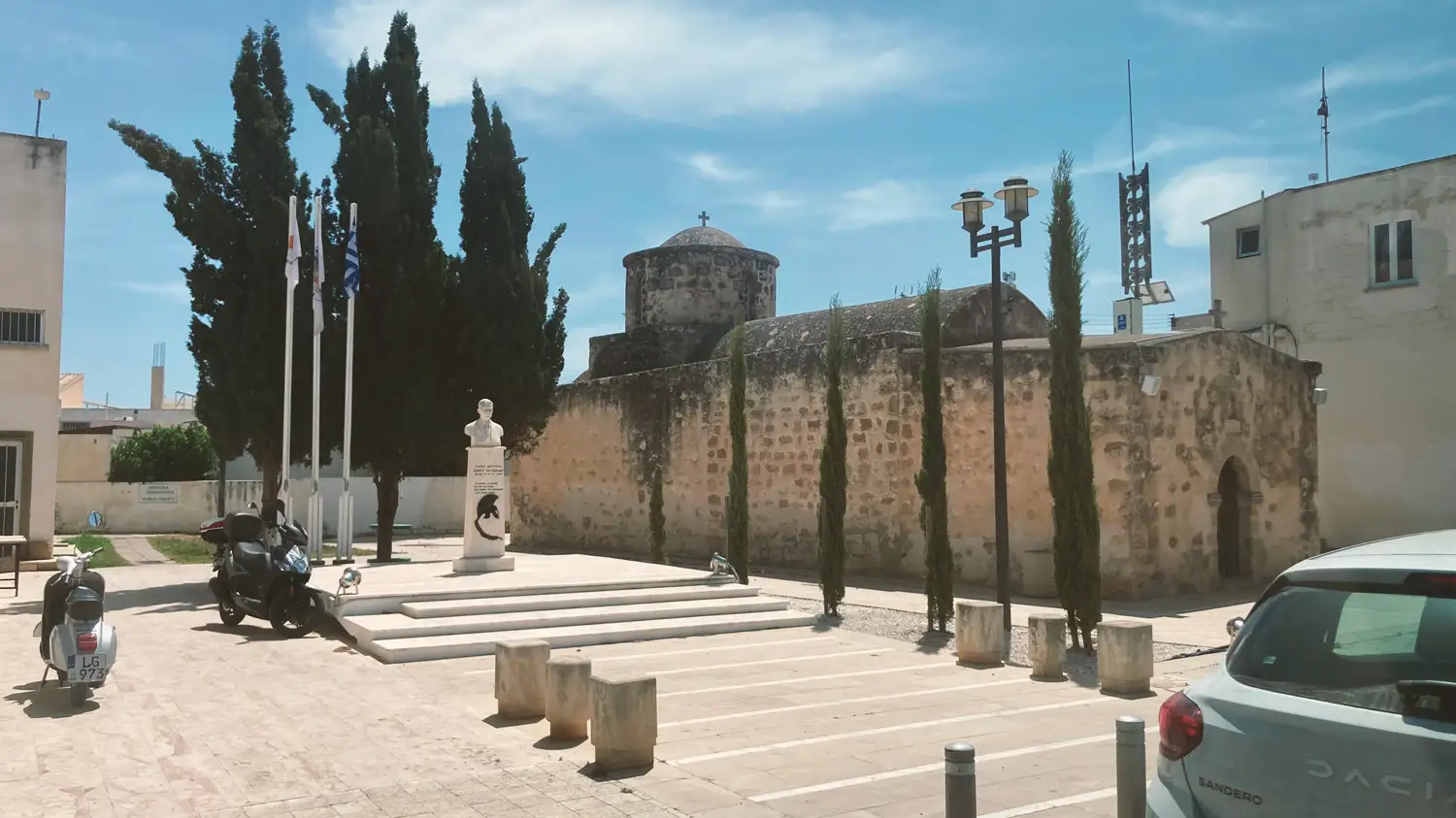
Some were near Paphos International Airport, others closer to larger villages like Deryneia, where locals went about their day while a few curious tourists and expats filmed YouTube videos, documenting these semi-hidden corners of the island. It reminded me that sometimes when you go looking for ruins, you end up discovering living communities — and that’s sometimes far more meaningful.
Deryneia, Cyprus
Join a community experience
If you want to move beyond observing and start truly experiencing a place, join something participatory. Previously, I have talked about staying at Airbnb. The site also has a section for experiences that is worth checking. Look for:
Cooking classes hosted by locals
Pottery or craft workshops
Photography walks
Dance classes
Language exchanges
You can also consider volunteering in areas where your skills can be helpful. Community gardens, local festivals, charity runs, or beach clean-ups often welcome extra hands.
Atlas Obscura
I think this site is a great starting point for some weird and less mainstream places, spots, or events, such as unusual landmarks, forgotten sites, niche museums, local traditions, or quirky festivals.
Closing thoughts: discover the local side
The key is participation, observation, and openness — noticing posters in cafés, asking locals about upcoming events, and joining in when possible. It’s about shifting your mindset and exploring a place like a local. When you actively engage with the community rather than just visiting and passing by as a tourist, you can unlock experiences that can be truly memorable, meaningful, and uniquely yours.
Event poster displayed along Donaukanal in Vienna, Austria
Sources:
Edit Template
Sources:
Cookie Consent
We use cookies to optimize your experience, personalize content, and analyze our traffic. By clicking "Accept All", you agree to our use of cookies for a smoother and faster browsing experience. Learn more in our Privacy Policy.
Contains information related to marketing campaigns of the user. These are shared with Google AdWords / Google Ads when the Google Ads and Google Analytics accounts are linked together.
90 days
__utma
ID used to identify users and sessions
2 years after last activity
__utmt
Used to monitor number of Google Analytics server requests
10 minutes
__utmb
Used to distinguish new sessions and visits. This cookie is set when the GA.js javascript library is loaded and there is no existing __utmb cookie. The cookie is updated every time data is sent to the Google Analytics server.
30 minutes after last activity
__utmc
Used only with old Urchin versions of Google Analytics and not with GA.js. Was used to distinguish between new sessions and visits at the end of a session.
End of session (browser)
__utmz
Contains information about the traffic source or campaign that directed user to the website. The cookie is set when the GA.js javascript is loaded and updated when data is sent to the Google Anaytics server
6 months after last activity
__utmv
Contains custom information set by the web developer via the _setCustomVar method in Google Analytics. This cookie is updated every time new data is sent to the Google Analytics server.
2 years after last activity
__utmx
Used to determine whether a user is included in an A / B or Multivariate test.
18 months
_ga
ID used to identify users
2 years
_gali
Used by Google Analytics to determine which links on a page are being clicked
30 seconds
_ga_
ID used to identify users
2 years
_gid
ID used to identify users for 24 hours after last activity
24 hours
_gat
Used to monitor number of Google Analytics server requests when using Google Tag Manager
1 minute
Marketing cookies are used to follow visitors to websites. The intention is to show ads that are relevant and engaging to the individual user.
This script provides interactive maps and affiliate tools for searching and booking accommodations and flights. Cookies are used to correctly display prices, availability, and to anonymously track affiliate booking commissions.