
Cyprus wasn’t just a brief and chaotic stop for the Templars. There was a moment in the island’s history when they actually owned it. It all started in 1191, when Richard the Lionheart was on his way to the Third Crusade. A storm wrecked his ships near Limassol, where he came into contact with the local ruler, Isaac Comnena. After he mistreated the survivors and Berengaria, Richard’s bride-to-be, Richard conquered the island and sold it to the most mysterious organization of the Middle Ages: the Knights Templar.
Their reign over the island was short-lived, but they carved their mark quite deeply, so even today, there are a couple of Knights Templar sites in Cyprus that you can visit.
Beyond the famous battlements of Limassol and Kolossi lie forgotten ruins, “sinking” villages, and silent mountain peaks. Here, the secrets of the Order remain etched into the stone. The following paragraphs will introduce both well-known landmarks and lesser-known hidden places that I think are worth checking if you have enough time when visiting Cyprus.
Foinikas
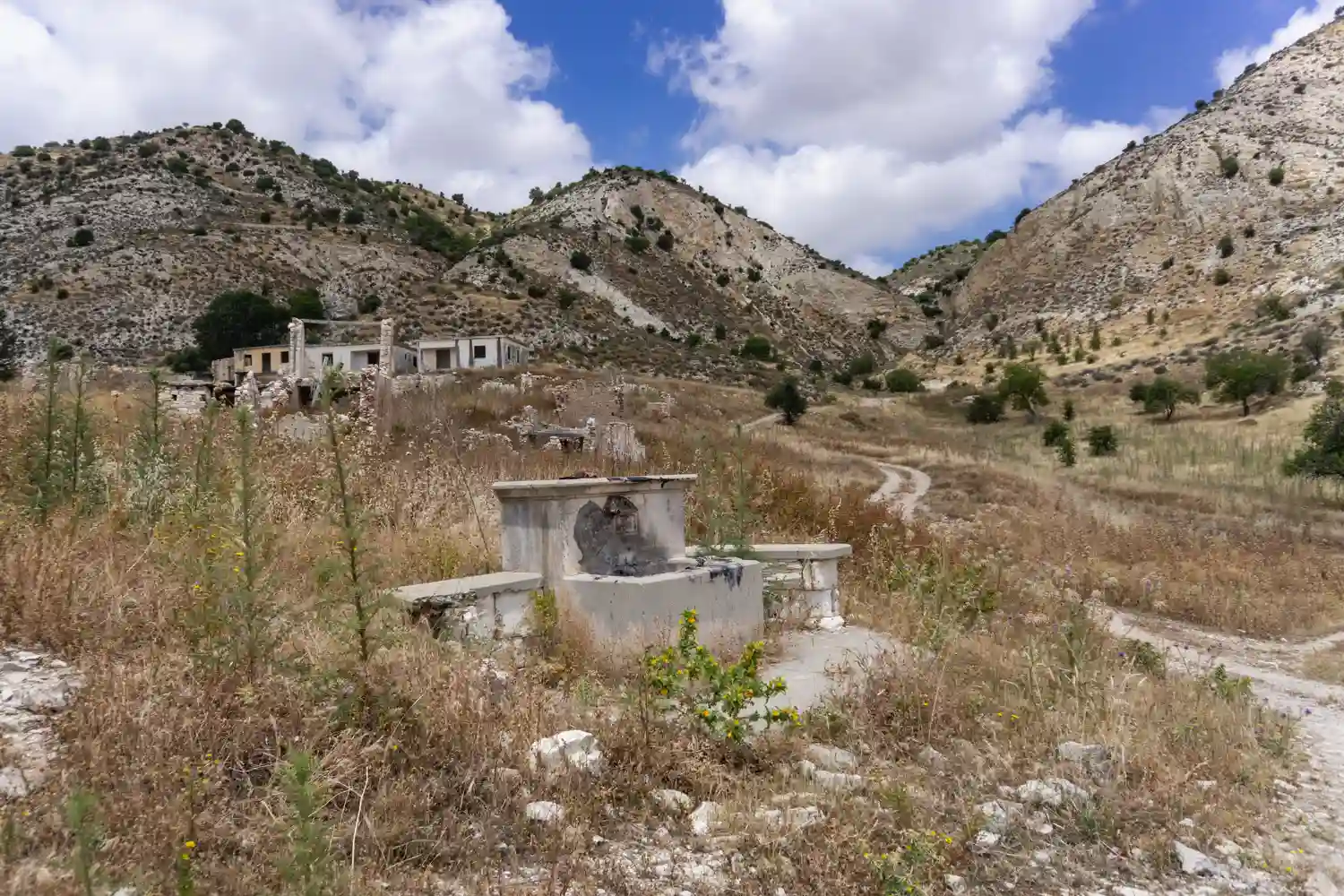
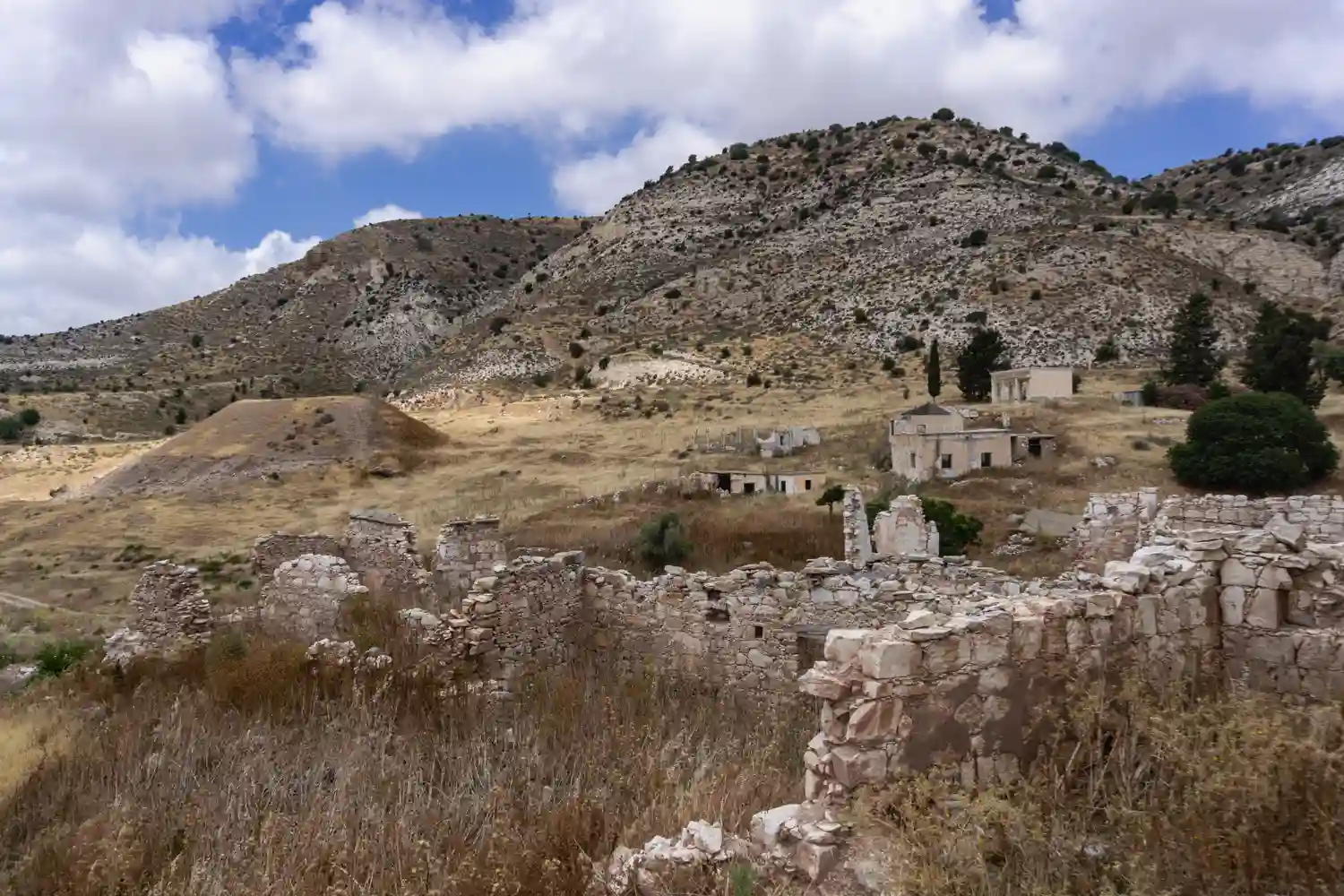
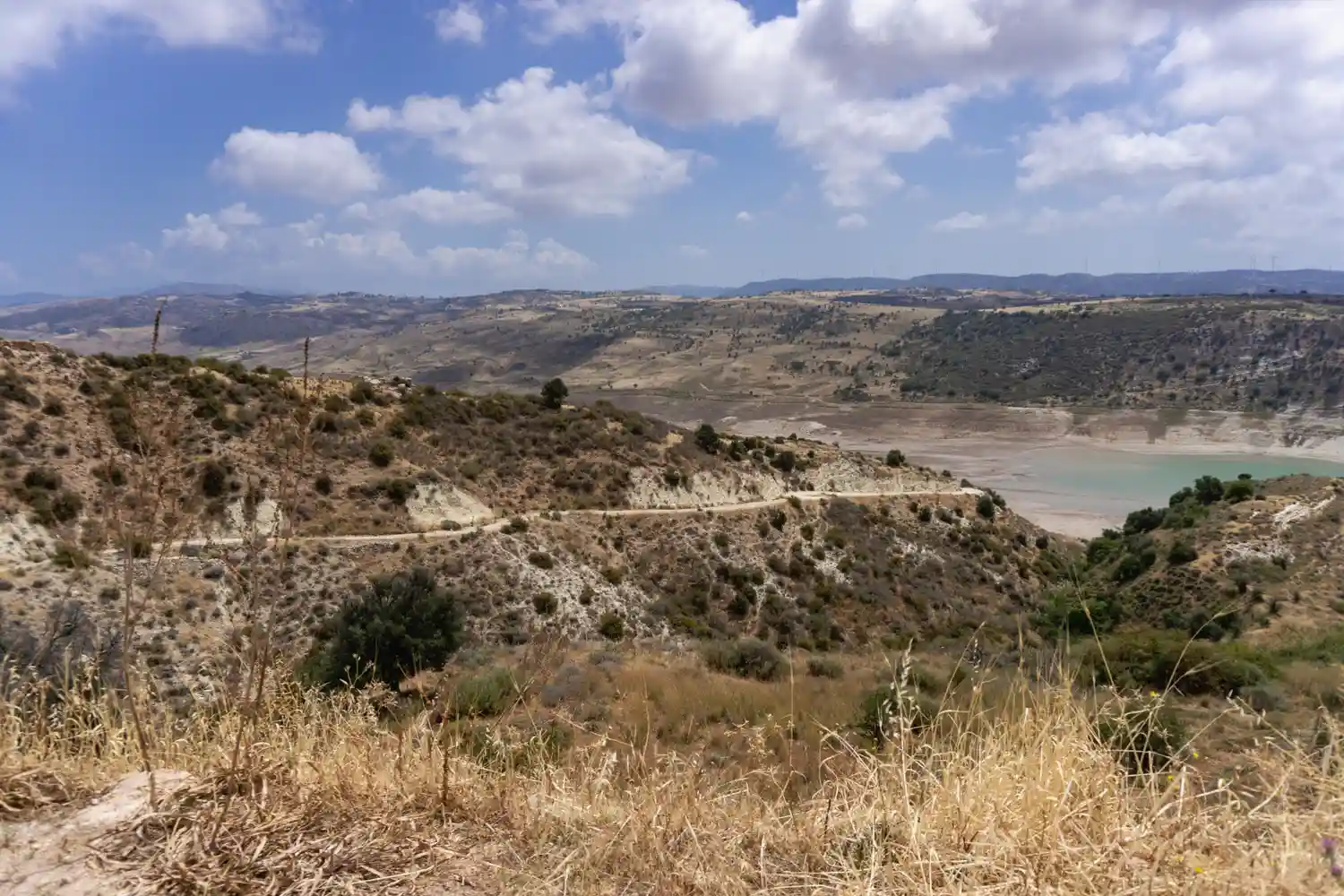
Foinikas is a small village in the Paphos district. Today it is uninhabited. During the Knights Templar’s reign, it functioned as an administrative and agricultural hub. Some people even describe it as the heart of the Templar estates in the Paphos region. The village also has a couple of nicknames: the Ghost Village and the Sunken Village.
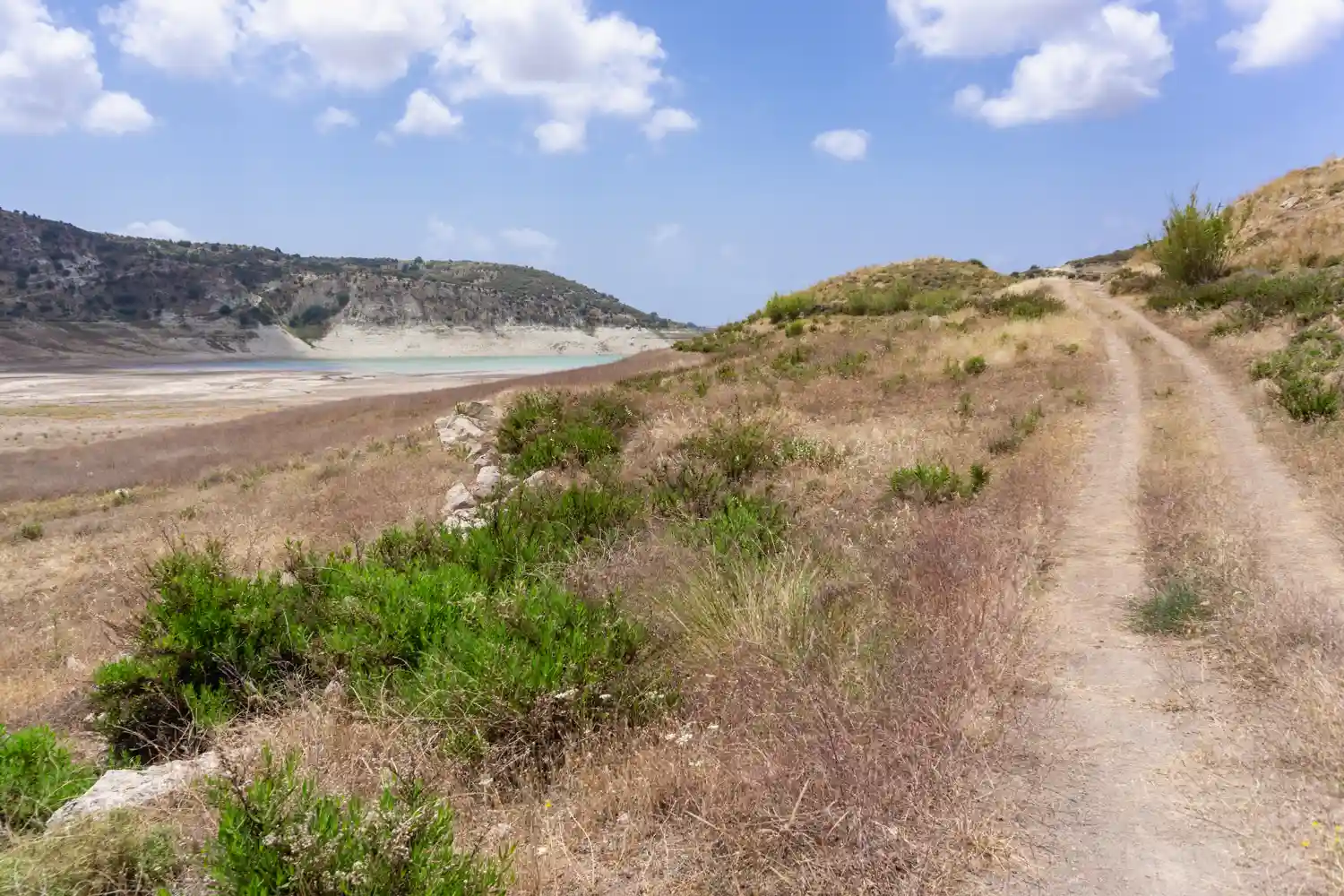
One of the reasons for choosing this location was its fertile agricultural land and its proximity to the Xeros River. In the 13th century, this was a lush, wealthy area that produced sugar and silk—the “white gold” of the Middle Ages. Even today, the village has a water reservoir nearby – the Asprokremmos Dam. They built it in the 1970s, the same decade they abandoned the village.
Today, there are seasons when the water level rises, and parts of the original Foinikas go underwater. Since the island struggles with water shortages, the dam’s water levels are often lower nowadays, and the chances of seeing Foinikas with the dam as a dramatic backdrop are becoming smaller. When viewing older photos, the partially submerged ruins create a haunting, mystical atmosphere. This feeling fits perfectly with the legend of the Templars.
Walking through the ruins today is a surreal experience. You can see the grand arched doorways of knightly manor houses and the silent bell tower of the village church, all slowly being reclaimed by nature. The architecture is a mix of medieval stone and later additions, showing how the village evolved after the Templars left. They believe the original Templars built the structures closest to the dam. One notable building is the Church of Agios Nikolaos.
Limassol castle
The Templar story in Cyprus began at Limassol Castle. The castle is the site where Richard the Lionheart landed and later married Berengaria of Navarre. However, Richard needed to move on to the Holy Land, so he sold the island to the Templars.
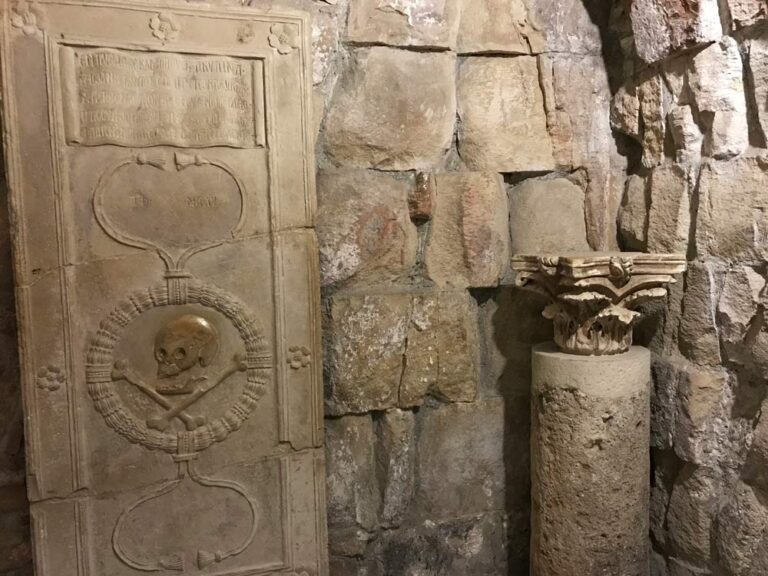
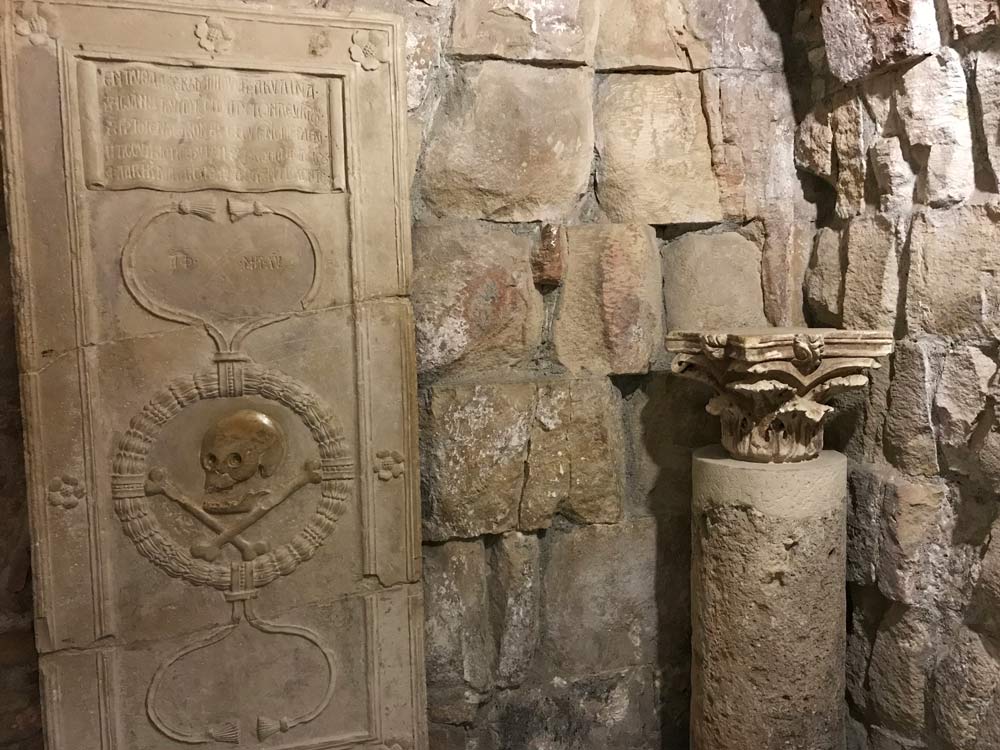
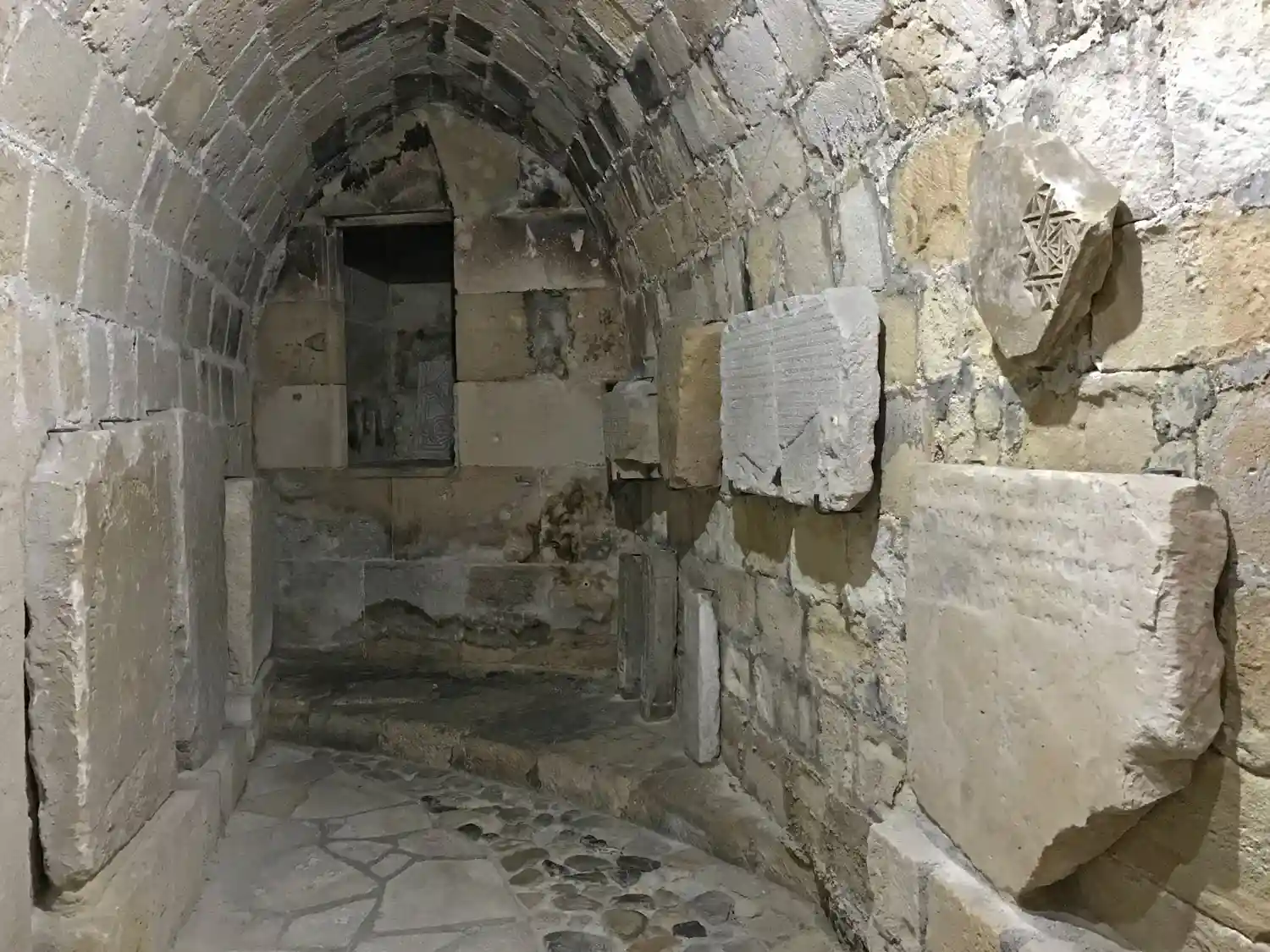
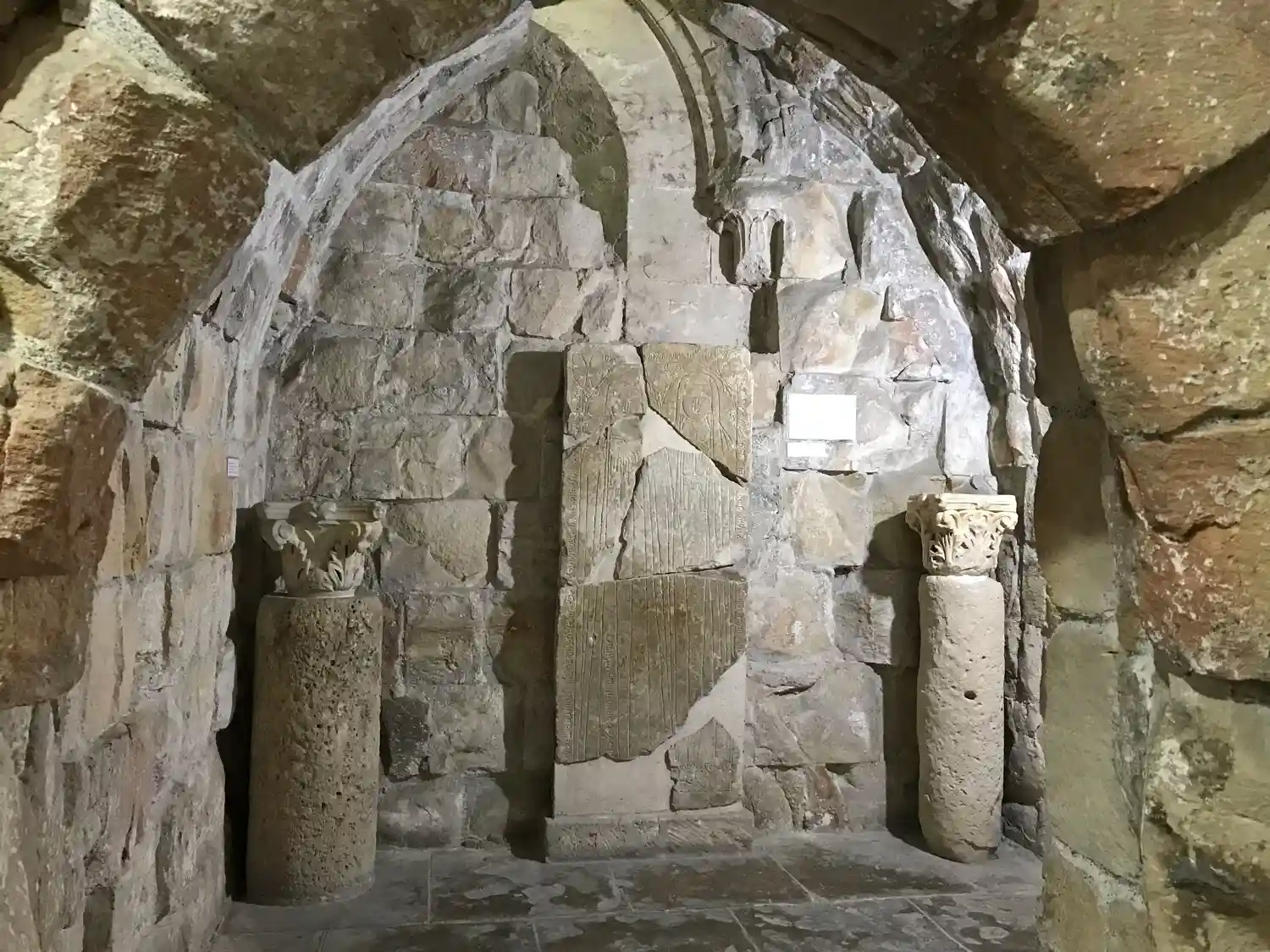
The “castle” you see today is mostly an Ottoman reconstruction, but the Templar history lies in the basement. The lower levels and the prison cells still hold the atmosphere of the medieval period. Since the castle now houses the National Museum, you can find some physical evidence there: knightly gravestones, weaponry, and armor. Limassol Castle wasn’t just a residence but also an important port. This is where their galleys docked.
It was also the place where recruits from Europe first set foot on Cypriot soil.
Kolossi castle
It is arguably the most “Templar-like” building on the island, thanks to its massive and imposing military architecture. Kolossi is only a 15-minute drive from Limassol. It is also possible to reach it by public transport (bur n. 33). The castle has a drawbridge and the “murder hole” (machicolation) above the main entrance, where knights would pour boiling oil or stones on attackers.
Kolossi was the Supreme Headquarters (La Grande Commanderie) of the Order. The Templars (and later the Hospitallers) produced a sweet dessert wine here. They called it Commandaria (named after their “Commandery”). It is the oldest named wine in the world still in production. While wine is famous, sugar was the real money-maker. The ruins of the huge sugar refinery are right next to the castle.
Gastria castle
Another point on the list of Knights Templar sites in Cyprus still exists today, mostly in ruins, but it remains largely overlooked. It lies in the occupied territory near the village of Kalecik. Gastria is ruined, remote, and carries a much darker, more mysterious atmosphere. Located on a narrow, rocky peninsula in the Famagusta district, it was dismantled in 1279 after a conflict with the King of Cyprus, and today it feels like a “hidden” archaeological puzzle.
The most striking feature of Gastria is the massive rock-cut moat. The Templars literally sliced through the bedrock to isolate their castle from any land-based attack. They built the fortress to guard the entrance to Famagusta Bay. Visiting Gastria feels like discovering a secret. Standing on the edge of the cliffs and looking down at the natural harbor where Templar galleys once anchored, you get a sense of the isolation and strategic brilliance of the Order.
The Twin Churches of Famagusta
After the knights lost their holdings in the Holy Land (Jerusalem and Acre), they retreated to Famagusta, which for a brief time became one of the richest cities in the world. These two Gothic churches (listed as Templar ve Hospitalier Kilisesi on maps) are built literally inches apart. To an unfamiliar observer, they appear to be a single structure. However, according to historical sources, the Templars built theirs first (the one on the left), and the Hospitallers later built theirs right next to it.
Both structures are quite small and not very attention-seeking, unlike the large nearby St. Nicholas Cathedral. You can identify them by a Templar rose window – a small, circular stone-carved window above the west door of the northern church.
In 1312, the Pope dissolved the order and transferred its properties to their rivals, the Hospitallers. The Hospitallers later opened a passage in the wall, connecting the two churches with a gallery that is still visible today.
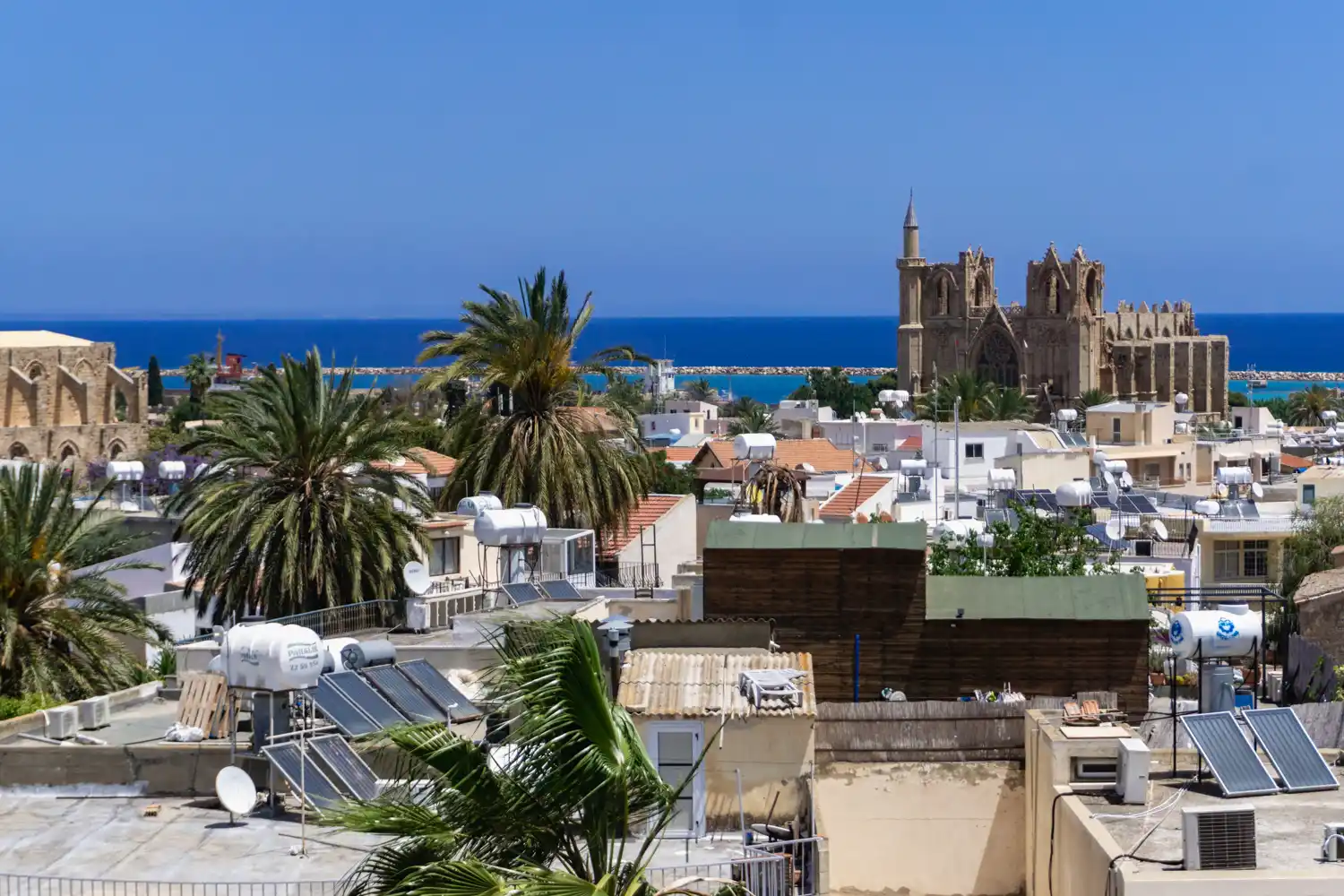
Knights Templar sites in Cyprus: Other Hidden Footprints Across Cyprus
If the Top 5 sites whetted your appetite, there are several more locations where the Order’s influence is still felt in the names of the villages and the layout of the land.
- Nicosia (The Paphos Gate): The Venetians destroyed the original Templar castle in the capital. The area around the Paphos Gate is where the 1192 Easter Day massacre took place—a bloody turning point in Cypriot history.
- The Mountain Peaks (St. Hilarion & Buffavento): While these are famous fairy-tale castles, the Templars were the elite “eyes in the sky” here, using the high altitudes to signal ships across the Mediterranean.
- Small villages like Templos (Zeytinlik), Khirokitia (UNESCO Neolithic huts, but look closer at the surrounding medieval ruins), Pano Arodes in the Akamas (Museum of Templar Ages).
Chasing Shadows of the White Mantle
The Knights Templar ruled Cyprus for only a single year, yet their presence shaped its spirit for centuries. Knights Templar sites in Cyprus remain some of the most intriguing places on the island, offering a glimpse into a hidden medieval past. Cyprus is still one of the best places on earth to walk in the footsteps of the warrior-monks. So, next time you visit, leave the beaches behind for a day and head into the hills. The shadows of the white mantle still linger, waiting to be found.
Sources:
- Visit Cyprus
- Britannica – Knights Templar
- Cyprus Department of Antiquities
- Helen Nicholson – The Knights Templar: A New History
Sources: