
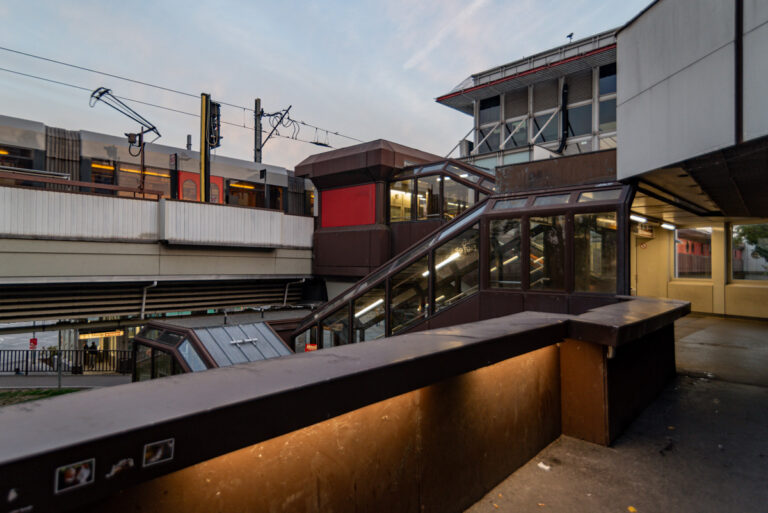
I created this itinerary for travelers who want to explore Vienna’s architecture beyond the popular tourist spots in the city center. Since Vienna is a large city, I have divided the architectural landmarks into groups. I have already visited some of these places.
If you are interested in architectural photography, allow extra time for each location. I recommend renting a car if you want to visit as many places as possible in a limited amount of time.
You can also use this itinerary as a starting point for planning your own activities beyond central Vienna. It is ideal if you want to add architectural landmarks to your existing travel plans and enjoy exploring the city on a self-guided tour.
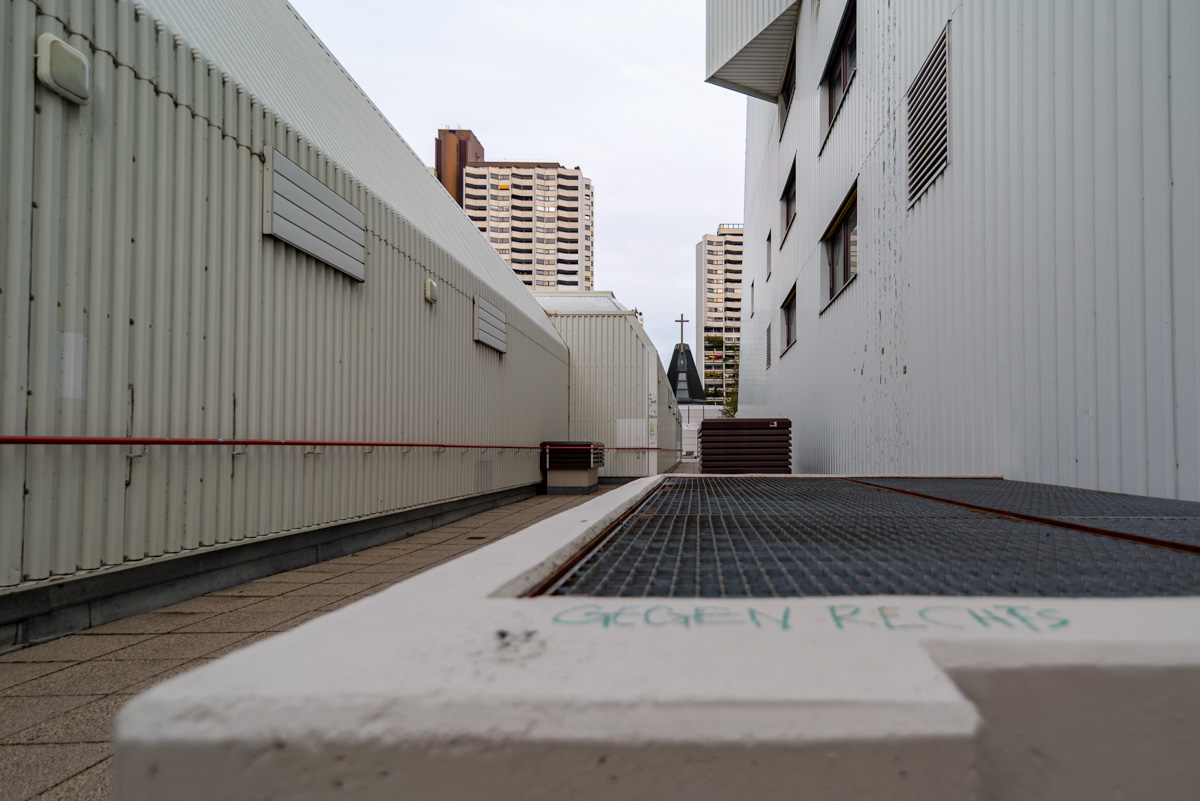
Day 1: WU Vienna
WU Vienna is home to the striking Library & Learning Center designed by Zaha Hadid. The university campus also features buildings by several internationally renowned architectural firms.
If you have limited time, focus on the library. However, I recommend exploring the rest of the campus if your schedule allows.
Important: Photography on campus requires prior approval and an official permit, including photography in outdoor areas. Submit your application at least one week in advance. Check the library’s opening hours before visiting if you want to see its interior. The campus grounds remain publicly accessible outside building opening hours.
You can also explore the nearby Prater area or visit one of Vienna’s historic flak towers if you want to extend your architectural itinerary.
Day2: Vienna Peace Pagoda + Gasometer
Start your day at Gasometer, a former gas storage complex transformed into a mixed-use development. The U3 metro station makes it easy to reach from central Vienna.
If you have time, walk to St. Marx Cemetery to see Mozart’s memorial grave. This historic cemetery also features old gravestones and mature trees. Allow around 20 minutes to walk there from Gasometer.
You can then continue to the Vienna Peace Pagoda, a Buddhist monument on the banks of the Danube. It offers a peaceful contrast to Vienna’s industrial architecture. Visitors describe the surrounding area as particularly picturesque during cherry blossom season.
The pagoda is listed as open 24 hours, although access to the temple interior may be more limited. Check public transport connections before setting off. The walk from Gasometer takes around 50 minutes, so consider taking public transport for this part of the trip.
Day 2: Karl-Marx-Hof + Spittelau + Donaukanal graffiti
This route combines Vienna’s social housing history, Japanese-inspired garden design, an unusual piece of industrial architecture and the city’s street art scene. You can explore it entirely by public transport and on foot. Allow at least half a day for this route.
1. Karl-Marx-Hof
Karl-Marx-Hof is one of the most significant examples of Vienna’s municipal housing architecture. Built between 1927 and 1930 and designed by architect Karl Ehn, the complex became a symbol of Red Vienna, the period when the city’s Social Democratic administration invested heavily in public housing.
The development contains 1,274 apartments and was designed to provide working-class families with healthier living conditions. Its monumental facade, large courtyards and communal facilities reflect an ambitious approach to social housing that went beyond simply providing accommodation.
2. Setagayapark
How to get there: Take the U4 metro to Heiligenstadt, the line’s northern terminus, and walk to Karl-Marx-Hof.
After exploring Karl-Marx-Hof, visit Setagayapark, a small Japanese-style garden in the nearby Döbling district.
Landscape architect Ken Nakajima designed the garden in 1992. It commemorates the cultural connection between Döbling and Setagaya, a district of Tokyo. The garden features ponds, streams, stone lanterns, a traditional-style tea house and ornamental plants. Cherry trees and azaleas add seasonal colour.
Visitor tip: Check the seasonal opening schedule before visiting. Setagayapark closes during the winter months, generally from December through February.
3. Spittelau Waste Incineration Plant
From Setagayapark, continue to Spittelau, one of Vienna’s most distinctive examples of industrial architecture.
The waste incineration plant began operating in 1971 to supply district heating to the new General Hospital. After a major fire in 1987, the facility was redesigned with an artistic exterior by Austrian artist and architect Friedensreich Hundertwasser. It reopened in 1992 with its colourful facade, irregular shapes and iconic golden sphere.
The building is more than an architectural landmark. It processes waste to generate district heating and electricity, combining a functional urban infrastructure facility with Hundertwasser’s distinctive visual style.
If you are interested in architecture that challenges the boundary between engineering and art, Spittelau is well worth a stop. You can appreciate the exterior without planning a visit inside.
The University of Vienna’s UZA II complex is also nearby, making this area interesting for visitors who enjoy exploring less conventional university and institutional architecture.

4. Walk along Donaukanal and explore the graffiti
After visiting Spittelau, head towards Donaukanal, where the embankments feature extensive graffiti and street art.
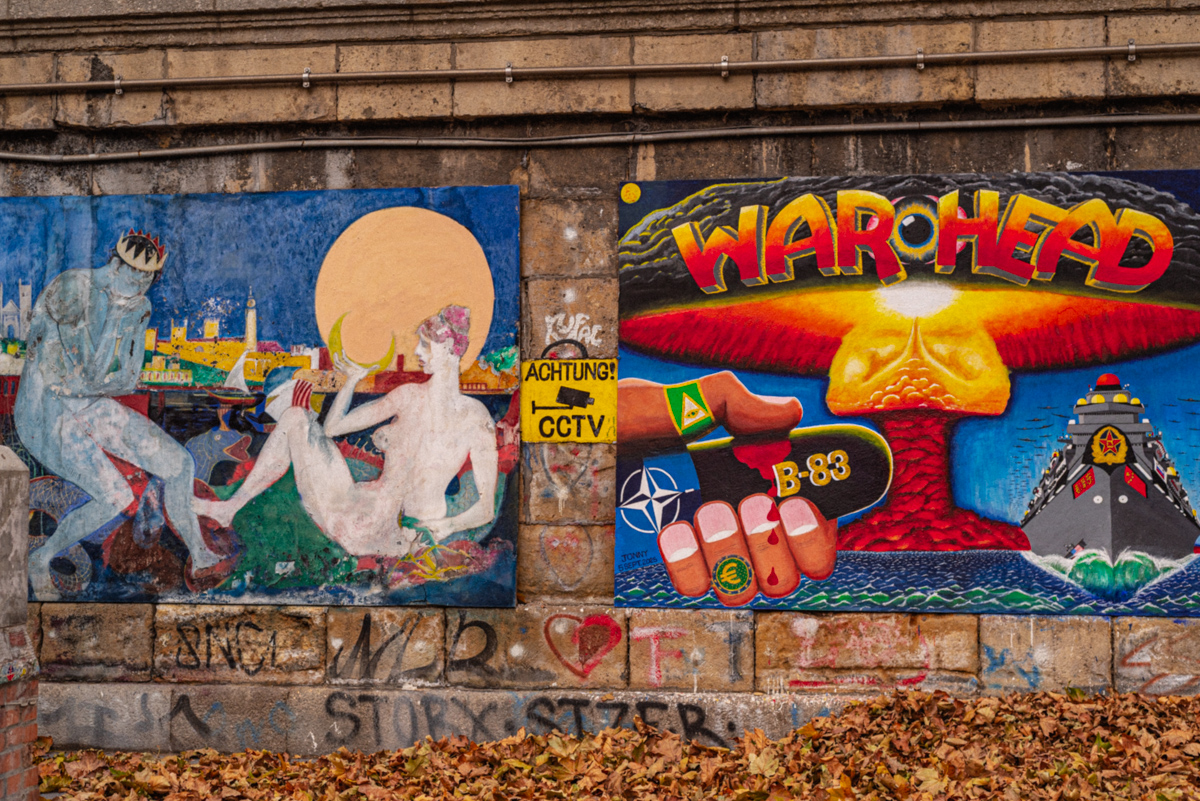
Instead of monumental historical buildings, you will find changing murals, painted concrete walls, waterside paths, street workout areas and urban details. Some sections function as open-air galleries, although the artwork may change over time.
You can walk south towards the city centre, stopping whenever you find interesting artwork or viewpoints. This section is especially suitable for street photography and documenting Vienna’s contemporary urban culture.
I have already explored part of this route, walking from Spittelau towards Stadtpark. You can read my separate guide to the walk along Donaukanal here.
If you prefer cycling, the canal is also a good area to explore on two wheels.
An alternative to walking: a boat cruise
If you would rather see the area from the water, consider a sightseeing cruise along Donaukanal instead of walking the entire route.
DDSG Blue Danube operates a circular City Cruise departing from Schwedenplatz. The trip takes approximately 75 minutes and passes several urban landmarks, including Spittelau, the Zaha Hadid House and graffiti-covered sections of the canal.
Note that the cruise departs from Schwedenplatz, not Spittelau. You will need to return to the city centre by public transport to board.
If you prefer sightseeing from the water, consider a boat cruise instead of walking along Donaukanal. Several sightseeing cruises depart from central Vienna, with options ranging from short city trips to longer experiences with food and drinks.
Browse Boat Cruises
Day 3: Alterlaa + Wotrubakirche
This itinerary combines two very different examples of Vienna’s architecture. Wohnpark Alterlaa is a vast residential complex designed around everyday life, while Wotruba Church stands out for its unusual sculptural form. I have visited both places, although on separate days. They can easily be combined into one trip if you allow enough time to explore and take photographs.
1. Wohnpark Alterlaa
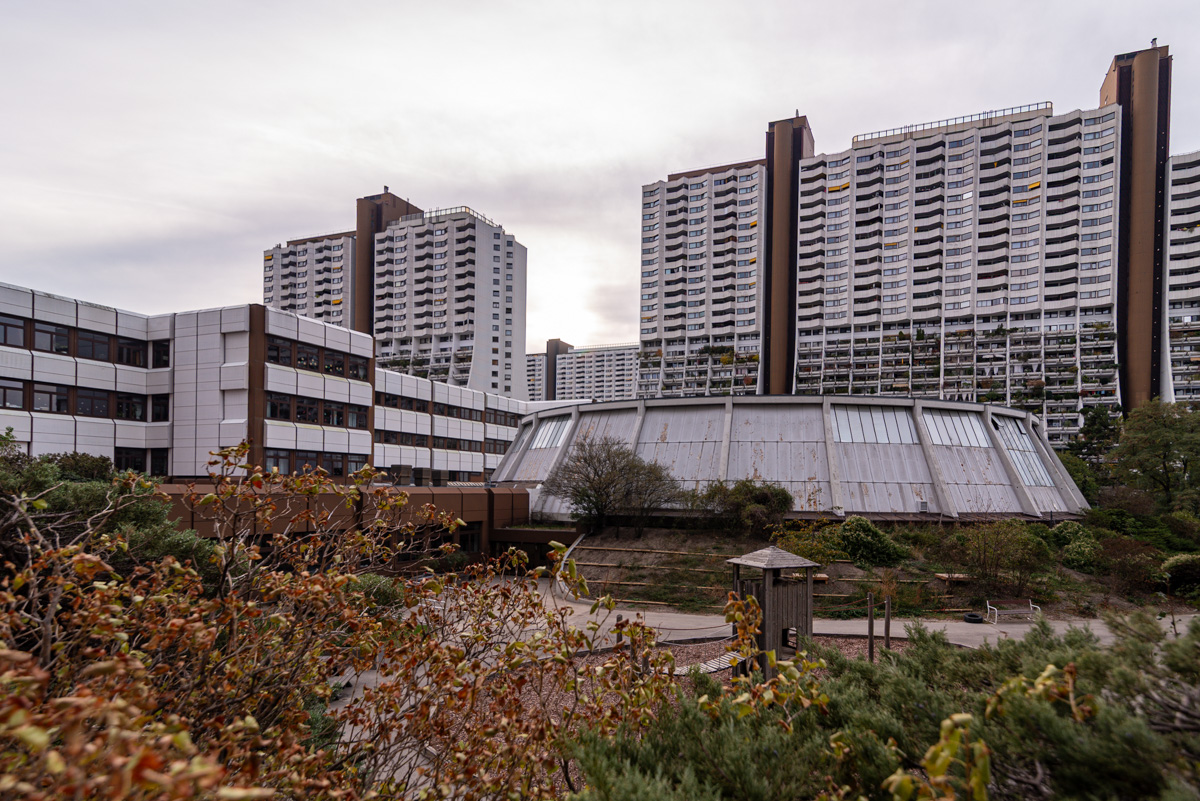
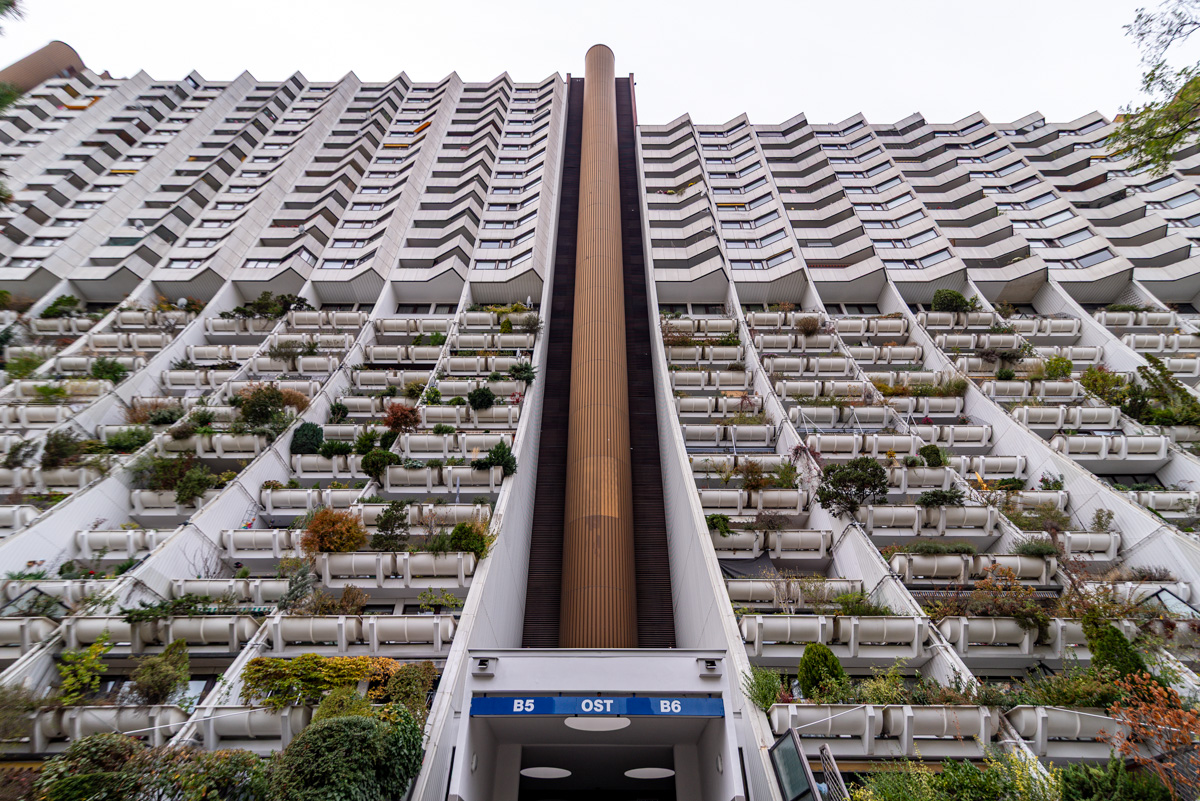
Wohnpark Alterlaa is a large residential complex that feels almost like a small city within Vienna. Its distinctive high-rise buildings, communal facilities and green spaces make it an interesting destination for anyone interested in modernist architecture and urban planning.
I spent around two hours exploring the area, but you could easily stay longer. Alterlaa has much more to offer than its striking residential towers. You will find shops, restaurants, a church and various everyday amenities within the complex. The outdoor spaces between the buildings also feature playgrounds and graffiti, making the area worth exploring beyond its main architectural landmarks.
This is also a good destination for families travelling with children. They can enjoy the playgrounds while adults explore the architecture and public spaces.
When to visit: I recommend visiting on a weekday when the shops and other businesses are open. Saturday is another good option if you want to experience the area as a lively residential neighbourhood. I have not visited the church interior, so check its opening hours if you would like to see it.
Allow around two hours for photography and exploration, or longer if you want to visit the shops, stop for a meal or take a more relaxed approach.
2. Wotruba Church
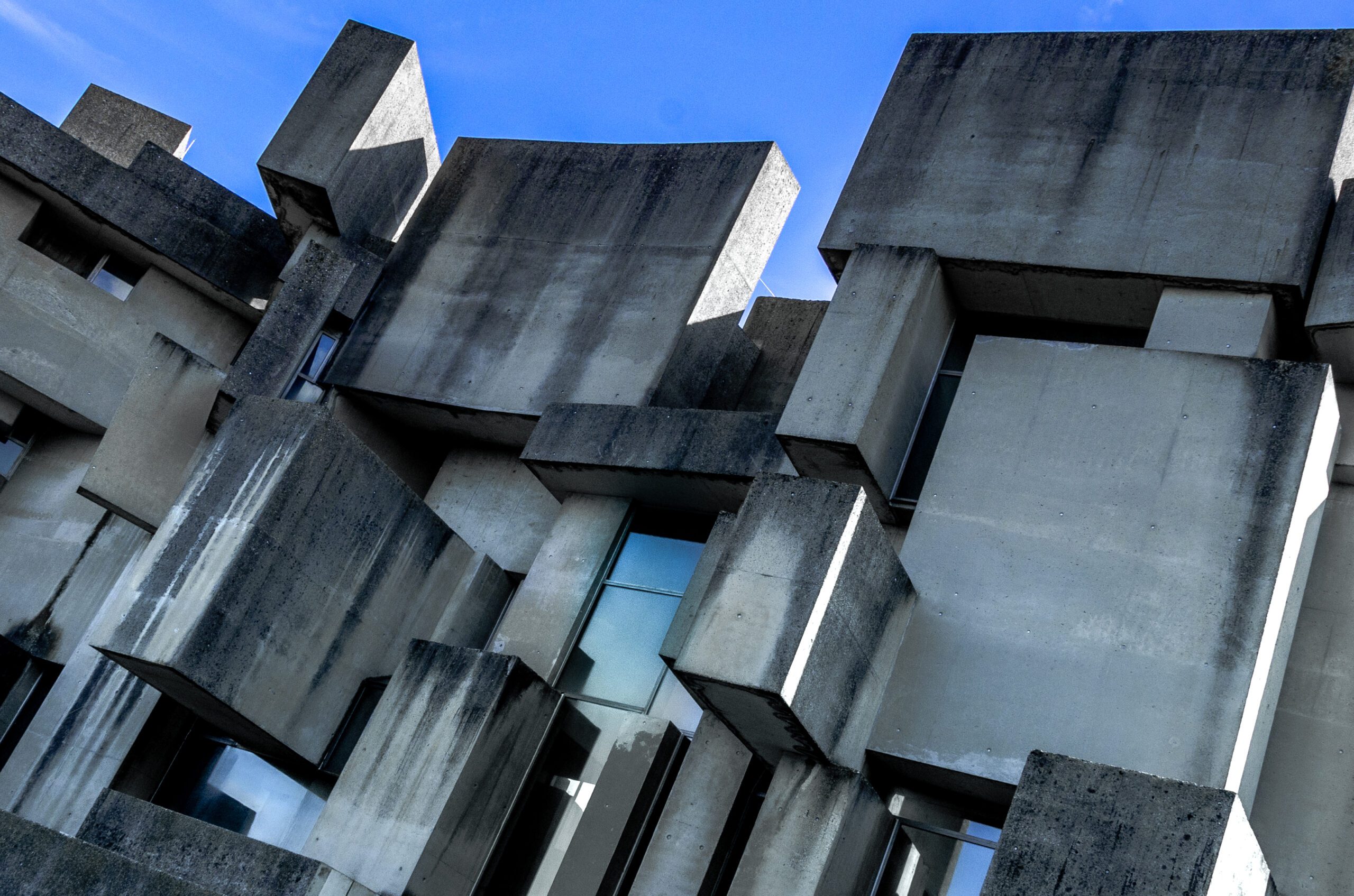
Wotruba Church, officially known as the Church of the Most Holy Trinity, is one of Vienna’s most unusual brutalist architectural landmarks. Designed by sculptor Fritz Wotruba and completed in 1976, it consists of massive, irregular concrete blocks arranged in a sculptural composition.
The church stands on an elevated site surrounded by greenery, giving it a distinctive setting away from the busy city centre.
When I visited, I found that the grounds were also a pleasant place to spend some time. Some visitors came to admire the architecture, while others seemed to be enjoying the peaceful surroundings or walking their dogs. The setting could also work well for a picnic, provided you respect the church grounds and other visitors.
Visitor tip: Access to the church interior may be limited to services and other scheduled occasions. However, the glass in the entrance doors allows you to look inside when the building is closed, although visibility may depend on the conditions.
Allow around an hour for the visit and photography. You can easily spend longer if you want to relax, enjoy the surroundings or explore the area on foot.
Can you visit both places in one day?
Yes. I visited Alterlaa and Wotruba Church on separate trips, but combining them makes sense if you want to explore Vienna’s architecture beyond the historic centre.
The two locations are roughly an hour apart on foot, depending on your exact route. You can also use public transport to reduce the walking time. If you prefer architectural photography, I recommend allowing at least half a day for both places.
Start with Alterlaa if you want to see its shops and everyday life while businesses are open. Then continue to Wotruba Church for its striking concrete architecture and quieter surroundings.

Day 4: Zentralfriedhof + Friedhof der Namenlosen
Vienna’s cemeteries offer a different perspective on the city’s history, architecture and relationship with death. This itinerary combines the monumental Zentralfriedhof, known for its famous graves and impressive funerary architecture, with the much smaller Friedhof der Namenlosen, a secluded cemetery near the Danube.
1. Zentralfriedhof (Vienna Central Cemetery)
Vienna Central Cemetery is one of the largest cemeteries in Europe and a destination in its own right. Its extensive grounds contain elaborate tombs, historic monuments, religious buildings and tree-lined avenues.
The cemetery is also the final resting place of numerous notable figures. You can visit the graves of composers Ludwig van Beethoven, Franz Schubert, Johannes Brahms and Johann Strauss II, as well as musician Falco and architect Adolf Loos. Mozart is commemorated here with a memorial grave, although his actual burial place is elsewhere.
Beyond its famous graves, Zentralfriedhof is worth exploring for its funerary sculpture, monumental tombs and changing atmosphere throughout the grounds. It is interesting if you enjoy cemetery photography, historical architecture or quiet walks away from Vienna’s busiest tourist areas.
Allow enough time: The cemetery is enormous, so you will not be able to explore everything in a short visit. Plan at least two hours if you want to see selected famous graves and photograph the architecture. You could easily spend half a day here if you prefer a slower pace.
Check the opening hours before visiting. They change throughout the year. From 3 November to the end of February, the cemetery is open daily from 8 am to 5 pm. During the warmer months, it stays open later.
Vienna Central Cemetery is known for its elaborate tombs, funerary sculptures and the graves of famous composers and other notable figures. A guided walking tour can help you discover its history, learn more about its famous graves and find details you might otherwise miss.
Browse Cemetery Tours2. Friedhof der Namenlosen (Cemetery of the Nameless)
Friedhof der Namenlosen is a small, secluded cemetery near Albern Harbour in Vienna’s 11th district. It is a very different experience from Zentralfriedhof, both in scale and atmosphere.
Between 1840 and 1940, people whose bodies were recovered from the Danube were buried here. Many could not be identified, and some deaths remained unexplained. The cemetery became a final resting place for people who might otherwise have been forgotten. The last burial took place in 1940.
Simple iron crosses mark the graves. Some bear inscriptions such as unknown, while others include a name or a date. The older cemetery grounds have largely been reclaimed by vegetation.
The cemetery lies behind an embankment, surrounded by the industrial landscape of Albern Harbour. Large warehouses, grain silos and the sounds of industrial activity contrast with the quiet, contemplative atmosphere among the graves.
Visitor experiences vary. Some people describe the cemetery as peaceful and moving, while others find its history and isolated setting unsettling.
Friedhof der Namenlosen is particularly suited to visitors interested in forgotten histories, unusual places and cemetery photography.
Getting there: Reaching the cemetery takes more planning than visiting Zentralfriedhof. Public transport options include bus 76A or 76B, with a walking path of approximately 600 metres from the terminus to the cemetery. Depending on your starting point and connections, allow roughly an hour or more from central Vienna. A taxi is another option if you want to avoid the additional journey through the industrial harbour area.
The cemetery is small, so around 30–60 minutes may be enough to explore it at a relaxed pace. The chapel and mortuary can be visited by appointment. Photography and recording are permitted for private purposes. Commercial photography requires permission from the landowner.
Can you visit both cemeteries in one day?
Yes, but allow plenty of time for travel and exploration. I recommend visiting Zentralfriedhof first, as it has much more ground to cover. Zentralfriedhof offers monumental graves, architecture and famous names, while Friedhof der Namenlosen provides a quieter, more intimate encounter with the stories of people whose identities were lost.
If you plan to explore Vienna’s architecture over several days, choosing the right base can make your itinerary easier. Look for accommodation with convenient public transport connections to the areas you want to visit, especially if you are travelling without a car.
Use the interactive map below to compare accommodation options and find a place that suits your plans and budget.
Final Words
Vienna is a large city, and visiting all these architectural landmarks in one day is possible, but you would have limited time to explore each place. Travelling by car would make it easier to cover more locations, while using public transport or cycling requires more planning and time between stops. I hope this itinerary helps you plan your own architectural adventure and discover a different side of Vienna beyond the historic city centre.
Sources:
Sources: