
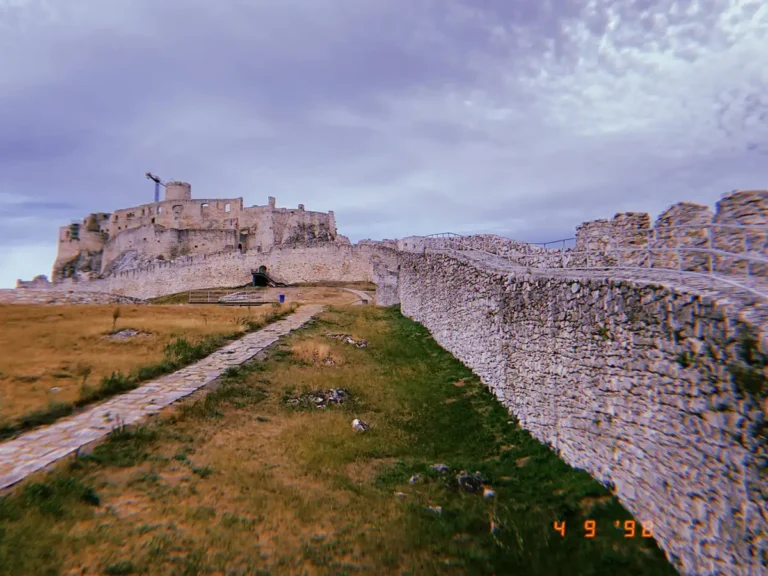
Spiš Castle is one of the most spectacular landmarks in eastern Slovakia. It rises above the Spiš region from a hilltop surrounded by mountains, fields, and rolling countryside. I have visited the castle many times since I was a child. Recently I decided to return and photograph it again, as I realized I didn’t actually have any photos from my previous visits.
My connection to Spiš Castle and the surrounding region goes back even further. One of my grandmothers used to live in the nearby village of Hermanovce, where I spent many summers. When my parents came to pick me up on Sundays, they would often turn the journey home into a little trip and take me to visit places in the region.
In recent years, Hermanovce itself has become better known thanks to the beautifully renovated Péchy Castle. The historic estate has been transformed into an elegant retreat where, on occasion, you can even spot members of European royal families. Péchy Castle can also be an interesting option if you are looking for a more unusual place to stay while exploring Spiš and eastern Slovakia.
In this guide, I will share what to expect when visiting Spiš Castle today, including how to get there, what to see inside, where to stay nearby, and some of my favorite photography spots.
Where Is Spiš Castle Located?
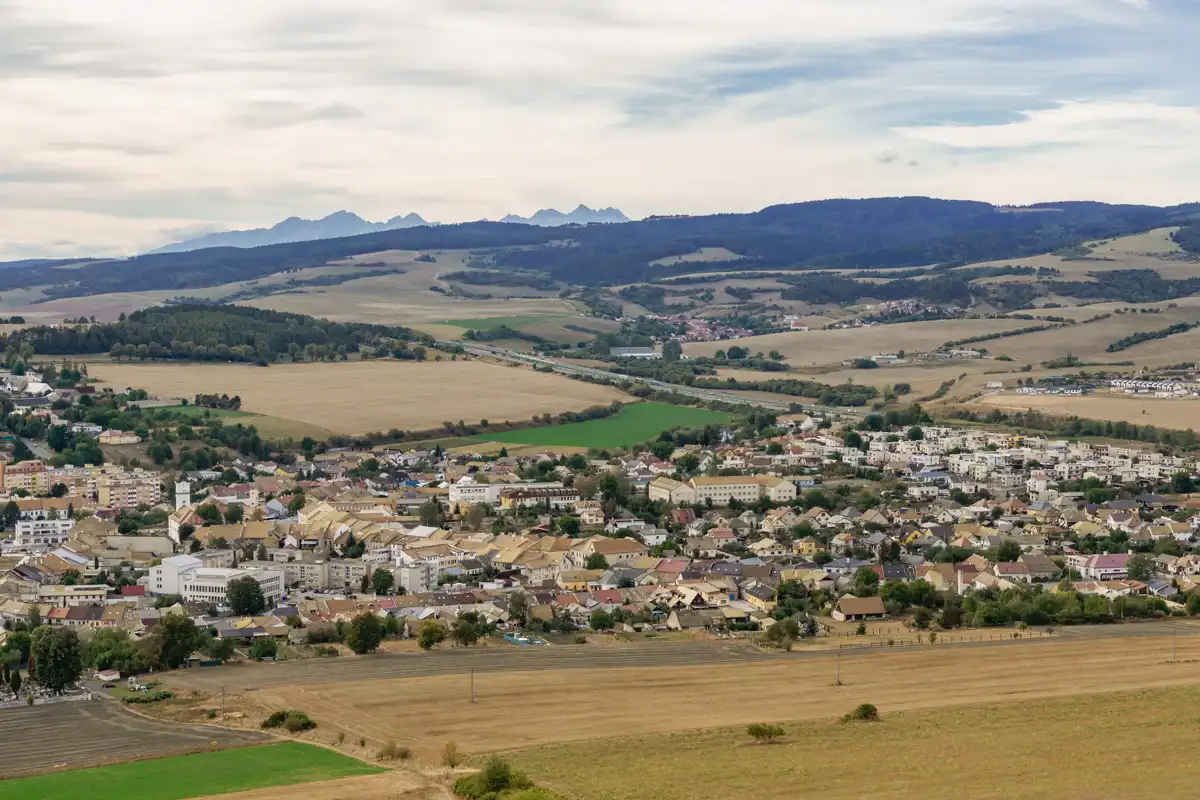
Spiš Castle lies on a steep hill near the town of Spišské Podhradie. The town has a population of around 3,775 people. To me, it felt surprisingly small and reminded me of Bački Petrovac in Serbia. Of course, the two places are very different, but they have a similar small-town atmosphere.
Spišské Podhradie has a long history of German settlement. German settlers arrived in the area during the 12th century. You can still see traces of this history today. When you visit the local cemetery, look at the older graves. You will notice many German surnames among them.
Another historic settlement lies just outside Spišské Podhradie. Spišská Kapitula is home to an impressive Gothic cathedral. The historic complex is sometimes called the Slovak Vatican. It is one of the most interesting places to visit near Spiš Castle.
The center of Spišské Podhradie is quite compact. A small square is surrounded by several Renaissance merchants’ houses. The town also has a historic synagogue. It is one of the few surviving synagogues in this part of Slovakia.
Because of its small size, Spišské Podhradie is easy to explore before or after visiting the castle. You can combine the town, Spišská Kapitula, and Spiš Castle into one trip.
The Early History of Spiš Castle
Spiš Castle was built in the 12th century on the site of an earlier fortified settlement. Its strategic position made the hill important for controlling the surrounding region.
The original stone castle formed part of the defensive system of the medieval Kingdom of Hungary. It gradually expanded over the following centuries as its owners added new buildings and fortifications.
The castle became an important political and administrative center in the Spiš region. It also belonged to several powerful noble families throughout its history.
One of the most significant periods came during the 15th century. The castle was rebuilt and expanded under the Zápolya family.
The complex eventually became one of the largest medieval castle sites in Central Europe. Today, much of the castle survives as impressive ruins spread across the hilltop.
How Spiš Castle Changed Over the Centuries
Spiš Castle changed significantly during its long history. Different owners expanded and rebuilt the complex over several centuries.
The castle gained new fortifications, palaces, and other buildings as its importance grew. The Zápolya family carried out major late Gothic rebuilding during the 15th century.
Later, the Thurzó family added Renaissance buildings and adapted the fortifications for artillery. The Csáky family also made further changes to the castle complex.
By the 18th century, the castle was already in poor condition. A major fire broke out in 1780 and marked the beginning of its gradual decline. The castle eventually became a ruin after it was abandoned.
Today, Spiš Castle is undergoing further restoration and conservation work. During my recent visit, I noticed several areas where reconstruction was still taking place.
According to the information displayed at the castle during my visit, the current reconstruction is expected to continue until 2027. This date may change as the restoration progresses, so check the latest information before your visit.
Is Spiš Castle a UNESCO World Heritage Site?
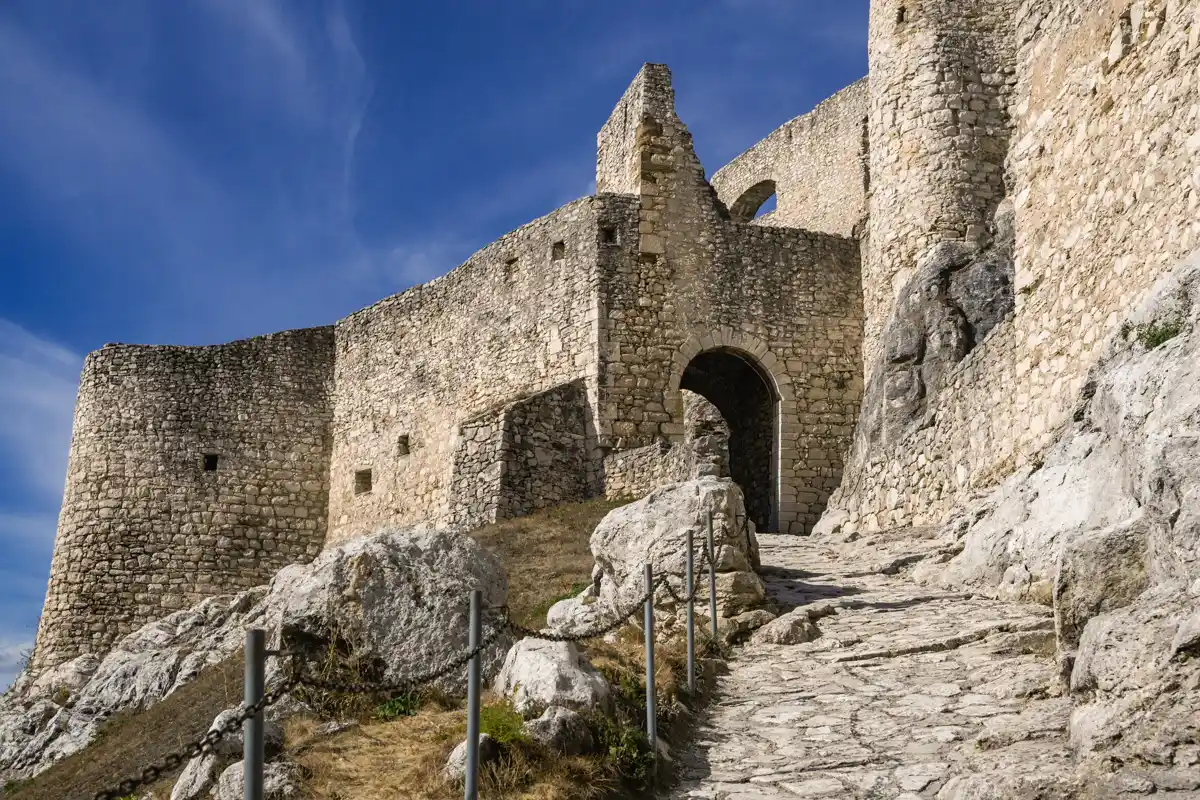
Yes. Spiš Castle has been part of the UNESCO World Heritage List since 1993. However, the UNESCO site includes more than just the castle itself.
The World Heritage property also includes Spišská Kapitula and the historic village of Žehra. Together, these places represent an important medieval settlement and cultural landscape in the Spiš region.
Žehra is particularly interesting because of its Church of the Holy Spirit. The small Romanesque-Gothic church dates back to the 13th century. Its interior contains valuable medieval wall paintings that have survived for centuries.
Spišská Kapitula is another important part of the UNESCO site. Its historic complex developed around the Cathedral of St. Martin and became an important religious center.
You can visit all three places during the same trip. They are located relatively close to each other and make a great addition to a visit to Spiš Castle.
How to Get to Spiš Castle
You can reach Spiš Castle by car or public transport. The best option depends on where you are coming from. If you are traveling around Slovakia, renting a car gives you much more flexibility. You can also combine the castle with Levoča, Spišská Kapitula, Žehra, or the High Tatras.
How to Get to Spiš Castle by Car
Driving is probably the easiest way to visit Spiš Castle. The castle is located near the main road between Prešov and Poprad. You leave the main road near Spišské Podhradie or continue towards the eastern side of the castle.
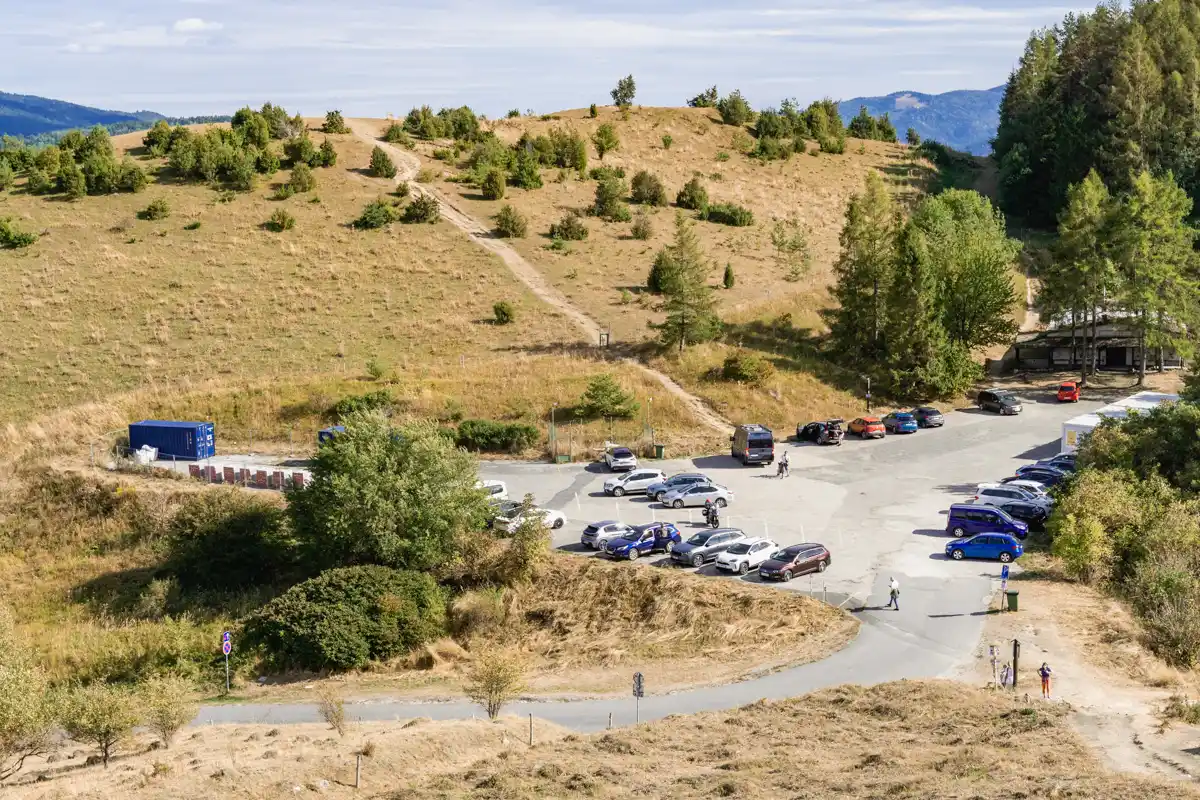
There are two main parking options. You can park in Spišské Podhradie, directly below the castle. From there, it takes around 30 minutes to walk to the entrance.
Another option is the eastern parking area near the road towards Žehra. This is the more convenient option if you want a shorter walk. From this parking area, the castle entrance is about 10 minutes away on foot.
The eastern parking area is also convenient if you want to visit Dreveník. A walking trail connects the area with this nearby natural and archaeological site.
How to Get to Spiš Castle by Public Transport
You can reach Spišské Podhradie by regional bus from several towns in eastern Slovakia. Current regional routes connect the town with Poprad, Levoča, and Prešov.
There is no train station directly at Spiš Castle. If you arrive in Spišské Podhradie, you still need to walk to the castle. The walk from the town to the castle entrance takes around 45 – 60 minutes.
Poprad is one of the more convenient starting points if you are staying in the High Tatras. You can take a regional bus towards Spišské Podhradie. Check the current timetable before your trip, as routes and departure times can change.
Poprad-Tatry Airport is also nearby. However, flight connections are seasonal and change frequently. I would check the current schedule before planning your trip around the airport.
For current connections, I recommend checking CP.sk. It lets you search train and bus connections across Slovakia.
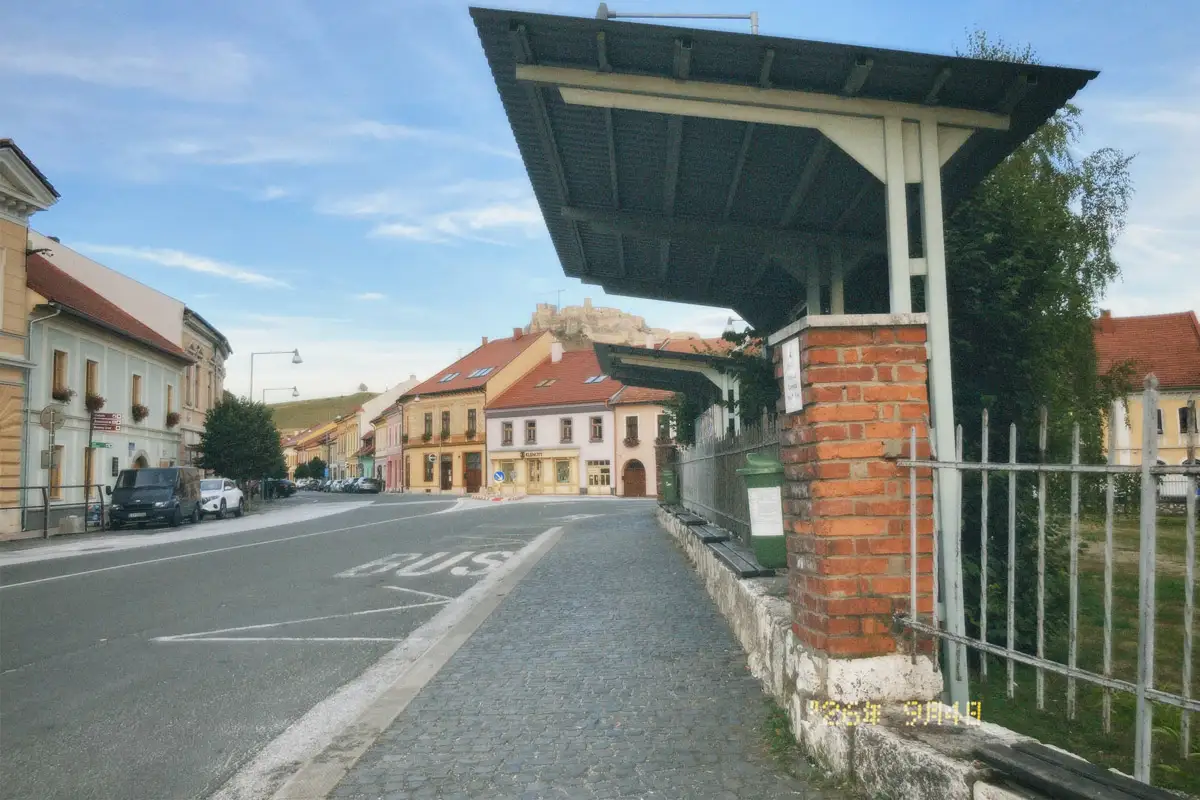
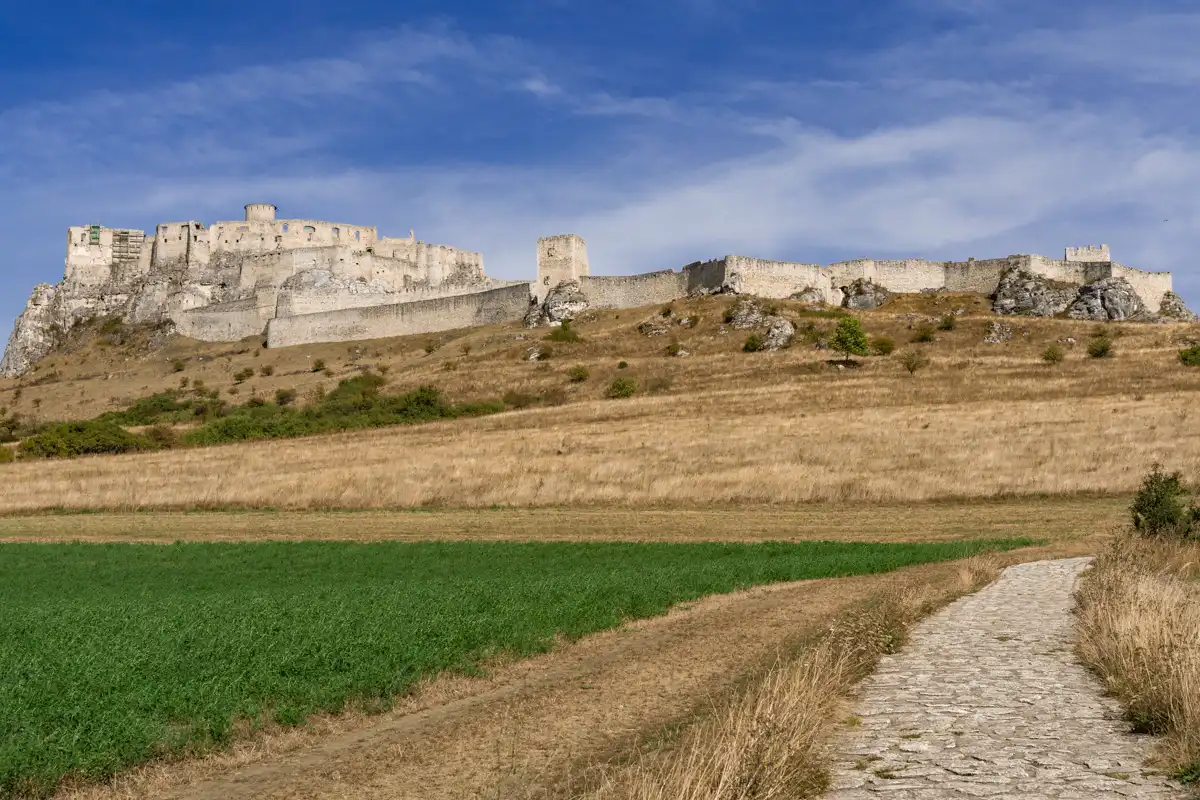
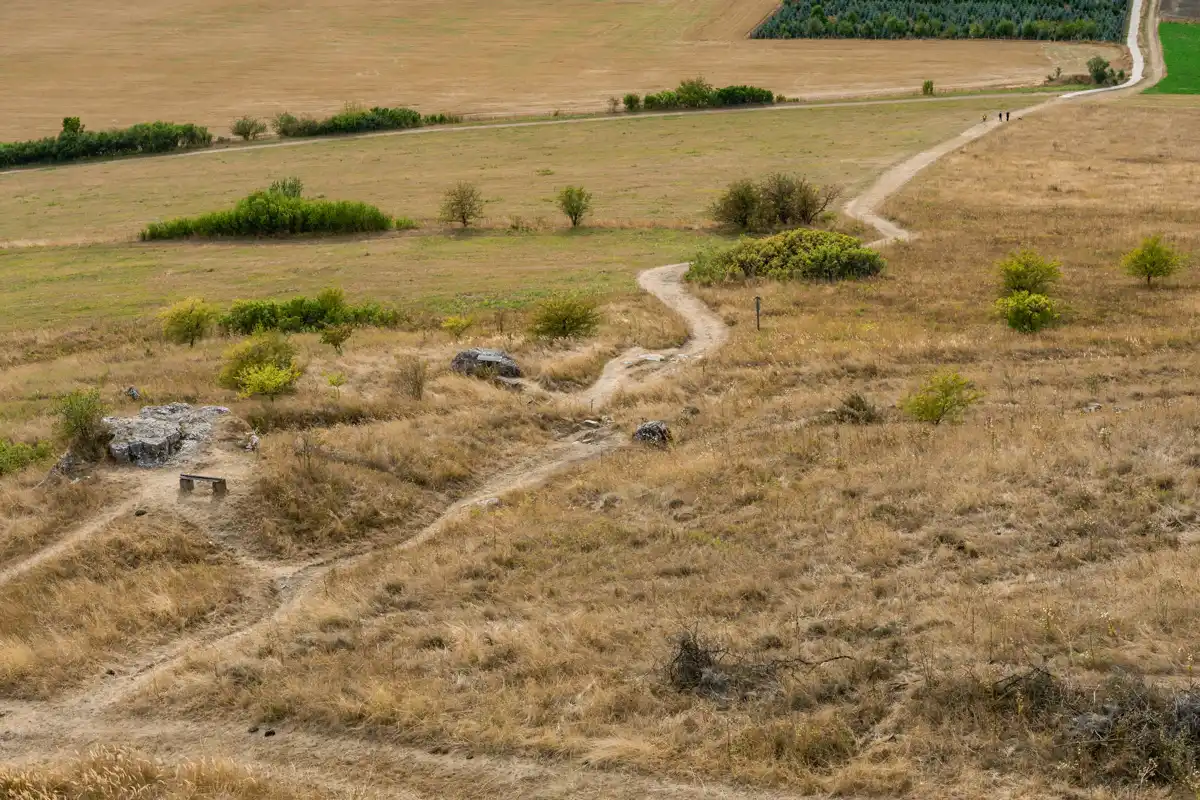
How to Get to Spiš Castle From Košice
If you are traveling from Košice, traveling by car is the simplest option. The drive takes roughly one hour, depending on traffic and your exact starting point.
Public transport is also possible, but it usually requires at least one change. You can check current connections through CP.sk and choose between several possible routes.
One option is traveling towards Prešov and continuing by regional bus. Another option is traveling towards Krompachy and continuing by bus towards Spišské Podhradie.
I took the Prešov route myself on a Friday afternoon in September 2026. I traveled between 1 and 3 PM, and the bus was fully packed with students. They appeared to be heading home to nearby villages after school.
If you choose this route, keep this in mind when planning your journey. Friday afternoon buses can be particularly busy during the school term.
The Krompachy route can be particularly interesting if you enjoy seeing the countryside along the way. Depending on the connection, you can also pass near Žehra and get a good view of its UNESCO-listed Church of the Holy Spirit.
I took this route on my way back from Spiš Castle. I traveled in the late afternoon and was rewarded with beautiful sunset views along the way.
Keep in mind that public transport schedules can change. Always check the connection for your specific travel date before leaving.
Want to see more of eastern Slovakia without figuring out the public transport? This small-group tour from Košice combines Spiš Castle with Prešov, Levoča, and Štrbské Pleso. Hotel pickup, transportation, and a local guide are included.
Where to Stay Near Spiš Castle
You can visit Spiš Castle as a day trip, but staying nearby gives you more time to explore the area. Spišské Podhradie has several guesthouses and small accommodation options.
I would recommend staying for at least two nights if you have enough time. Spiš Castle is only one of several interesting places nearby.
Stay in Spišské Podhradie
If you want to stay directly below the castle, Spišské Podhradie is the most convenient choice. The town has several guesthouses within walking distance of the castle and town center.
You will find options such as Penzion Chalupka and Penzion Podzámok near the castle. Another option is Penzión U Kastelána.
If you prefer staying in the historic part of the area, consider Penzion St. Martin in Spišská Kapitula. The town also has several apartments and other smaller guesthouses.
I noticed that Spišské Podhradie also attracts international visitors. During my recent visit, I met an English-speaking couple at the castle. Later, I saw them collecting their luggage near the bus stop.
This made me think that staying here makes sense for travelers without a car. You can use the town as a base for exploring Spiš Castle and the surrounding area.
Stay at Péchy Castle
For a completely different experience, you can stay at Péchy Castle in nearby Hermanovce. It is more ideal if you are renting a car. This is a much more luxurious option than the guesthouses in Spišské Podhradie.
Péchy Castle is a restored manor house surrounded by a large English-style park. The property offers boutique accommodation, a restaurant, wellness facilities, and several activities.
If you want to combine Spiš Castle with a quieter countryside stay, Péchy Castle is an interesting option. Check availability and prices at Péchy Castle.
How to Visit Spiš Castle
Here is some practical information to help you plan your visit to Spiš Castle.
Spiš Castle Tickets and Opening Hours
You can find the latest ticket prices on the official Spiš Museum website. The prices below are valid from April 2026.
An adult daytime ticket currently costs €12. This is a reduced price because of the ongoing reconstruction. The ticket does not include access to the upper castle. Students and older people pay €8, while children aged 6 to 18 pay €6. Children under six can enter for free. A family ticket costs €25 for up to four people. The ticket covers two adults and one child, one adult and three children, or two adults and two children.
The castle also offers night tours. An adult ticket costs €15, while the reduced ticket costs €10. A family night ticket costs €35.You can also book a guided tour for groups. The reservation fee for a group with a guide is €25.
Opening hours can change during the year. From May to September, the castle is open daily from 9 AM to 7 PM. The last admission is at 6 PM.
In October, the official opening hours are generally shorter. The castle is open from 9 AM to 6 PM, with the last admission at 5 PM.
The castle can also close because of bad weather or unsafe conditions. Always check the official website before your visit.
Important: The upper castle is currently closed because of reconstruction. This means that some of the areas you may see in older photos are not accessible.
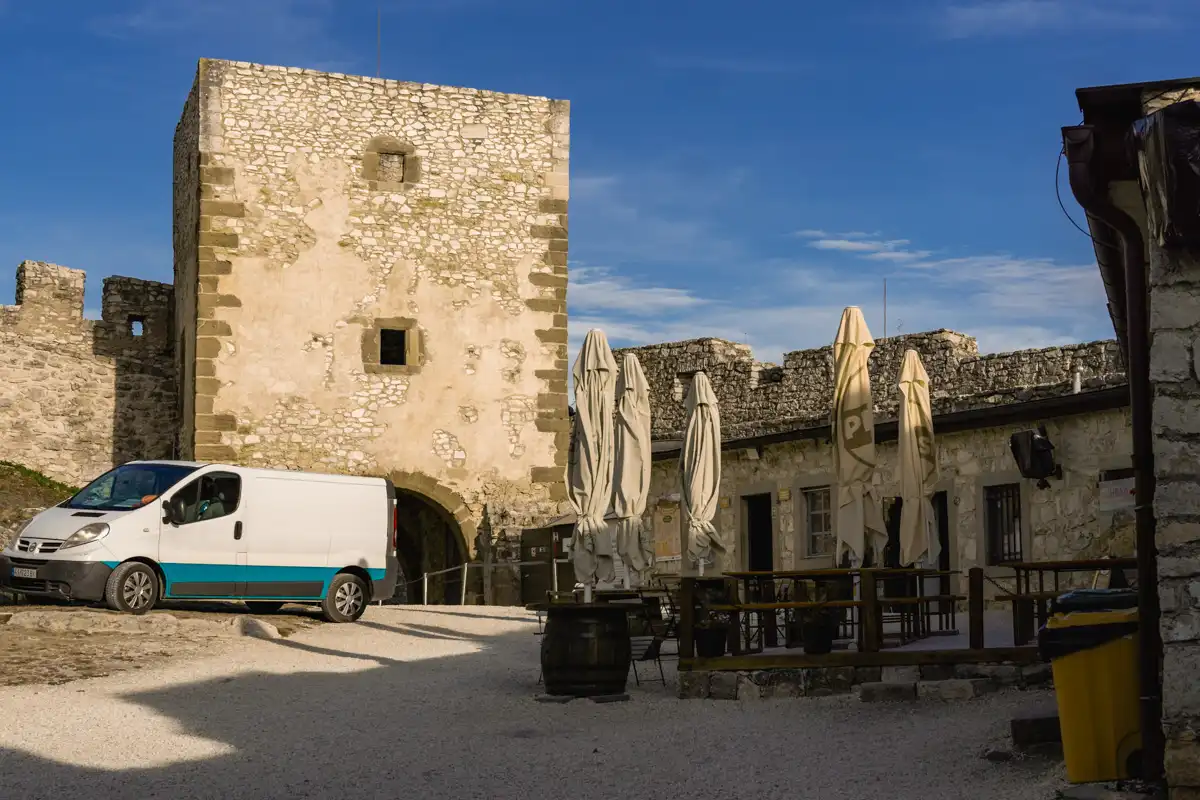
Food, Coffee and Facilities at Spiš Castle
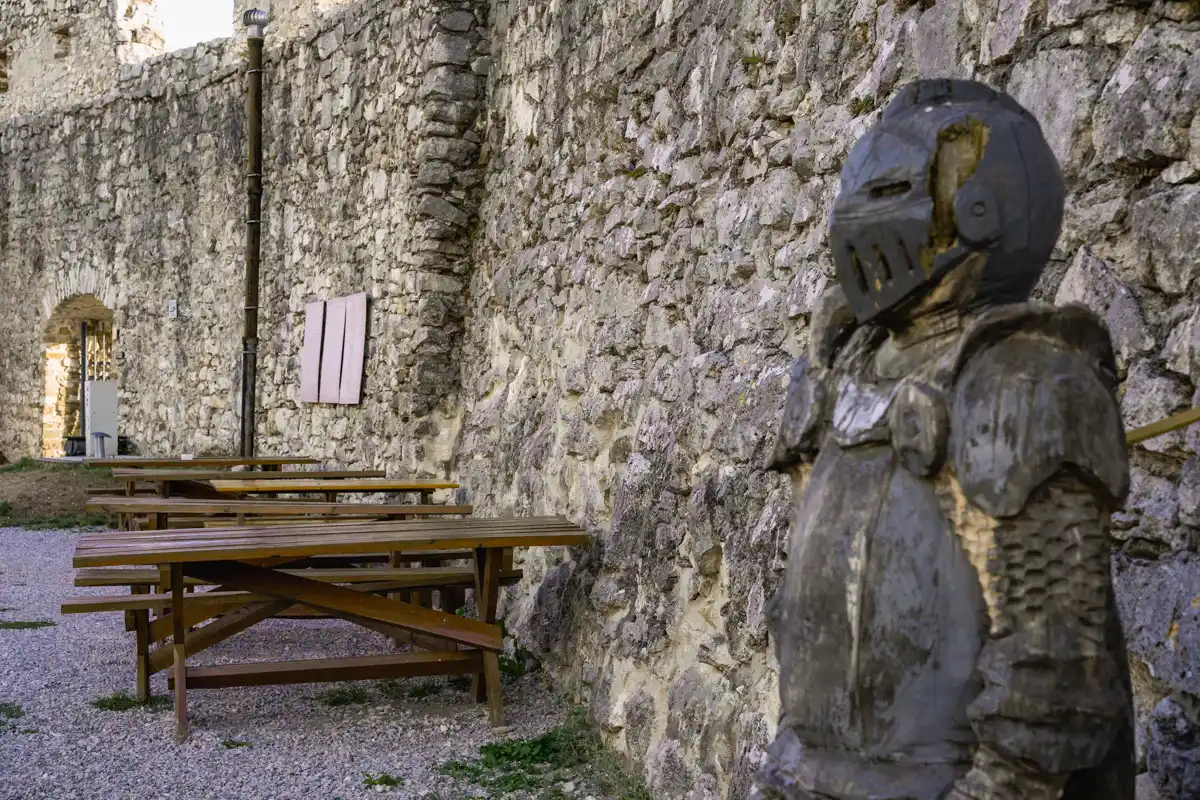
There are toilets available within the castle grounds. You can also find places to sit both indoors and outdoors. There are outdoor tables where you can sit and take a break. There is also a designated outdoor seating area for smokers. During my visit in September 2026, coffee cost around €3.50. A typical lunch cost around €10 per person.
I would recommend allowing some extra time for a coffee or lunch break. This is especially useful if you plan to spend several hours photographing the castle.
How Long Does It Take to Visit Spiš Castle?
You can see the main parts of Spiš Castle in about one hour. This is possible if you walk quickly and skip the audio guide.
I would recommend allowing at least two to three hours for a proper visit. This gives you time to explore the ruins, visit the accessible interiors, and take photos.You should allow even more time if you enjoy photography. The castle offers many different views of the surrounding countryside.
You may also want to stop for a coffee or something to eat. I would not plan this visit as a quick one-hour stop.
Is It Difficult to Walk Around Spiš Castle?
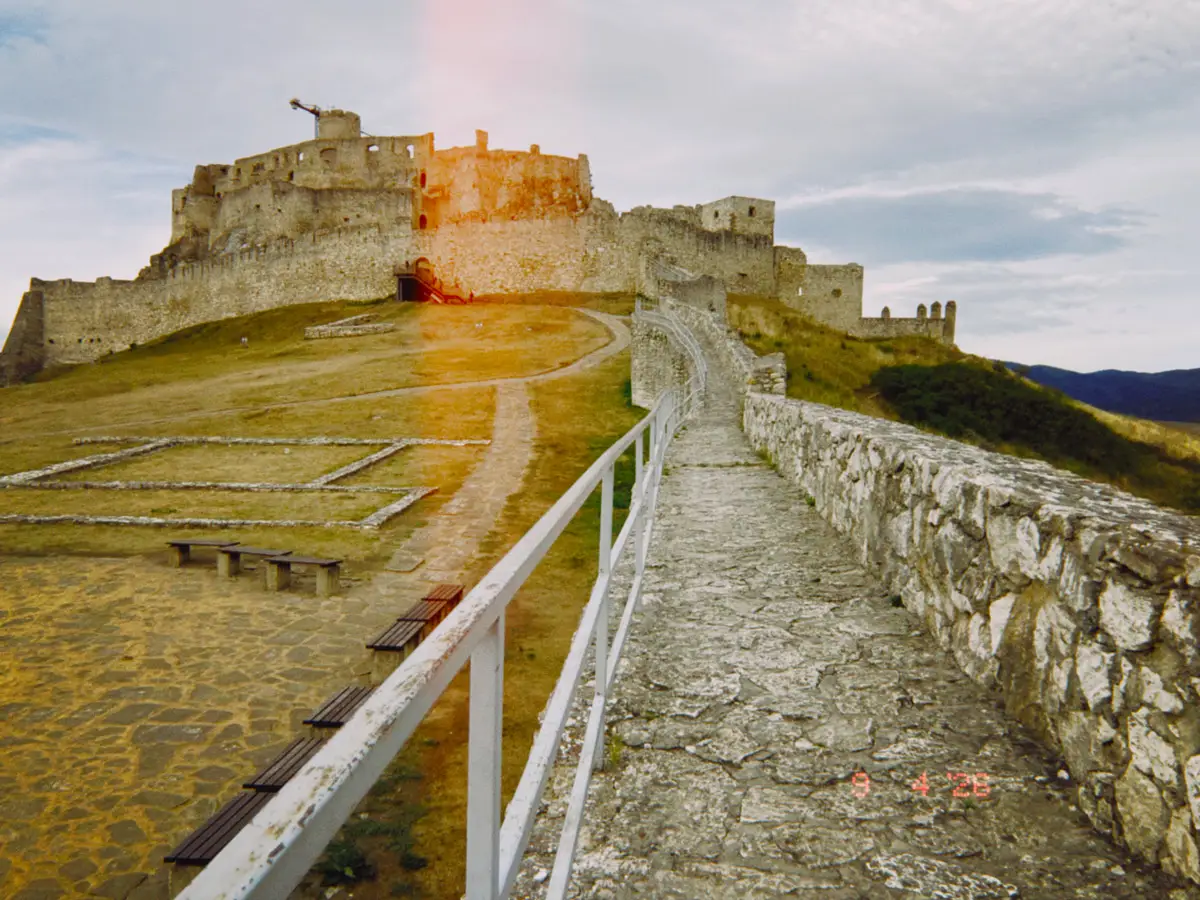
Visiting Spiš Castle requires some walking. If you arrive from Spišské Podhradie, the uphill walk can be quite demanding.
The climb can feel especially tiring on a hot summer day. There is little shade on some parts of the route. Once you reach the castle grounds, the terrain becomes more manageable. However, you will still walk over uneven ground and surfaces.
Some of the stone pavements inside the castle can be slippery. I recommend wearing comfortable shoes with good grip.
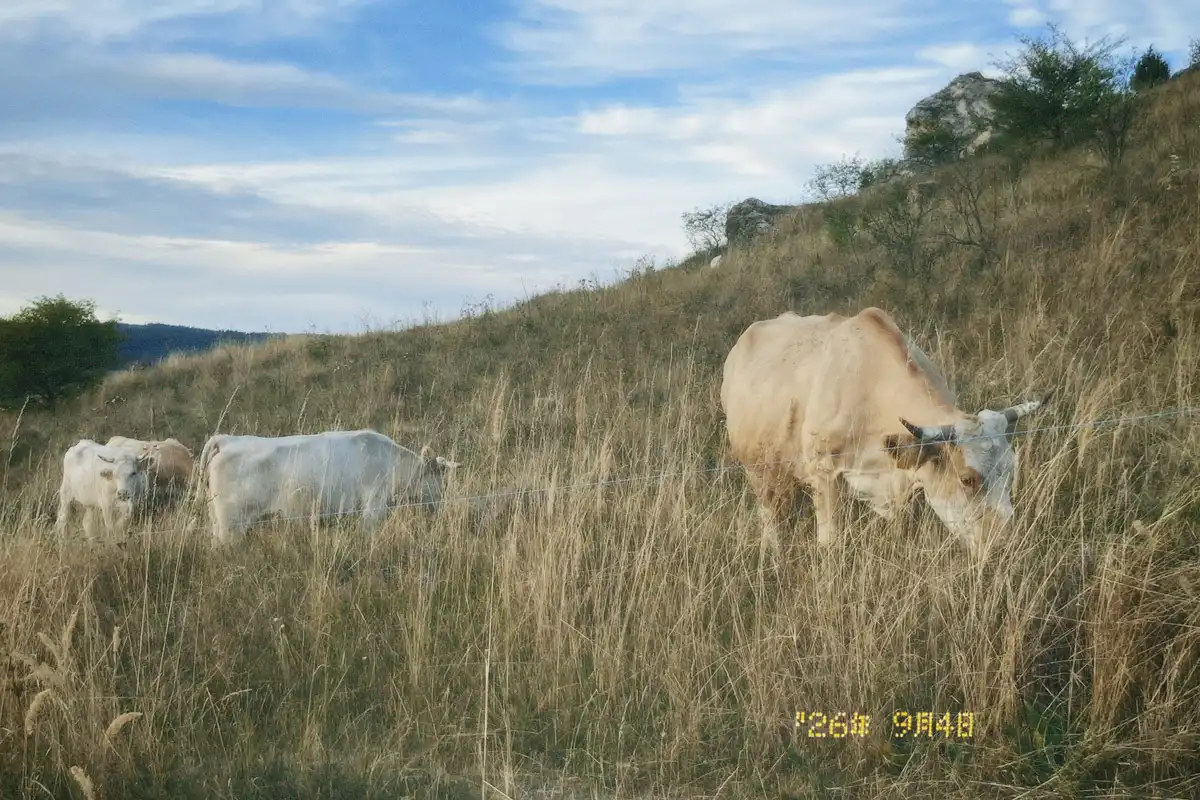
The castle hill is also home to various plants and animals. You may even encounter cows grazing around the castle grounds. They can leave rather noticeable souvenirs behind, so watch where you step.
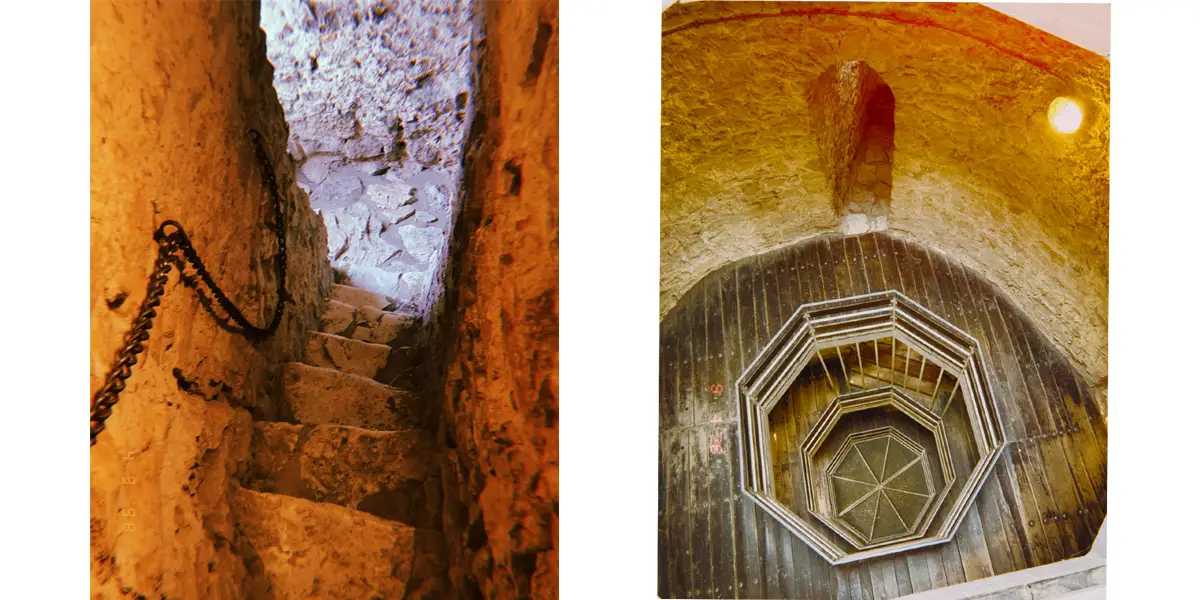
Some parts of the castle require climbing narrow stairs. One of the towers has a particularly narrow staircase inside the thick stone walls. There are chains in some sections to help you keep your balance. I would take extra care when the stones are wet.
If you have mobility limitations, check the current accessibility conditions before visiting. The historic terrain is uneven and includes steep sections.
Also keep the weather in mind. Spiš Castle is exposed on the hilltop, so conditions can change quickly. During my visit in September, it was almost 30°C while I was walking uphill.
Once I reached the castle tower, everything suddenly felt completely different. It became very windy at the top, and the sky looked like it was about to rain. When I walked back down, the weather changed again within about an hour. The sky cleared, and there was much less wind at the bottom.
This is another reason to bring water and a light layer, even on a warm day. Weather conditions at the castle can feel very different from those in the surrounding villages.
What to See at Spiš Castle
Spiš Castle covers a large area, so there is quite a lot to explore. The complex is divided into several courtyards and fortified sections.
At the moment, some parts are affected by ongoing reconstruction. The upper castle is currently closed to the public except the tower.
However, you can still explore the lower courtyard, walk along the castle walls, and visit several exhibitions. The accessible areas also offer great views of the surrounding Spiš countryside.
The Lower Courtyard
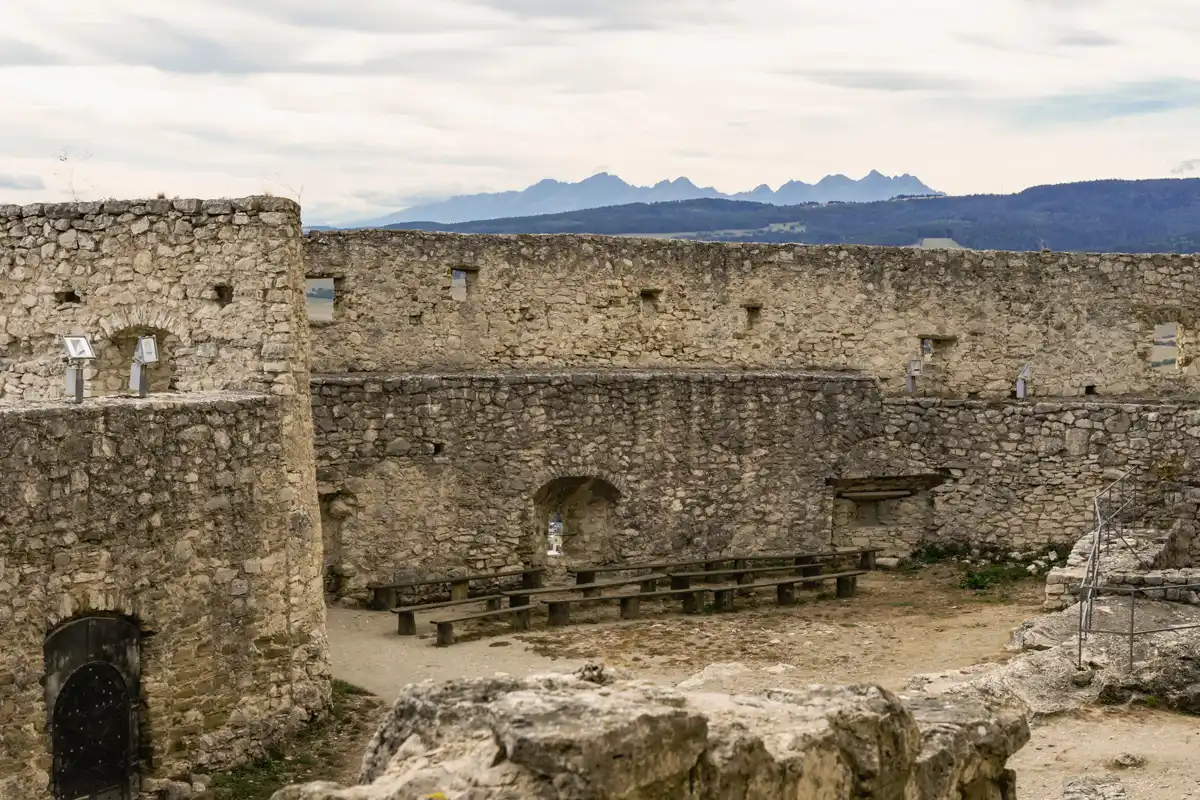
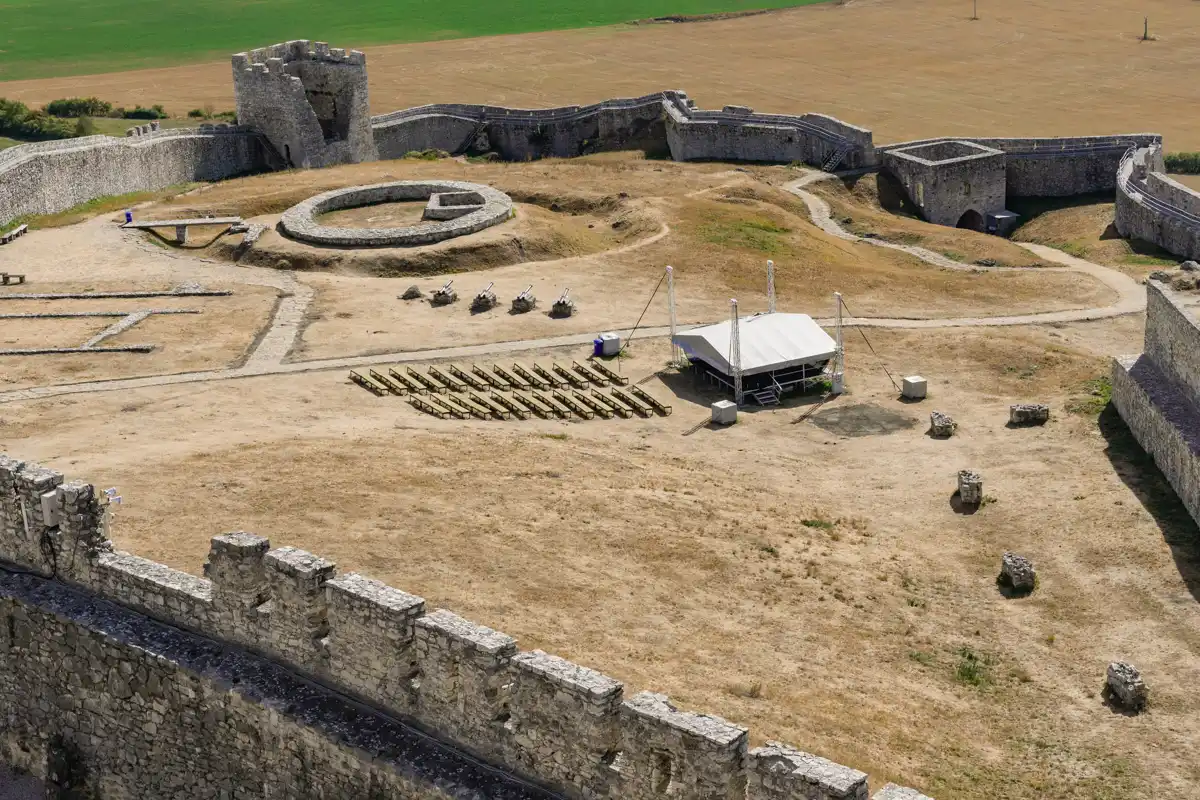
The lower courtyard is one of the most interesting parts of Spiš Castle. You can follow an educational trail through this part of the complex. Information panels explain the history and archaeological discoveries found around the castle. They make it easier to understand what you are looking at.
One of the interesting sites is the foundation of a circular fortress associated with the troops of Ján Jiskra. Jiskra controlled Spiš Castle during the 15th century.
The lower courtyard also contains the foundations of a prehistoric structure. Archaeologists believe it had a ritual or cult-related function.
You can also see the foundations of former economic buildings from the 17th century. These remains show how much the castle complex changed over the centuries.
Near the entrance to the middle castle, you can see a reconstructed section of a barbican. The original structure dates from the second half of the 14th century.
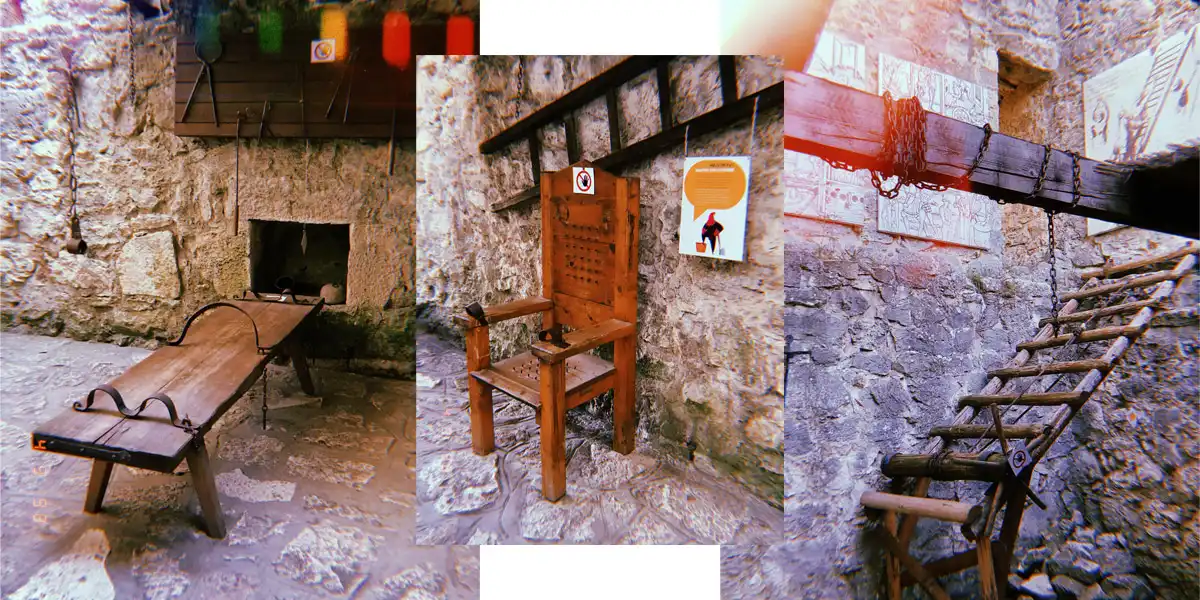
Another interesting feature is part of the northern fortification. It includes a defensive bastion that once protected the lower courtyard. One of the bastions contains examples of historical torture equipment. You can see items such as a torture wheel and a torture chair.
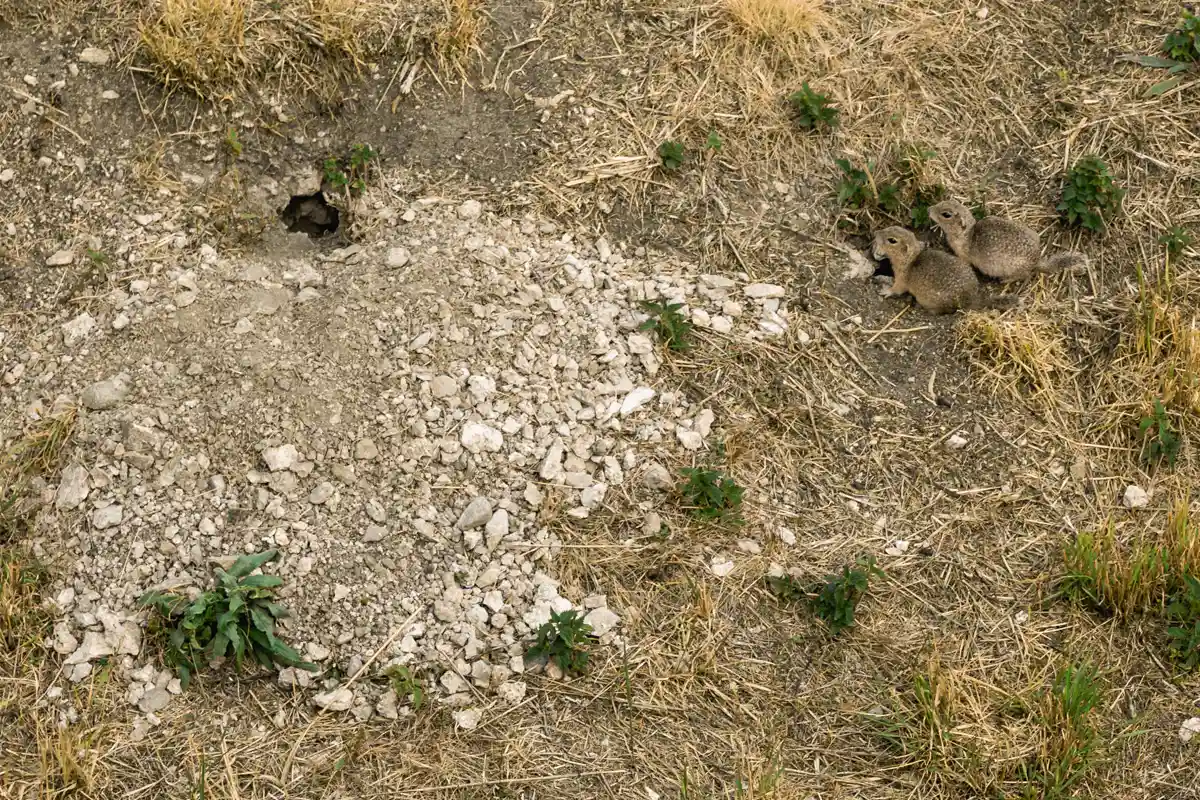
The lower courtyard is also home to many European ground squirrels. They dig numerous holes around the grassy areas. You can learn more about these animals from the information inside one of the bastions. There are quite shy and it is not easy to get very close to them.
The Upper Castle
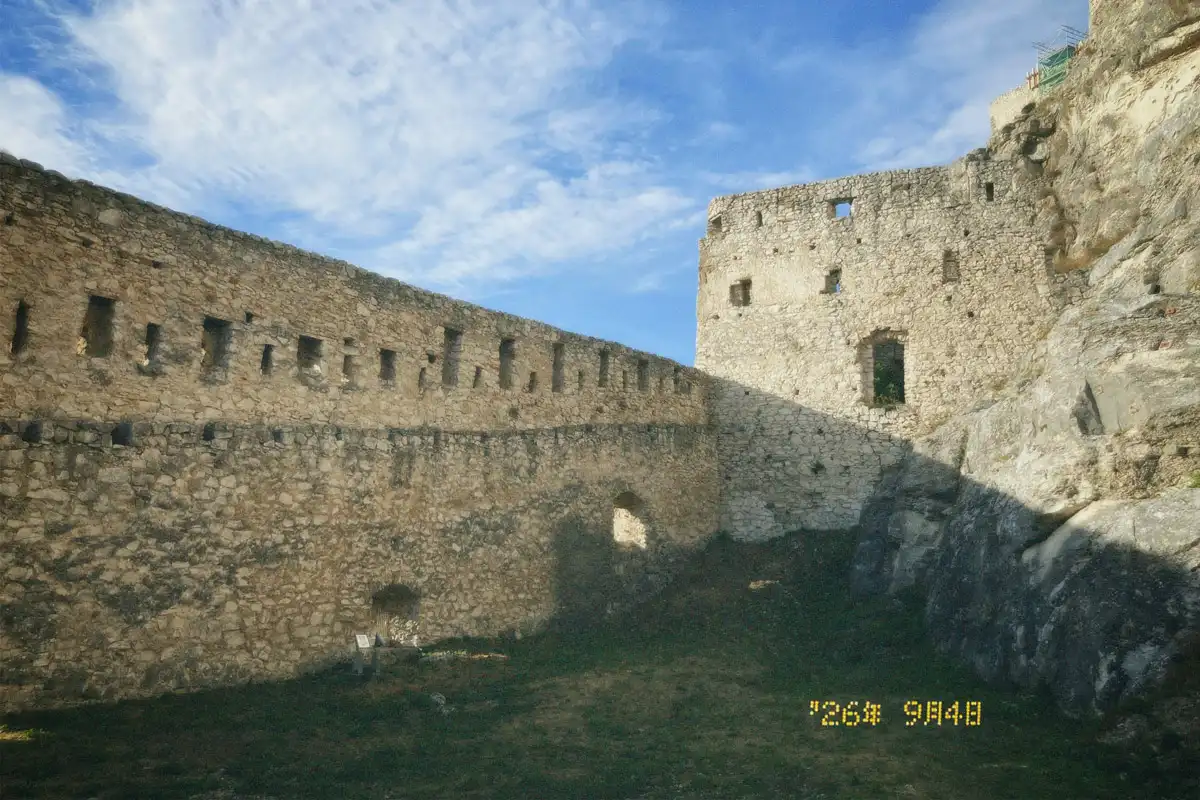
The upper castle contains some of the most important historic parts of Spiš Castle. These include the castle tower, palaces, and the castle chapel. Although reconstruction work is still taking place in this part of the castle, some areas remain accessible to visitors. During my visit, I was able to enter the castle tower and climb to its top. The tower was one of the highlights of my visit.
The castle chapel is another important part of the upper castle. However, access to individual interiors can change during the reconstruction.
The Castle Tower and Views
The castle tower offers spectacular panoramic views across the surrounding Spiš countryside. You can see fields, villages, hills, and Tatra mountains from the top.
You reach the tower by climbing several staircases. One section is outside with the view of the crane and construction site. Another runs through a very narrow space inside the thick castle walls.
The final section is quite tight, so take your time when climbing. Lights and also chains are available in some sections to help with balance and orientation.
At the top, you will find the Slovak flag and plenty of wind. Many visitors have also left stickers there. During my visit, the wind was particularly strong at the top. The weather also looked completely different from the conditions below and ready to rain.
I was also hoping to see the Sacred geoglyph below the castle. It is part of Australian artist Andrew Rogers’ Rhythms of Life land art project. The geoglyph was created in 2008 on the hillside below Spiš Castle. It represents a stylized figure based on an ancient coin found at the castle.
However, I did not have enough time to get closer to it during my visit. From the castle tower, the geoglyph is not something you can simply explore from inside the castle. A drone or a separate walk to the site would give you a much better view. I had to skip it this time, so it is definitely on my list for my next visit.
The Interior Exhibitions
The castle has several exhibitions that help explain its history and everyday life.
The official museum lists the castle kitchen, torture chamber, and an exhibition about the history of the castle among the main attractions. I visited the castle kitchen. The room recreates a medieval-style kitchen and contains various objects and information panels.
Some other interior areas were closed during my visit because of reconstruction. I could also see information (such as big poster) about exhibitions that were not currently accessible.
The museum’s collections include weapons and defensive equipment connected with the castle. Some objects are displayed or preserved at other museum locations in the region (for example Manor House in Markušovce has some nice armor).
If you are interested in seeing more of the castle’s historical collections, it is worth checking the current museum exhibitions before your visit.
The Best Photo Spots at Spiš Castle
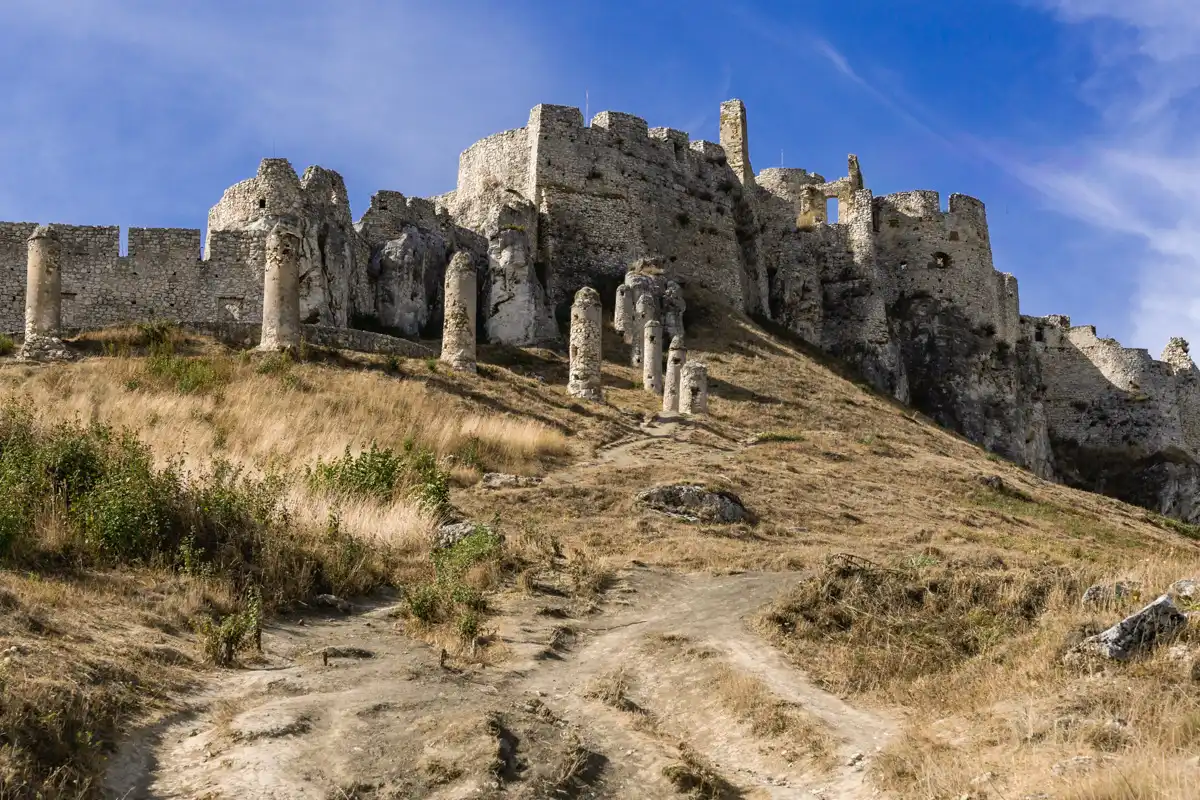
Spiš Castle offers many different photography opportunities. You can photograph it from below, from the castle grounds, or from the surrounding countryside. For the most dramatic full-castle view, a drone would probably be the best option. However, check the current drone rules and required permissions before flying.
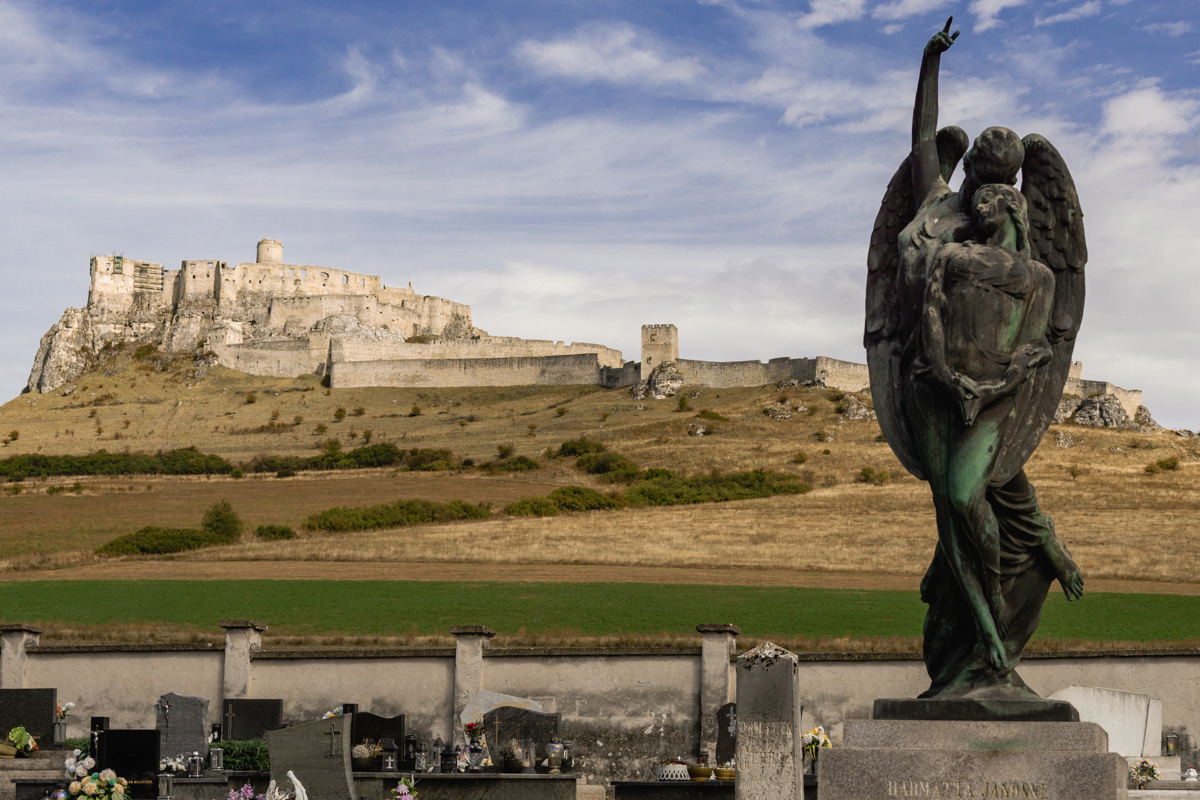
One of my favorite perspectives was actually from the cemetery below the castle. The cemetery gives you a more unusual foreground than the usual open countryside.
There is also an interesting historical connection here. The cemetery contains the grave of an important scientist from the region. I also took a photo of the castle with the grave in the foreground.
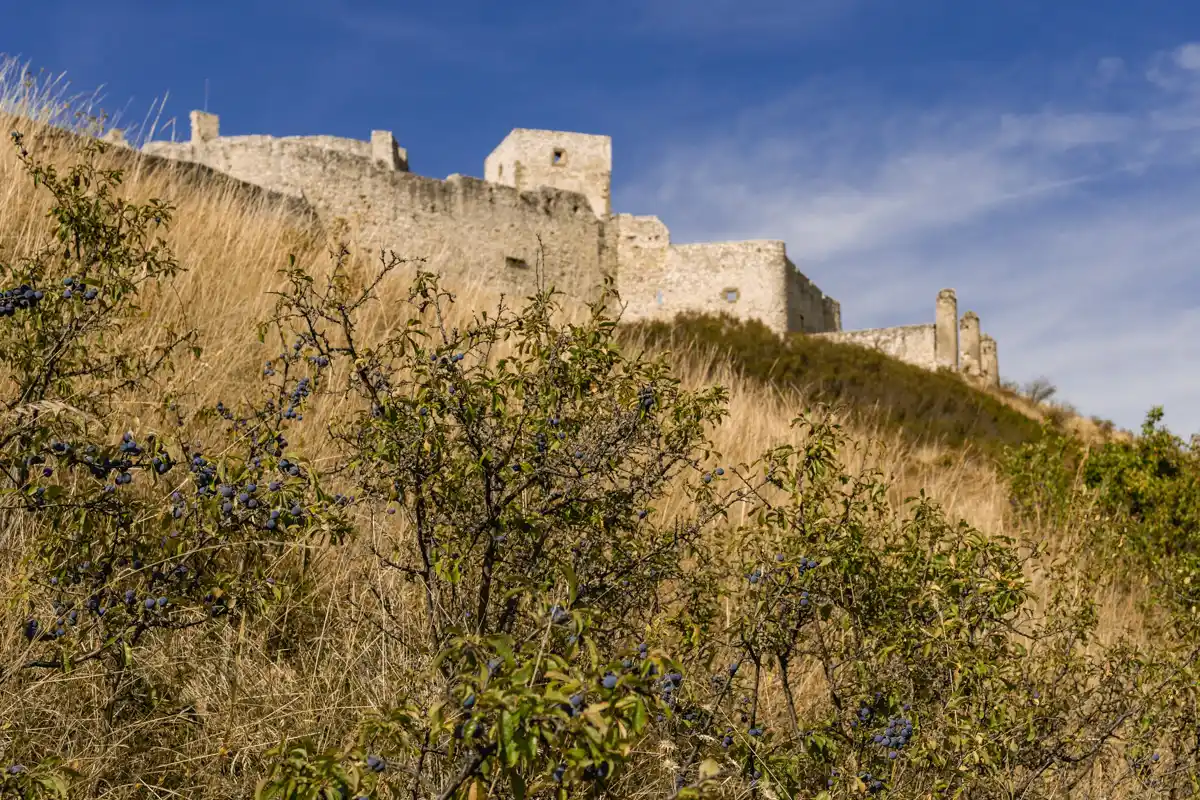
Another perspective I liked was shooting from lower down with grass in the foreground. This creates a more natural and less touristy composition.
I originally wanted more green in these photographs. However, I visited in September, when the landscape was already becoming more brown. If you want lush green foregrounds as you can see on many images online, I would recommend visiting earlier in spring.
The area around the lower castle also offers good opportunities for portraits. The courtyards provide a historic background without requiring you to leave the castle grounds. The defensive walls are another good option for portraits and architectural photographs.
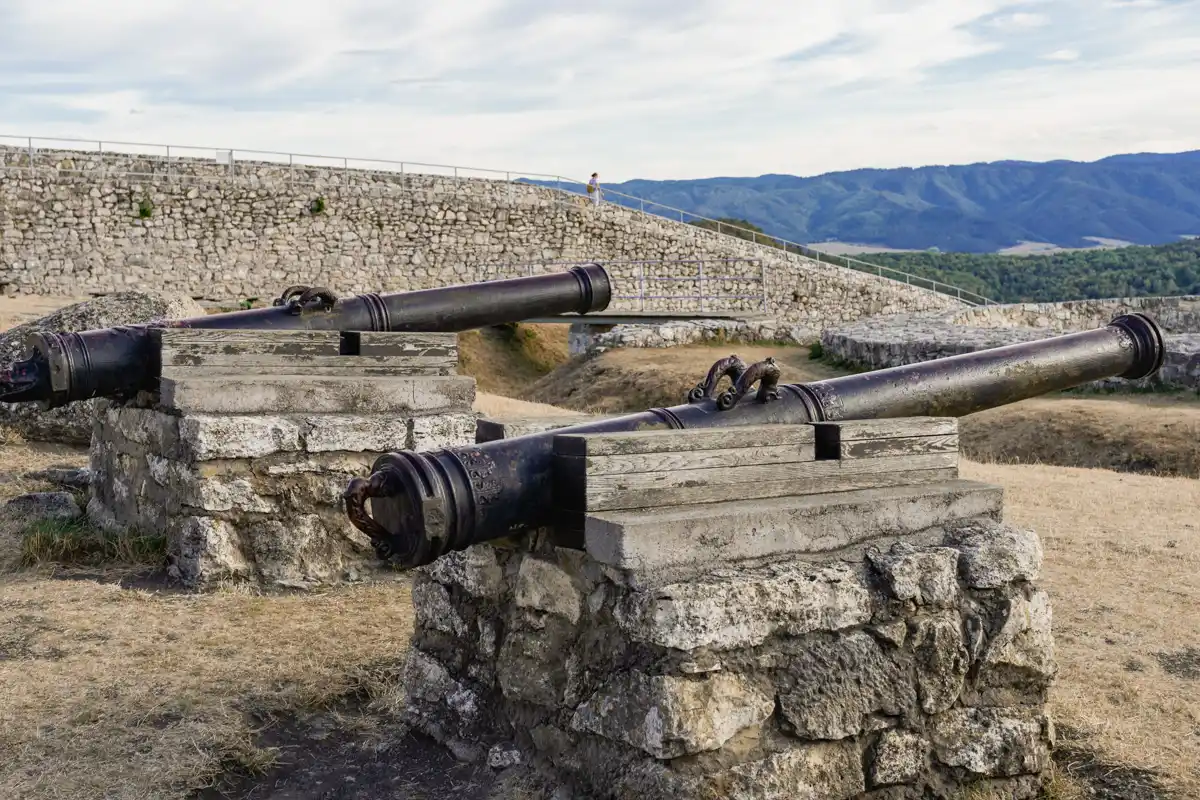
In the central courtyard, you can also photograph the historic cannons. During summer, there may be a stage because the castle hosts various cultural events. However, the stage and other temporary structures can change depending on the event schedule.
For a wider castle photograph, also look around the roads and open areas near the parking areas. Some viewpoints outside the main entrance allow you to capture the entire castle in one frame. These locations can work particularly well with a longer lens.
The Best Time of Day to Photograph Spiš Castle
Personally, I would recommend photographing Spiš Castle around sunset. The warm evening light can make the stone walls look much more atmospheric. If you visit in late September, consider arriving during the afternoon. This gives you enough time to explore before the evening light becomes interesting. The castle is open until 7 PM during the summer season. The last admission is at 6 PM.
This timing is especially useful if you also want to take portraits. You can photograph the castle in daylight and then use the softer evening light. The exact sunset time changes throughout the year. Check the sunset time for your travel date when planning your photography session.
Night Photography and Astrophotography
Spiš Castle can also be interesting after dark. Night tours are available during selected periods (usually July, August), although availability changes by season.
The surrounding area has relatively little artificial light compared with larger Slovak cities. This makes the Spiš region interesting for astrophotography.
The castle and surrounding landscape could work well for night-sky compositions. You can combine the ruins with stars, the Milky Way, or other celestial subjects.
The area can also offer opportunities to photograph the northern lights when conditions are right. I have seen photographs of the aurora over the region, including images taken around Spišské Podhradie.
However, aurora visibility is never guaranteed. You need strong solar activity, suitable weather, and a clear view of the northern sky.
If you are staying in the area for several nights, keep an eye on the forecast and aurora activity. This gives you a better chance of capturing unusual photographs.
My Photos of Spiš Castle
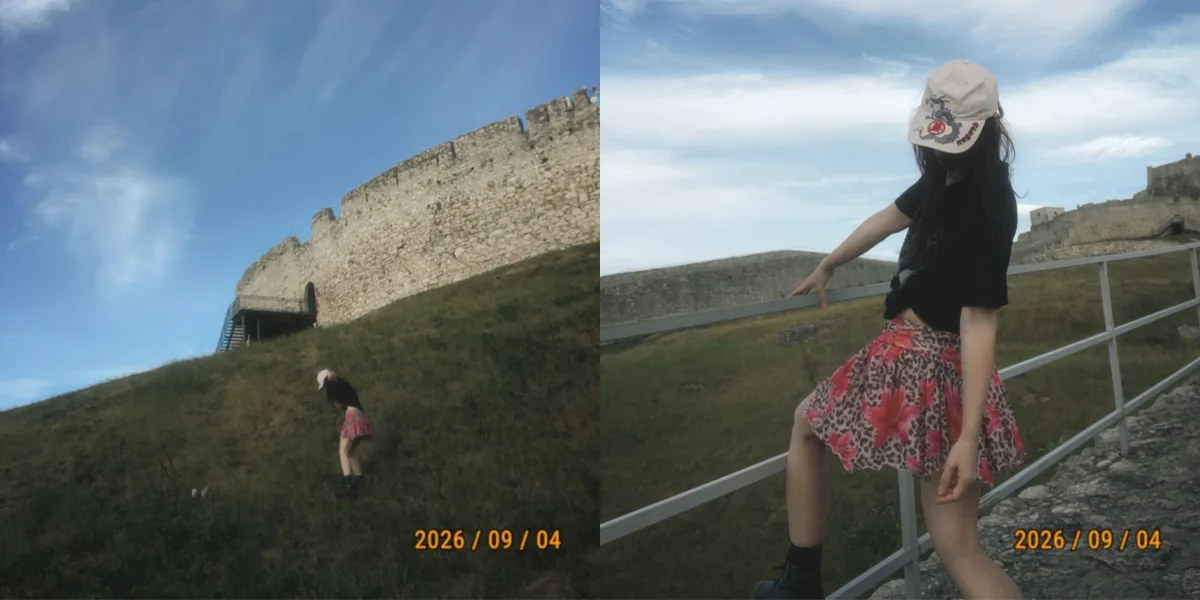
Most of my photos from Spiš Castle focus on the interior and my own experience there. I also took a few portraits of myself around the castle. The courtyards, old walls, and stone details made great backgrounds for these shots.
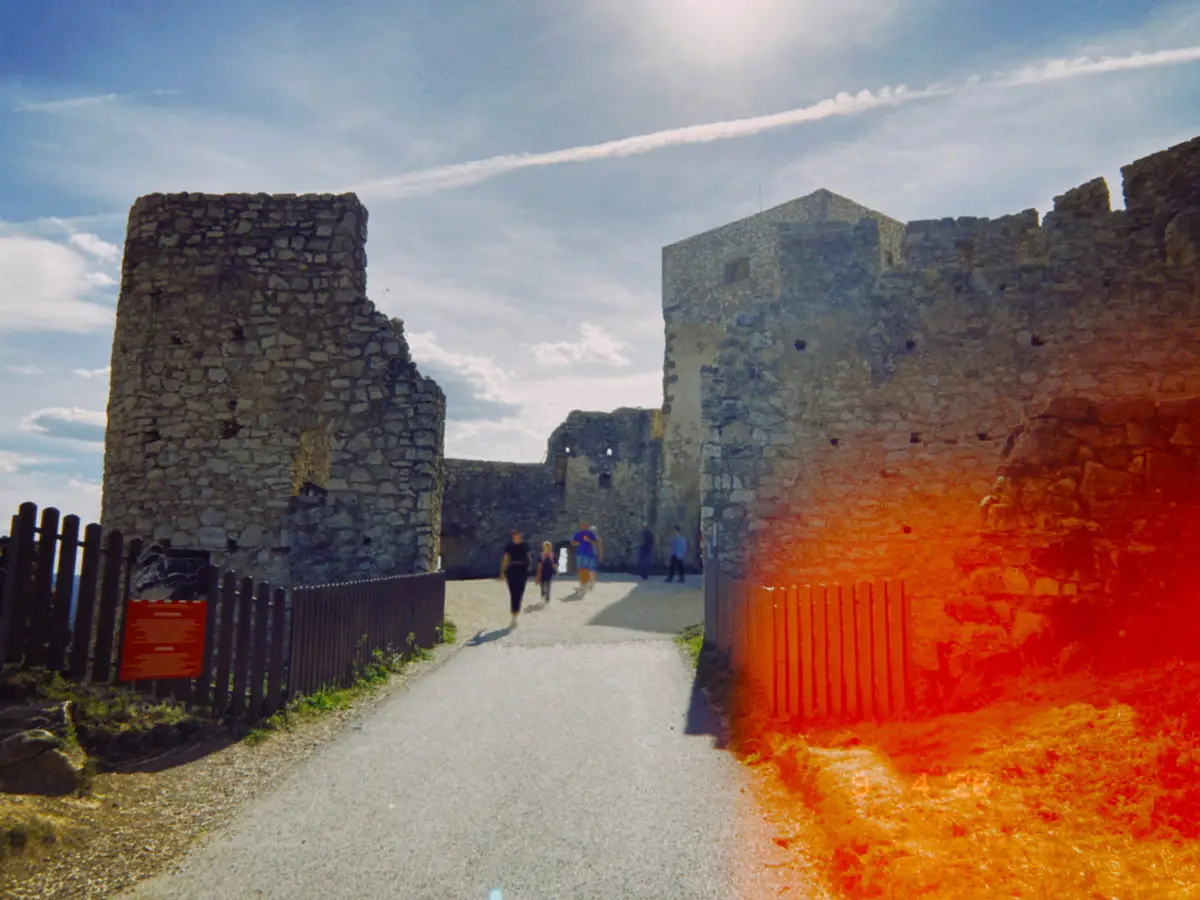
For some photos, I decided to use a different approach. Instead of my Sony and 30 mm lens, I also experimented with mobile photography apps. I used Dazz Cam, Huji Cam, and ProCCD to give some images a more nostalgic and vintage look. When I use these apps, it doesn’t feel like I’m doing a commercial catalog shoot where everything has to be clean, sharp and lit perfectly.
I like using these apps when photographing historic places. Their colors and effects can make old architecture feel even more atmospheric. They also complement decaying buildings with their imperfections and less polished style.
Is Spiš Castle Worth Visiting?
Absolutely. I think Spiš Castle is one of the best places to visit in Slovakia. It is especially worth visiting if you enjoy history, photography, and dramatic landscapes.
The main downside is its location. It is quite far from Bratislava, so it is not the easiest place to visit from the capital. However, the journey is worth it if you are exploring eastern or central Slovakia.
If you have already visited Bojnice Castle, you might notice some similarities. Both are among Slovakia’s most famous castles and are very different from ordinary city attractions.
The main difference is their setting. Bojnice Castle feels more like a traditional castle attraction surrounded by a town and park. Spiš Castle feels much more spacious and open.
Spiš Castle stretches across a large hilltop area. You can walk through several courtyards and along the defensive walls. The surrounding countryside also becomes part of the experience.
For me, this is one of the main reasons to visit Spiš Castle. You are not only visiting a historic building. You are exploring an entire landscape around it.
Other Places to Visit in Eastern Slovakia
If you have more time, I recommend exploring beyond Spiš Castle. Eastern Slovakia has many unusual places that are especially interesting for photographers.
You can visit the Andy Warhol Museum of Modern Art in Medzilaborce. It is dedicated to Andy Warhol and his family roots in the region.
Another interesting stop is Beňatina Lake, a former travertine quarry with striking blue-green water. The surrounding cliffs also create interesting photography opportunities.
The far northeast of Slovakia is worth exploring too. Nová Sedlica is the easternmost village in Slovakia and a gateway to the Poloniny National Park. You can also visit the easternmost bus stop in Slovakia, called Nová Sedlica – Konečná.
While you are there, look for the famous House of Grandfather Večerníček. This traditional wooden house has a thatched roof and stands in the center of Nová Sedlica. It is also a protected cultural monument. The house is associated with Večerníček, a popular Slovak television bedtime story character. The character appears in a short animated introduction before children’s bedtime programs.
If you enjoy unusual landscapes, consider visiting Slovak Opal Mines near Prešov. You can explore the historic underground mine and learn about the opals once mined there.
For architecture and history, Bardejov is another great option. The historic town center is a UNESCO World Heritage Site. You can also visit the nearby Bardejov Spa, which has a long tradition of spa tourism. Empress Elisabeth, better known as Sisi, visited the spa in the 19th century.
Wine lovers should consider the Tokaj region in southeastern Slovakia. The region is known for its historic wine cellars, vineyards, and distinctive landscape.
If you are interested in traditional architecture, visit Liptovská Teplička. The village is famous for its unusual hillside potato cellars built into the ground.
For another great photography location, head to Telgárt and photograph the famous railway viaduct. The surrounding mountains make this area particularly photogenic.
Finally, eastern Slovakia is an excellent destination for astrophotography. The Poloniny Dark-Sky Park lies close to the Slovak borders with Poland and Ukraine. It is remote and it has exceptionally dark skies and very low light pollution. You can also visit the Astronomical Observatory at Kolonický sedlo, which is located in an area known for excellent conditions for astronomical observations.
Sources
Sources: