
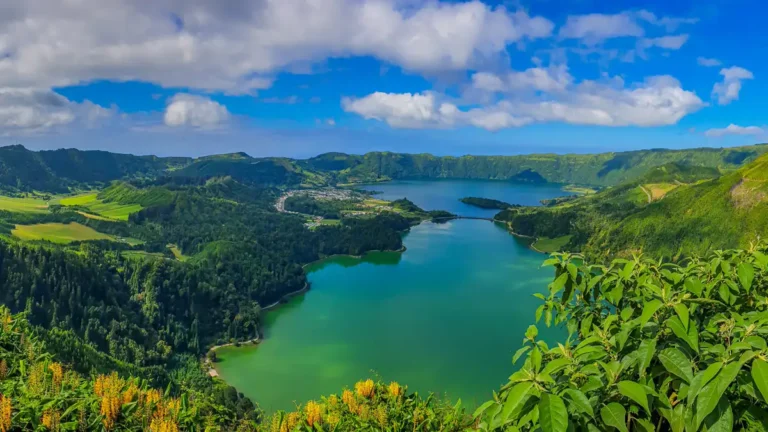
Although winter and Christmas time might be great for family gatherings, the aesthetics of white and red, fairy lights, and decorated trees might not be for everyone. Some might even see it as very kitsch and overly commercial. On the other hand, there are people, especially photographers, who simply prefer to take pictures in warmer environments rather than get their fingers frozen in temperatures below 10°C.
This is especially true for photographers who spend most of their time shooting outdoors. Street photographers, landscape photographers, and those who shoot outdoor portraits can all benefit from milder winter weather. Models might also appreciate being able to shoot swimwear, summer fashion, or other light outfits outdoors without having to lie in the snow and pretend they are not freezing. And if you really want the snow, well, AI can add that part later.
Warmer conditions also make it easier to carry and use more camera equipment without spending hours trying to keep your hands warm. The goal is not necessarily to find somewhere hot. Even temperatures that feel mild compared with the rest of the European winter can make a long day of shooting much more comfortable.
That is where this guide comes in. Here are 8 warm European winter destinations that offer photographers a mix of mild weather, interesting landscapes, striking architecture, and beautiful winter light.
For a few nights: Booking.com is an easy place to compare hotels, apartments and guesthouses.
Browse Booking Stays
For longer stays: If you are staying for several weeks, or months, check Flatio for furnished apartments aimed at longer stays and digital nomads. You can also find a place on Booking.com and contact the property directly to ask about a long-stay discount. Some properties may also consider discounts for creators or press trips.
Tenerife – volcanic landscapes & winter sun
If your priority is warm winter weather, Tenerife is one of the safest choices in Europe. The island combines volcanic landscapes, dramatic mountains, black-sand beaches, and small towns with plenty of opportunities for outdoor photography.
For landscape photographers, Teide National Park is the obvious highlight. The volcanic formations around Mount Teide look particularly dramatic when the low winter sun creates long shadows across the landscape. The Anaga Rural Park offers a completely different atmosphere, with rugged mountains, winding roads, forests, and viewpoints over the Atlantic. For something more cinematic, head towards Masca, a tiny mountain village surrounded by steep volcanic peaks.
Good activities for photographers:
- Explore Teide and Masca on a full-day tour with Viator — a practical option if you do not want to deal with transport yourself.
- Take a sunset and stargazing tour in Teide National Park with GetYourGuide — particularly interesting if you want to combine landscape photography with night photography.
- Join a whale-watching tour with Viator — a different type of photography opportunity, with whales, dolphins, and views back towards the volcanic coast.
Lanzarote – minimalist landscapes & architecture
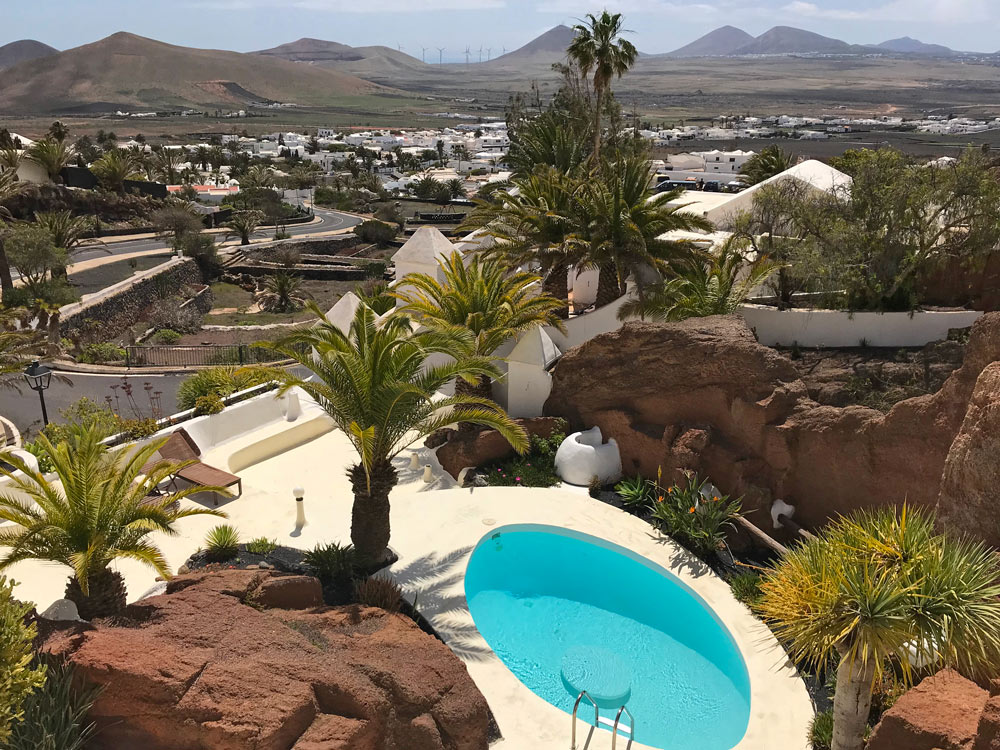
The island is covered with volcanic terrain, black lava fields, unusual rock formations, and minimalist architecture. It is also closely associated with artist and architect César Manrique, whose work blends naturally into the island’s landscape.
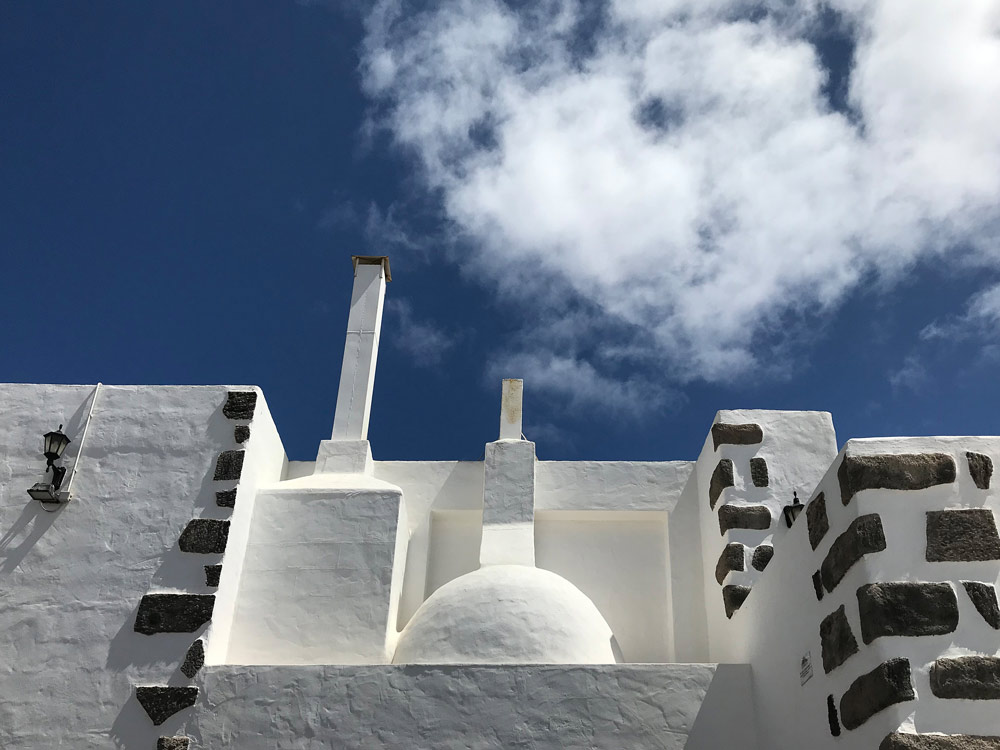
I visited Lanzarote in April, and even then the weather could be quite changeable. Swimming was not particularly appealing on cooler days, although the sun could become surprisingly intense around midday. I remember feeling the heat at LagOmar, where the combination of strong sunlight, volcanic rock, and white architecture made for some excellent photography conditions.
Winter is milder, with average temperatures around 17–19°C and sea temperatures around 18–20°C. I would therefore treat Lanzarote as a destination for outdoor photography rather than a guaranteed swimming escape. If you get a sunny winter day, however, the volcanic landscapes can be much more comfortable to explore than during the hotter months.
For photographers, Timanfaya National Park, La Geria, Jameos del Agua, and Manrique’s architectural sites offer plenty of subjects. The island’s restrained colour palette also works particularly well for minimalist compositions, architecture, and landscape photography.
If you do not have a car, a full-day island tour can be a practical way to reach several of the major photographic locations. This Lanzarote highlights tour on GetYourGuide combines Timanfaya, Cueva de los Verdes, Jameos del Agua, La Geria, and several viewpoints in one day.
Madeira – mountains & atmospheric photography
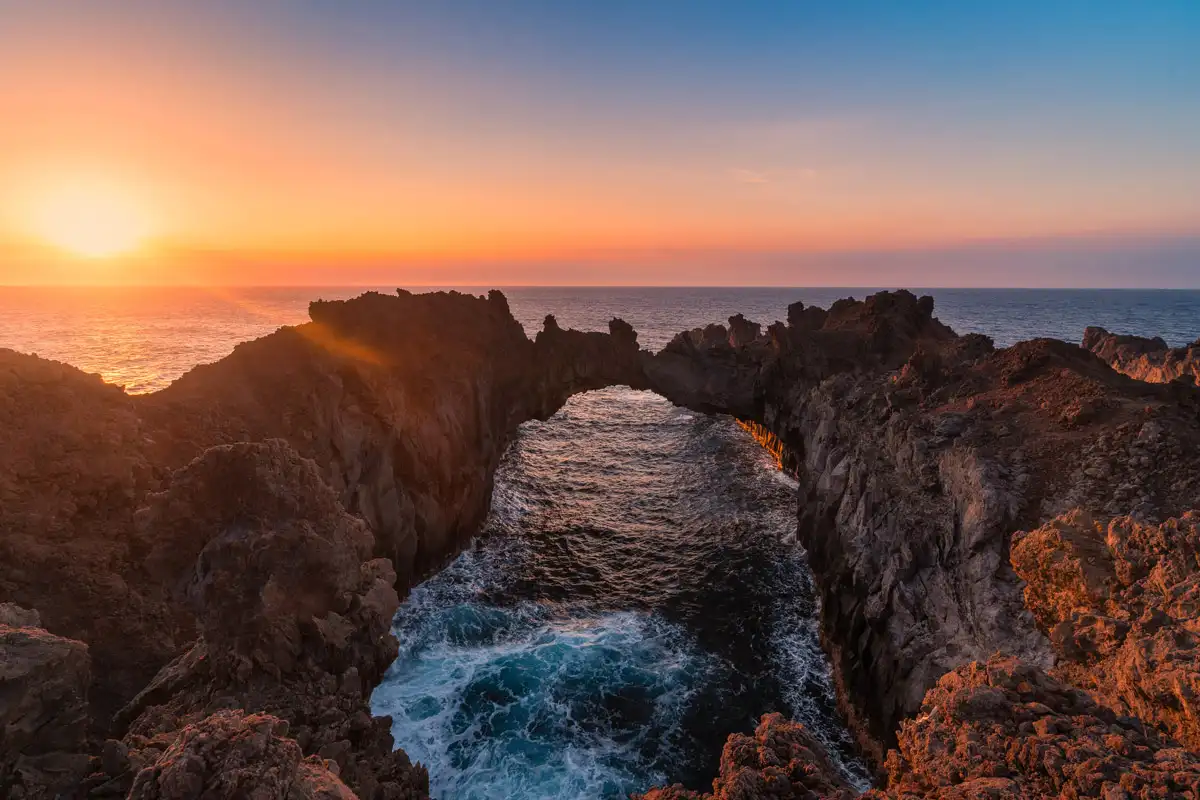
Madeira is a great choice if you prefer mountains, dramatic coastlines, and atmospheric landscapes over traditional beach destinations. Winter stays mild, although you should expect some rain and rapidly changing weather, especially in the mountains.
Even Empress Sisi came to Madeira in the 1860s, travelling there for health reasons. She chose the island partly because of its mild Atlantic climate and stayed in a private villa in Funchal. Today, a statue of Sisi near the former Quinta Vigia commemorates her connection with the island.
For photographers, Madeira’s changing weather is part of the appeal. Mist, clouds, sudden sunlight, steep mountains, volcanic cliffs, and lush vegetation create constantly changing conditions. The levadas are also excellent for landscape and nature photography.
Good activities for photographers:

Cyprus – Ruins & Coastal Photography
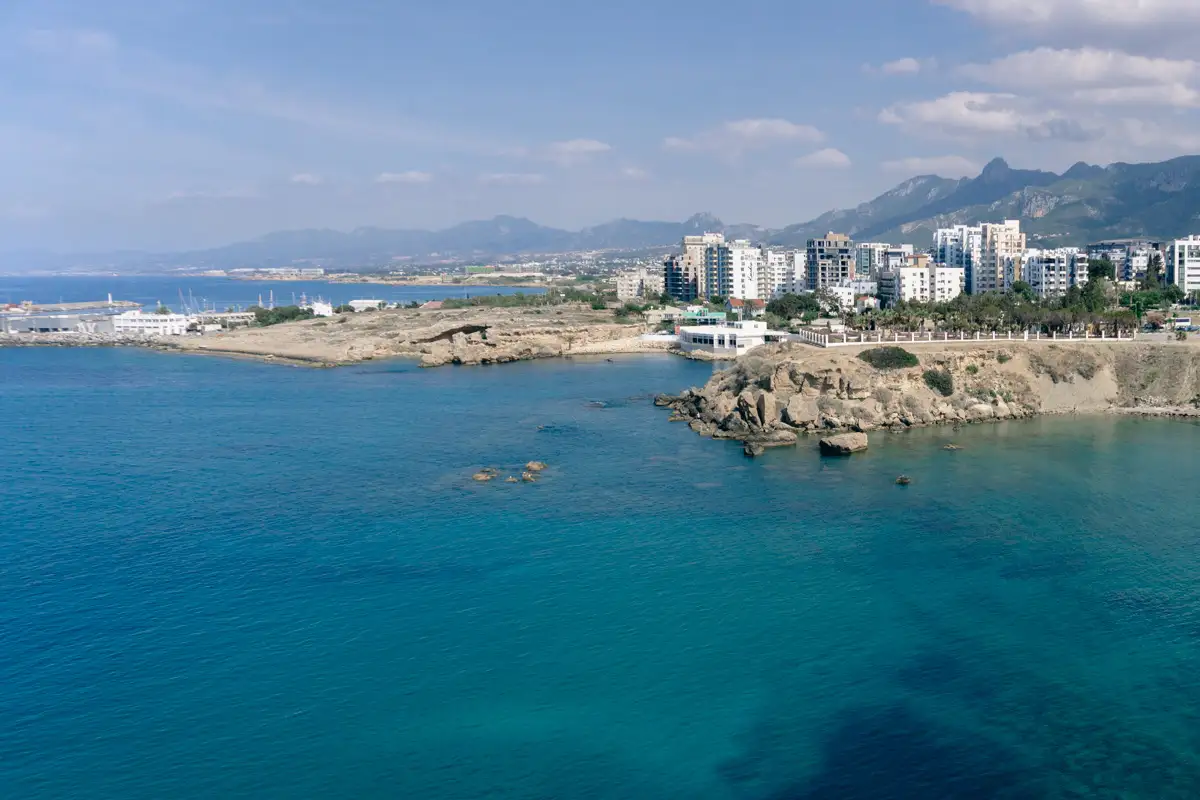
I have visited Cyprus in both May and September, and I would happily return in winter for photography. Cyprus has mild winters, plenty of sunshine, and much more to offer than beaches. Official climate data gives average daily maximum temperatures of around 15–17°C in December to February, with about five to six hours of sunshine per day.
For photographers, the possibilities are surprisingly varied. Around Paphos, you can combine ancient ruins with abandoned buildings and more unusual locations such as the Akrotiri sand dunes. The Ayia Napa and Cape Greco offer rocky coastlines, sea caves, and dramatic landscapes, while the Troodos Mountains provide a completely different setting.
If you want something more unusual, Cyprus also has abandoned villages and historic sites. Foinikas, an abandoned village near Asprokremmos Dam, is particularly atmospheric, with its ruins surrounded by a dry landscape.
The island is also relatively easy to explore without a car (especially the southern non-occupied part). Public buses connect many of the main towns and tourist areas, making Cyprus one of the more practical choices on this list for photographers travelling with camera gear.
For photographers, winter may actually be a better time than summer. You avoid the worst heat and crowds while still getting plenty of opportunities for outdoor shooting. Just keep an eye on the forecast, as even Cyprus can produce some spectacular weather. In August 2026, for example, severe storms brought heavy rain, hail, strong winds, and waterspouts to parts of the island.
Good activities for photographers
Winter means shorter days and earlier golden and blue hours. Before heading out, check the exact golden hour and blue hour times for your destination and date.
Malta – architecture & street photography
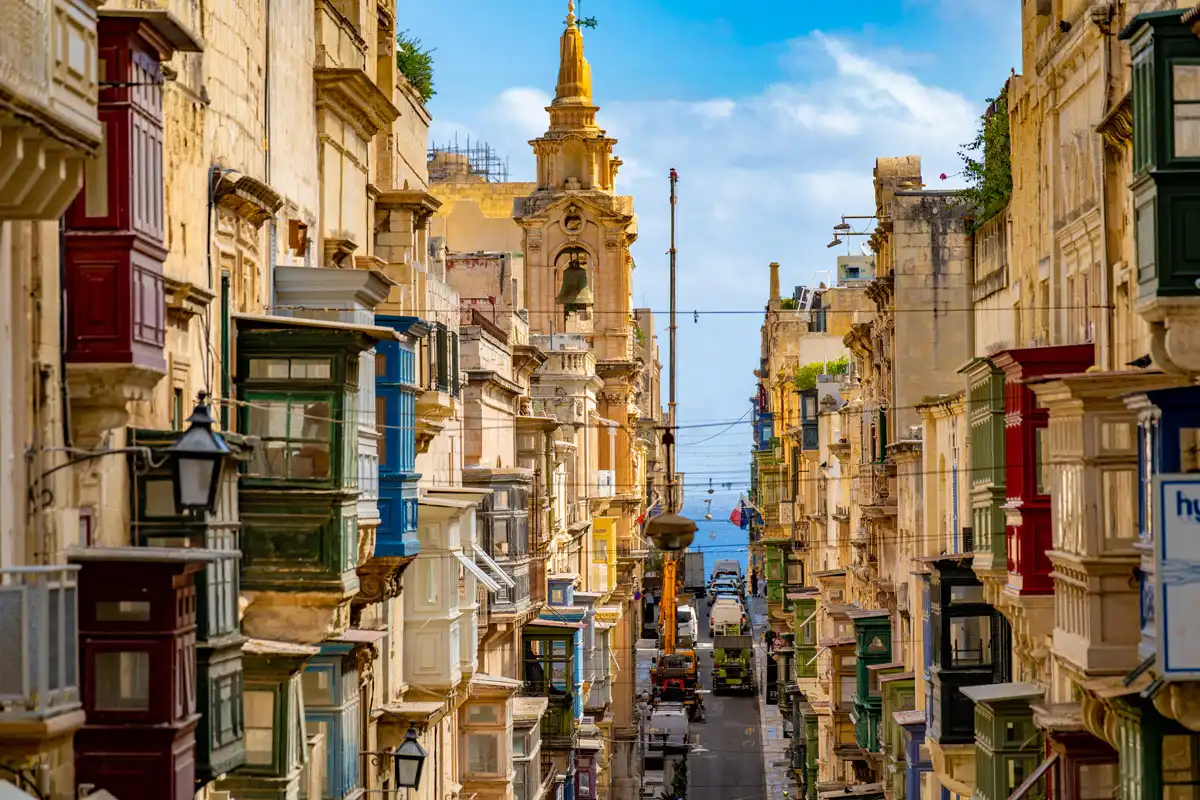
Malta is an excellent winter destination if architecture and street photography are more your thing than hiking or beaches. Its historic towns are packed with warm limestone buildings, colourful balconies, old doors, narrow streets, staircases, and weathered facades. Valletta is the obvious starting point, but the Three Cities and Mdina can offer a slightly different photographic experience.
The island’s compact size also makes it easy to combine several locations in one day. Winter brings milder temperatures and fewer visitors, which is particularly useful when photographing narrow streets or waiting for the right light.
If you want to explore beyond Valletta:
Andalusia – modern architecture & blue-hour photography
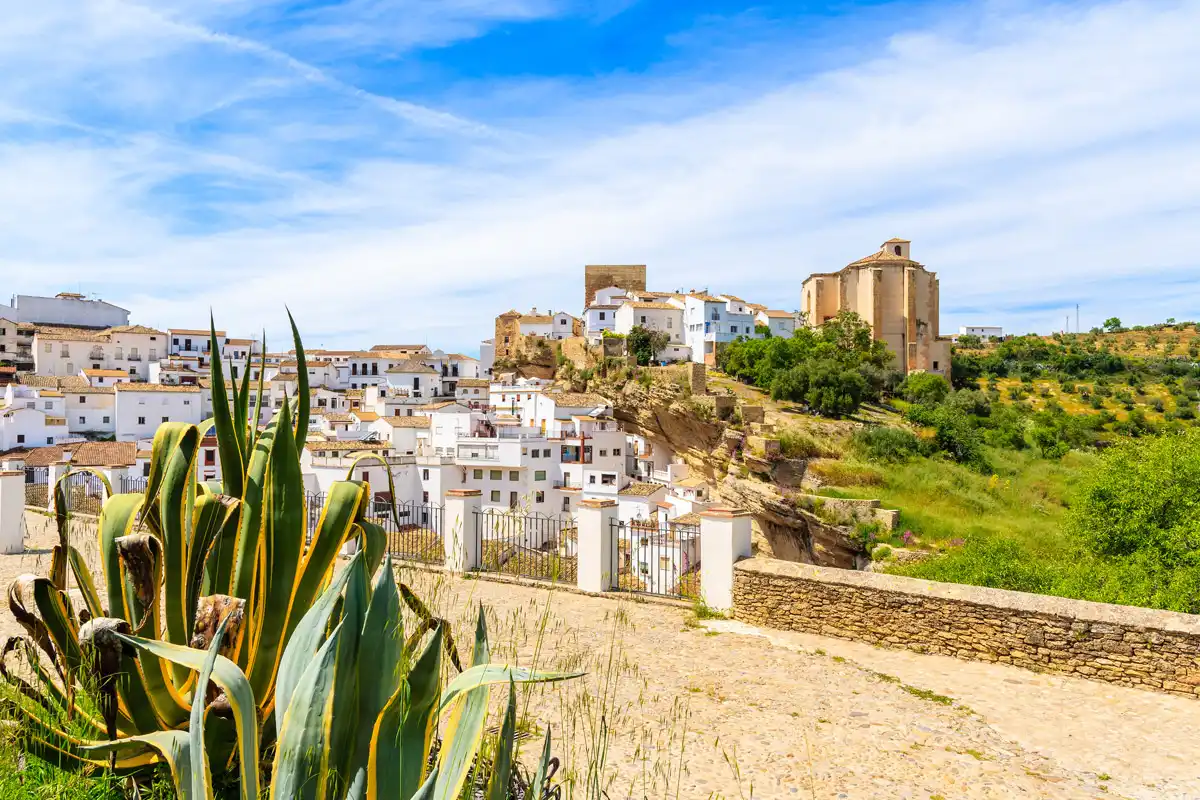
Andalusia is a great winter choice if you want to combine historic architecture with surprisingly bold contemporary buildings. Seville has the futuristic Metropol Parasol, the modern architecture of the Cartuja district, the Alamillo Bridge, and Torre Sevilla. Málaga adds the colourful Centre Pompidou and plenty of contemporary architecture to its historic streets.
For photographers, the contrast is what makes Andalusia interesting. You can photograph Moorish courtyards, old streets, modern structures, and brutalist-looking concrete buildings within the same trip. Winter’s lower sun also works well for architecture and blue-hour photography.
Marbella offers another unusual photographic stop. Its Avenida del Mar is lined with sculptures by Salvador Dalí, creating an unexpected combination of public art, palm trees, and Mediterranean architecture.
With winter daytime temperatures often staying in the mid-to-high teens, Andalusia is not beach-hot, but it can be very comfortable for spending hours outside with a camera.
Good activities for photographers:
Tabernas Desert – Desert & Badlands Photography
If you want something completely different from European city photography, the Tabernas Desert in Andalusia is hard to beat. Its dry riverbeds, eroded hills, rocky gullies, and barren landscapes look more like the American Southwest than southern Spain.
The landscape has also been a favourite of filmmakers for decades. More than 300 films have been shot here, including Sergio Leone’s famous spaghetti westerns, Lawrence of Arabia, Indiana Jones and the Last Crusade, and Conan the Barbarian.
For photographers, this makes Tabernas interesting for both landscape and fashion photography. The harsh terrain, earthy colours, and dramatic light could work well for high-fashion editorials, outdoor portraits, and more cinematic shoots. The area is still used for fashion shoots, commercials, and other productions today.
Winter is also a much more comfortable time to explore such an exposed landscape than the scorching summer months. Go early or late in the day for longer shadows across the badlands and warmer light.
You can also visit some of the surviving western film sets, such as Fort Bravo and Oasys MiniHollywood, or join a guided desert tour if you want to explore the landscape beyond the tourist sets.
Good activities for photographers:
You can reach Tabernas from Almería by bus in around 40–45 minutes. Some services also stop near Oasys MiniHollywood, making it possible to visit the film sets without renting a car. However, reaching the more remote desert landscapes is more complicated by public transport. If you want to photograph the badlands away from the main attractions, consider joining a guided desert tour or arranging a taxi for the day.
Azores – Moody Landscapes & Gothic Photography
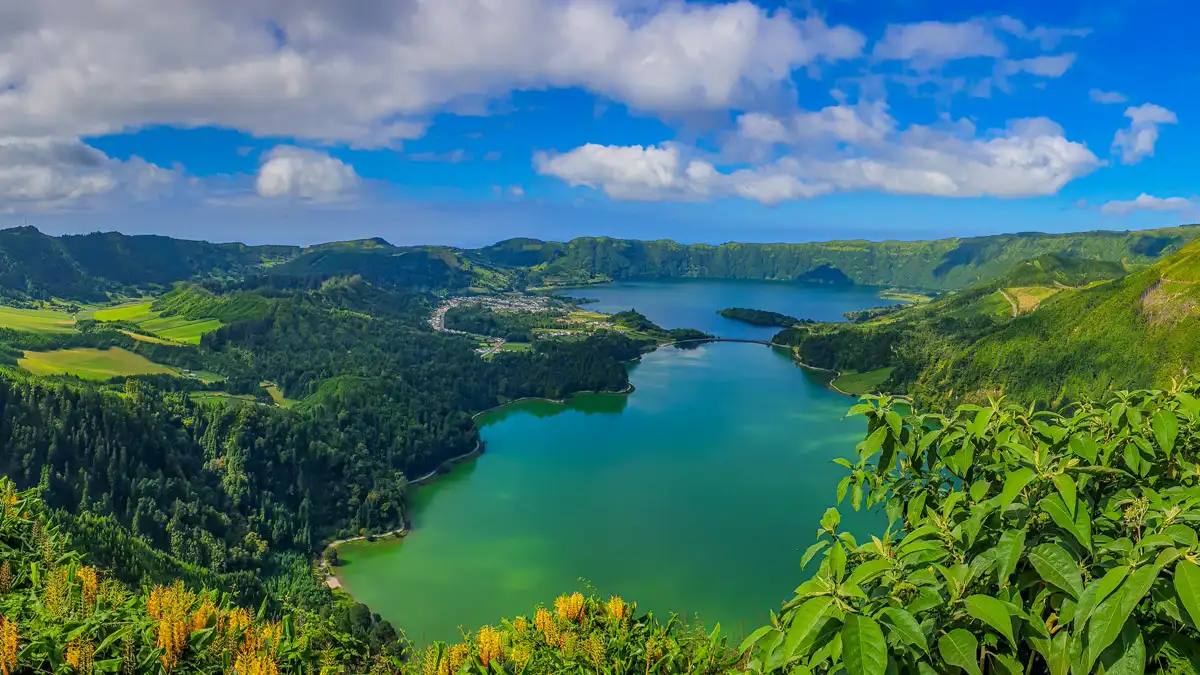
The Azores are an excellent choice if you like your landscapes a little darker and more atmospheric. The islands are known for volcanic lakes, lush vegetation, dramatic cliffs, and constantly changing weather. But there is much more to photograph than the usual viewpoints.
São Miguel is home to the abandoned Monte Palace Hotel, a decaying modernist building overlooking the Sete Cidades crater. Its empty rooms, graffiti, concrete corridors, and frequent mist give it an almost gothic-horror atmosphere.
Other islands offer abandoned villages, old fortifications, ruined windmills, volcanic landscapes, and dark forests covered in moss and ferns. Terceira’s Mistérios Negros trail, for example, looks particularly cinematic in misty weather.
The Azores are not the best choice if you want guaranteed sunshine. For photographers who enjoy fog, rain, dramatic skies, abandoned places, and landscapes that look slightly otherworldly, however, that is exactly the point.
However, do not choose the islands if you need guaranteed sunshine.
Getting there also takes more planning than reaching the Canary Islands or Madeira. Most international visitors fly via mainland Portugal, with flights connecting Lisbon or Porto to the main islands. Once there, inter-island flights and ferries can help you move between islands, although winter schedules can be more limited. Weather-related flight disruptions are a real possibility, especially for inter-island connections. In other words, the Azores are a great choice if you are feeling a little adventurous.
Good activities for photographers:
Easy without a car: Malta, Cyprus and Andalusia have good public transport for most major sights and cities.
Car recommended: Tenerife, Lanzarote, Tabernas Desert and the Azores are much easier with a rental car, especially if you want to photograph remote landscapes.
Mixed: Madeira is possible by bus, while a taxi or organised tour can help you reach more remote locations.
For photographers: If your itinerary focuses on cities and architecture, public transport is usually enough. For mountains, deserts, volcanic landscapes and abandoned places, a car gives you much more freedom.
Planning to rent a car? Compare rental options and prices before your trip.
Conclusion
Winter photography in Europe does not have to involve freezing fingers, grey skies, and photographing the same Christmas market for the hundredth time.
Sometimes, all you need is a milder climate, interesting places, and enough daylight to actually enjoy being outside with your camera. Whether you want dramatic landscapes, unusual architecture, abandoned places, or atmospheric weather, winter can be a surprisingly good time to explore.
So if Christmas lights, red-and-white decorations, and endless festive content are not exactly your aesthetic, you have options.
Sources
Sources: