
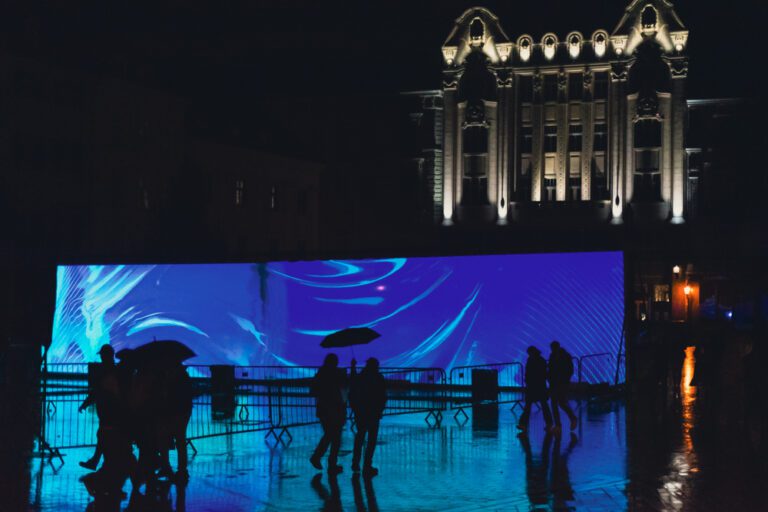
Although many people don’t enjoy rainy weather, sometimes it’s simply unavoidable. This is especially true when you’re travelling, as you might not be able to avoid the rain or change your plans. The same applies to photographers who have already booked a shoot with clients. Canceling an appointment might not be an option for either party.
In this article, you’ll find creative ideas for what to photograph on a rainy day. Some might already be familiar to you, while others could offer a fresh perspective. I’ll also share some practical tips on how to protect your camera gear from rain.
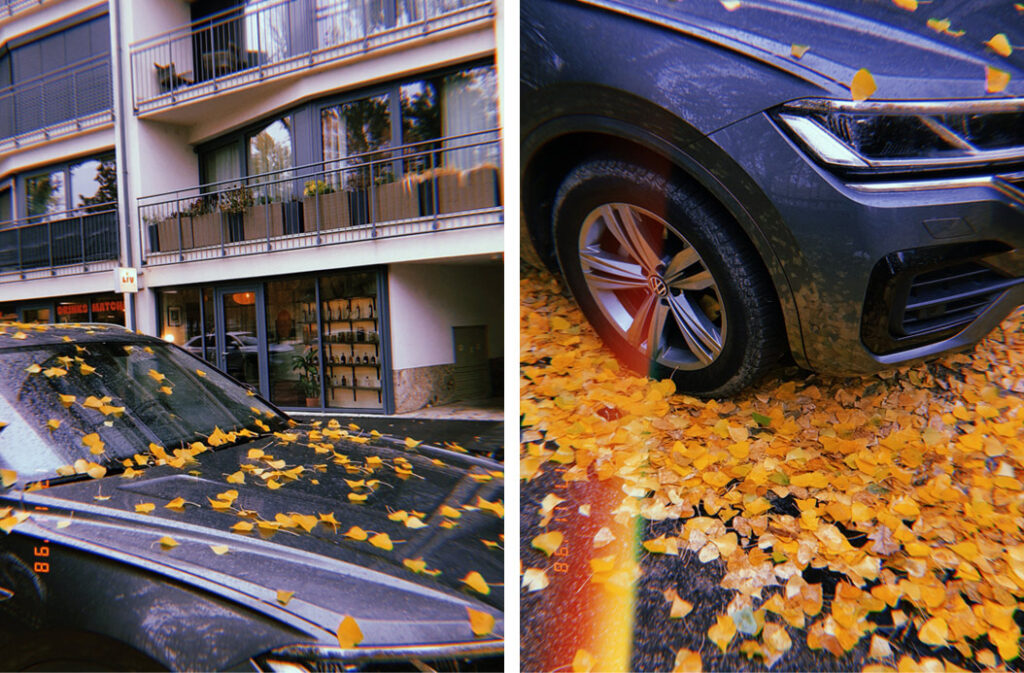
The photographs featured in this article were taken with a DSLR, a mirror-less camera, and an iPhone using retro photography apps such as Mood Camera, Huji Cam, and Dazz Cam.
How to Protect Your Camera When Shooting in the Rain
Here are some useful tips on how to protect your camera when shooting in the rain. You can use simple DIY solutions or invest in accessories specifically designed to protect your camera gear from moisture.
Use a Lens Hood
A lens hood is usually used to block unwanted light and prevent lens flare, but it can also be useful in rainy weather. It helps keep raindrops from reaching the front element of your lens, especially when shooting in light rain.
Use a Camera Rain Cover
A dedicated camera rain cover protects both the camera body and lens from water. You can find universal versions as well as covers designed for specific camera models. If you don’t have one, you can make a temporary DIY cover using a transparent plastic bag with an opening for the lens. Make sure it doesn’t obstruct the camera controls or get in the way of your shooting.
Protect the Hot Shoe
If you’re using a camera rain cover or a DIY plastic bag, don’t forget about the hot shoe slot. You can purchase a small hot shoe cover or plug designed to fit your camera. These are available on Amazon, eBay, and Etsy. While they offer some protection against moisture and dust, they shouldn’t be treated as fully waterproof seals.
Carry a Microfiber Cloth
Always keep a clean, dry microfiber cloth in your camera bag. Use it to gently remove water droplets from the lens and camera exterior. It’s also worth carrying a spare cloth in a separate waterproof pouch so you always have a dry one available.
Use a Waterproof Camera Bag or Backpack Cover
Your camera needs protection even when you’re not shooting. A waterproof camera bag or a rain cover for your backpack helps keep your equipment dry while travelling between locations. You can also use small waterproof pouches (for example the small plastic bags from Ikea) to store spare batteries, memory cards, and other accessories.
Protect Your Camera After Shooting
Once you’re back indoors, gently wipe any moisture from the camera body and lens with a dry microfiber cloth. Let your equipment dry naturally in a well-ventilated room before storing it. Avoid using a hairdryer or placing your camera near a heater. If your camera has been exposed to significant moisture, don’t open its battery or memory card compartments until the exterior is dry.
15 Creative Things to Photograph in the Rain
Here are some of my favorite ideas for what to photograph in the rain. I might add more over time, especially if I find other interesting ideas worth sharing.
Puddle Reflections
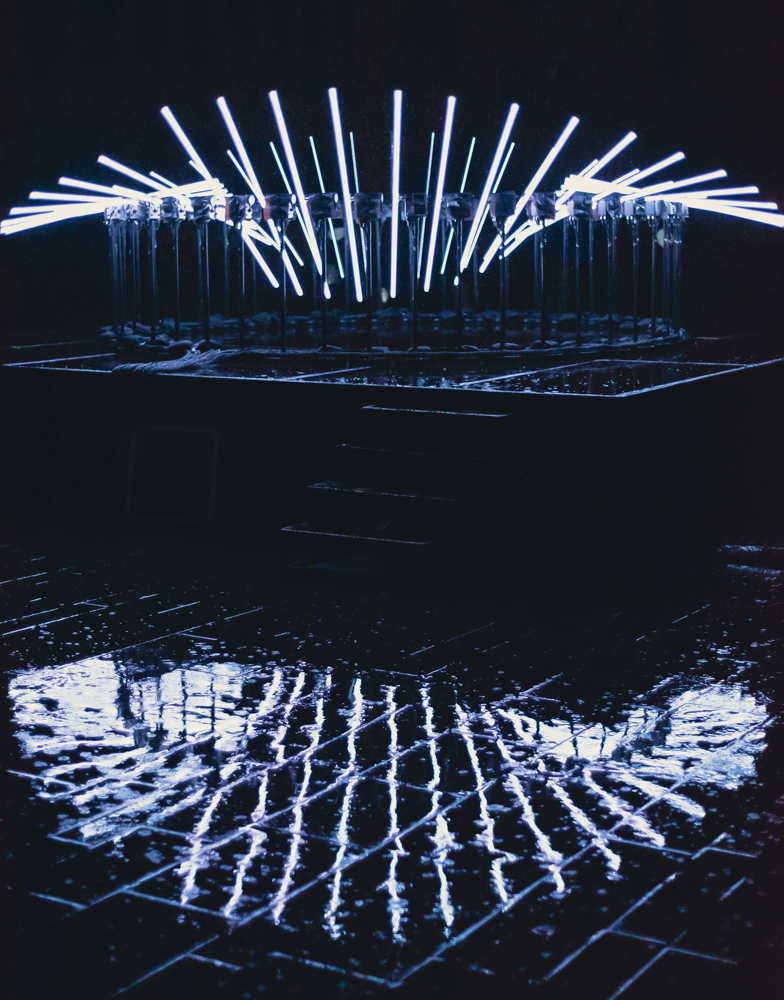
When it rains, puddles are usually among the most annoying things people try to avoid. However, for photographers, they can become an interesting part of a composition. You’ve probably seen plenty of photographs featuring towns, buildings, and architecture reflected in puddles.
The only challenge might be getting down to a lower angle. You don’t necessarily have to get on your knees, but you might end up getting a little wetter in the process. Puddles can also form on roads with passing cars and heavy traffic, which means you might get an unexpected splash of water on yourself or even your camera.
People or Selfies with Umbrellas
Some people prefer to carry an umbrella whenever rain is in the forecast. Even if it doesn’t rain, you can still use it as a photography prop. An umbrella can add colour, shape, and an interesting element to your composition.
You can also include it in self-portraits. It works particularly well when you want to cover parts of your body or experiment with faceless photography. Here are some poses you can try:
- Walking away from the camera:Hold the umbrella above your head and photograph yourself from behind. This works well on an empty street or a path.
- Looking over your shoulder:Turn your head slightly towards the camera while keeping the umbrella above you. This creates a more candid-looking pose.
- Hiding your face:Hold the umbrella low enough to cover your face. You can show only your outfit, legs, or silhouette.
- Looking down:Stand beneath the umbrella and look towards the ground. This creates a quiet, introspective mood.
- Holding the umbrella to one side:Tilt it slightly to reveal part of your face or create an asymmetrical composition.
- Sitting under an umbrella:Try a bench, staircase, or café terrace. Keep the umbrella open above you to frame the scene.
- Photographing the umbrella from below:Point your camera upwards to capture its shape and the raindrops collecting on its surface.
You can also photograph other people walking with umbrellas. Look for colourful umbrellas, interesting silhouettes, or several people crossing the same frame. A simple umbrella can become a strong visual element, especially when it contrasts with the surrounding architecture or muted rainy-day colours.

Raindrops on Windows
You can find windows, especially on cars, buses, trains, or bus stop shelters, covered with raindrops. Use them to create blurry compositions while trying to focus on what is behind the window. You can also focus directly on the raindrops on the glass surface. Experiment with different focus points to capture reflections, distorted street scenes, or colorful lights through the water droplets.
Another interesting approach is to photograph someone standing behind a rainy window. The raindrops can create a natural filter that partially obscures the subject and adds a sense of mystery to your image. You can also use reflections from streetlights, neon signs, or passing cars to create more abstract compositions.

Wet Leaves and Flowers
Rain can make grass, leaves, and flowers look fresh and saturated while covering them with tiny water droplets. These elements are especially useful for macro photography, but you might need a suitable lens to capture the smallest details.
A lot of street photographers usually carry a 50mm or 35mm lens with them. These focal lengths are also useful for photographing wet plants in their surroundings. However, if you want to capture individual water droplets, leaf textures, or tiny details, a dedicated macro lens is a better choice. A 90mm or 100mm macro lens is particularly useful for this type of photography.
You don’t necessarily need to photograph flowers or plants from a close distance. Try capturing wet leaves against darker backgrounds, colorful flowers reflecting natural light, or small branches covered with raindrops. You can also look for fallen petals on wet pavement, puddles around plants, or reflections of greenery in the water.
Pay attention to the background and lighting. Overcast skies provide soft, diffused light, while sunlight appearing after rain can make water droplets sparkle. These details can help you create atmospheric images even in ordinary urban environments.
Neon Lights and Wet Streets
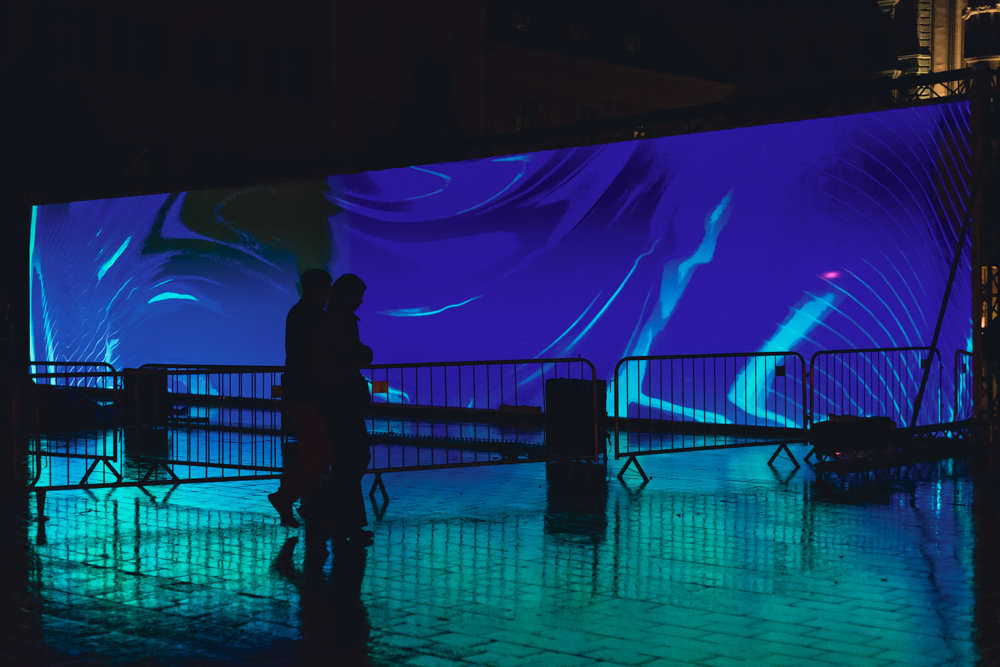
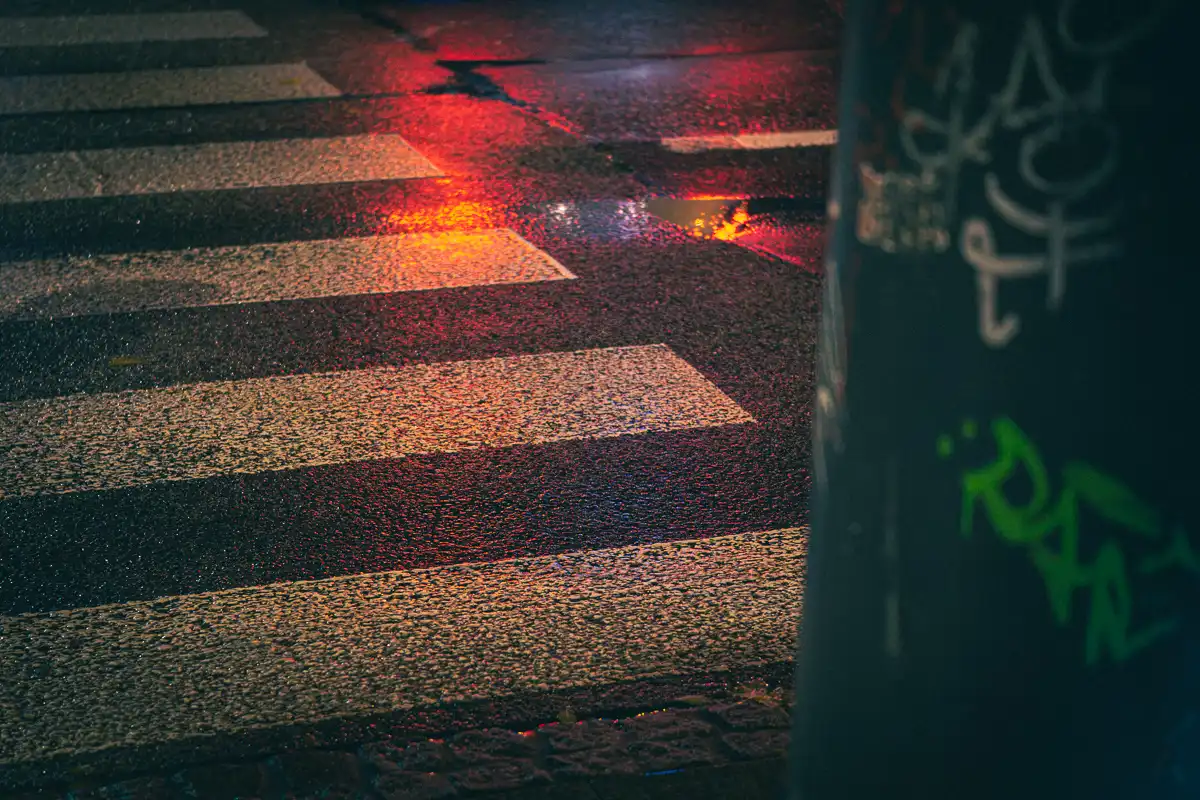
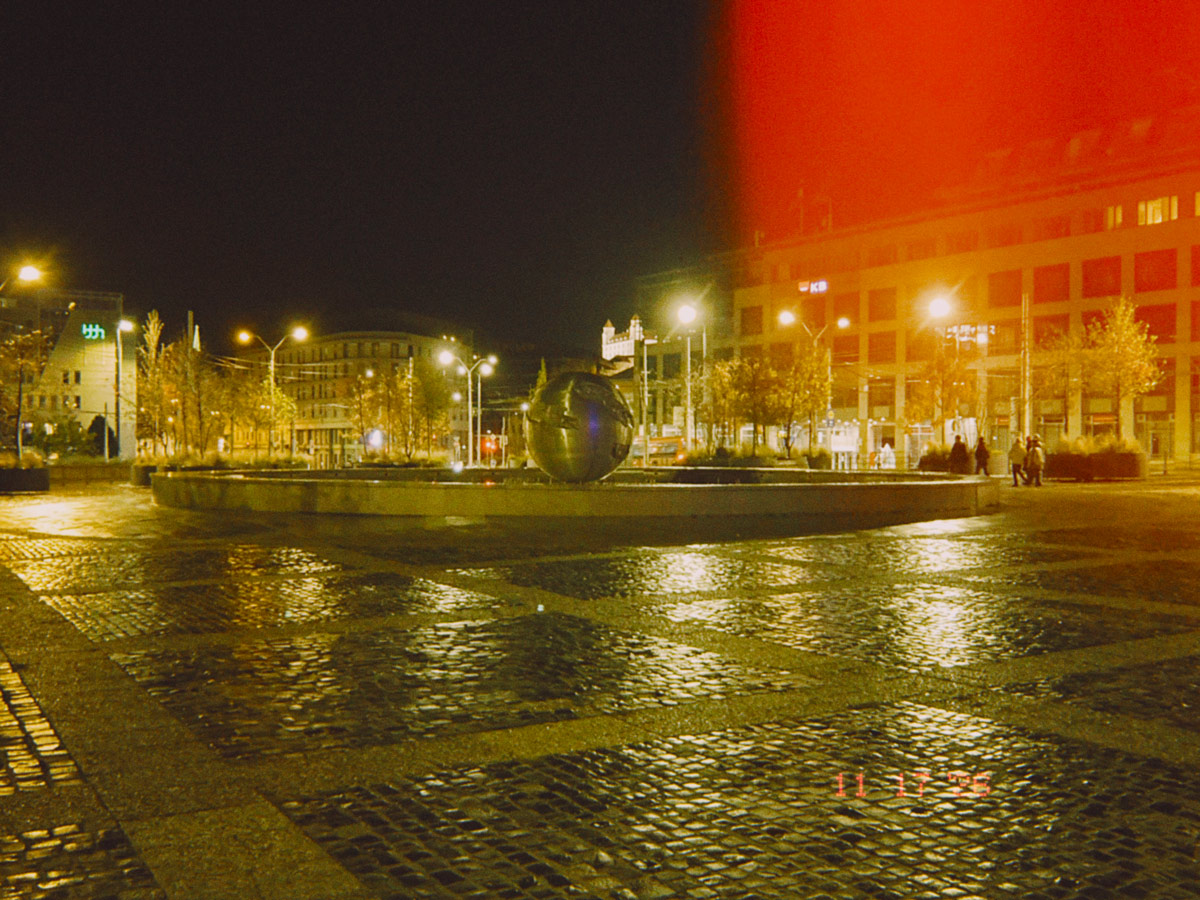
Depending on where you live, neon lights, illuminated public billboards, moving animations, and colorful reflections on wet asphalt can help you create dreamy cityscapes. Their reflections become particularly interesting after dark, when the wet pavement acts like a mirror and transforms ordinary streets into more atmospheric scenes.
I think you can unlock their full potential when combining them with portrait photography. Try photographing people walking past illuminated signs, standing under colorful shop lights, or crossing wet streets. You can also experiment with long exposures to capture light trails from passing cars or motion blur from pedestrians.
Look for contrasting colors, especially when different light sources illuminate the same street. Red, blue, purple, and green lights can create interesting combinations. You don’t always need a recognizable subject, either. Sometimes, abstract reflections and blurred lights can make compelling photographs on their own.

People Taking Shelter
I have already mentioned public transport shelters, but they can also become interesting settings for photographing people during rainy weather. In some countries, including Slovakia, these shelters often have transparent glass panels, sometimes covered with graffiti tags, stickers, or advertising posters.
You can use these elements to create layered compositions. Try photographing people waiting inside the shelter through the glass, focusing either on the person or on the raindrops and marks on the surface. The combination can produce interesting visual effects and partially obscure the subject.
Look for people checking their phones, reading, watching the rain, or simply waiting for their bus. You can also capture silhouettes against the illuminated streets or use the shelter’s glass panels as natural frames.
Another idea is to photograph people entering or leaving the shelter. Their movement can add a sense of spontaneity to your images. If the glass is reflective, experiment with combining reflections of passing cars, buildings, and pedestrians with the people waiting inside.

Rain Through Car Windows
If you have access to a car, try photographing the rain through its windows. You can focus on the raindrops covering the glass or use them to create blurry compositions of the landscape, buildings, and passing traffic outside.
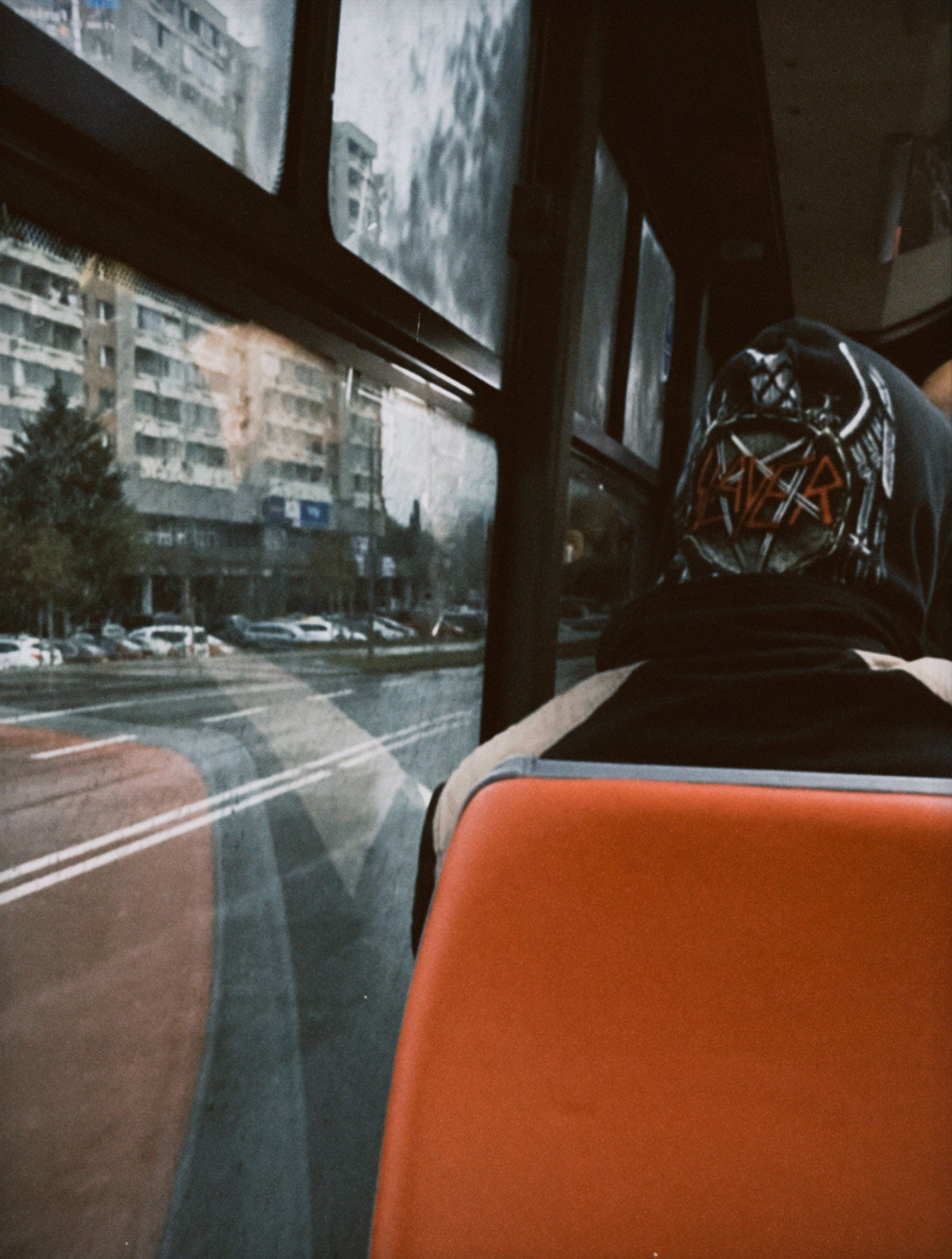
You don’t necessarily need a car for this type of photography. Public transport, such as buses, trams, and trains, offers plenty of opportunities too. You can photograph rainy streets through the windows, but don’t limit yourself to the glass. Look around the vehicle and pay attention to other passengers, their clothing, silhouettes, and interesting color combinations.
You don’t always need to capture someone’s face. A person wearing a distinctive hoodie, a colorful seat, or an interesting combination of shapes and colors can become the main subject. Sometimes, these spontaneous details make more interesting photographs than carefully planned compositions.
Black and White Rain Photography
Rainy weather can be a great opportunity to experiment with black and white photography. Wet streets, reflections, silhouettes, umbrellas, and dramatic clouds can all look interesting without colour.
You can use a monochrome filter directly in your camera app if your device supports it, or convert your photographs during post-processing. The latter gives you more control over contrast, highlights, shadows, and different shades of grey.
When editing, experiment with stronger contrast to emphasise reflections, raindrops, and textures. You can also try a softer look with subtle tonal transitions for more atmospheric street photography. Pay particular attention to light and shadows, as they become even more important when colour is removed from the composition.

Water Splashes
Capturing water splashes can be a fun photography experiment, but it isn’t always easy, especially if you want to avoid getting wet or dirty. You can look for passing cars driving through puddles, water dripping from rooftops, or pedestrians stepping into shallow puddles.
If you want more control over the composition, try photographing splashes near fountains, gutters, or water flowing along the pavement. A faster shutter speed can help freeze the movement and capture individual water droplets in mid-air. You might need several attempts before getting a shot you like, so keep some distance and protect your camera from unexpected splashes.
Architecture After Rain
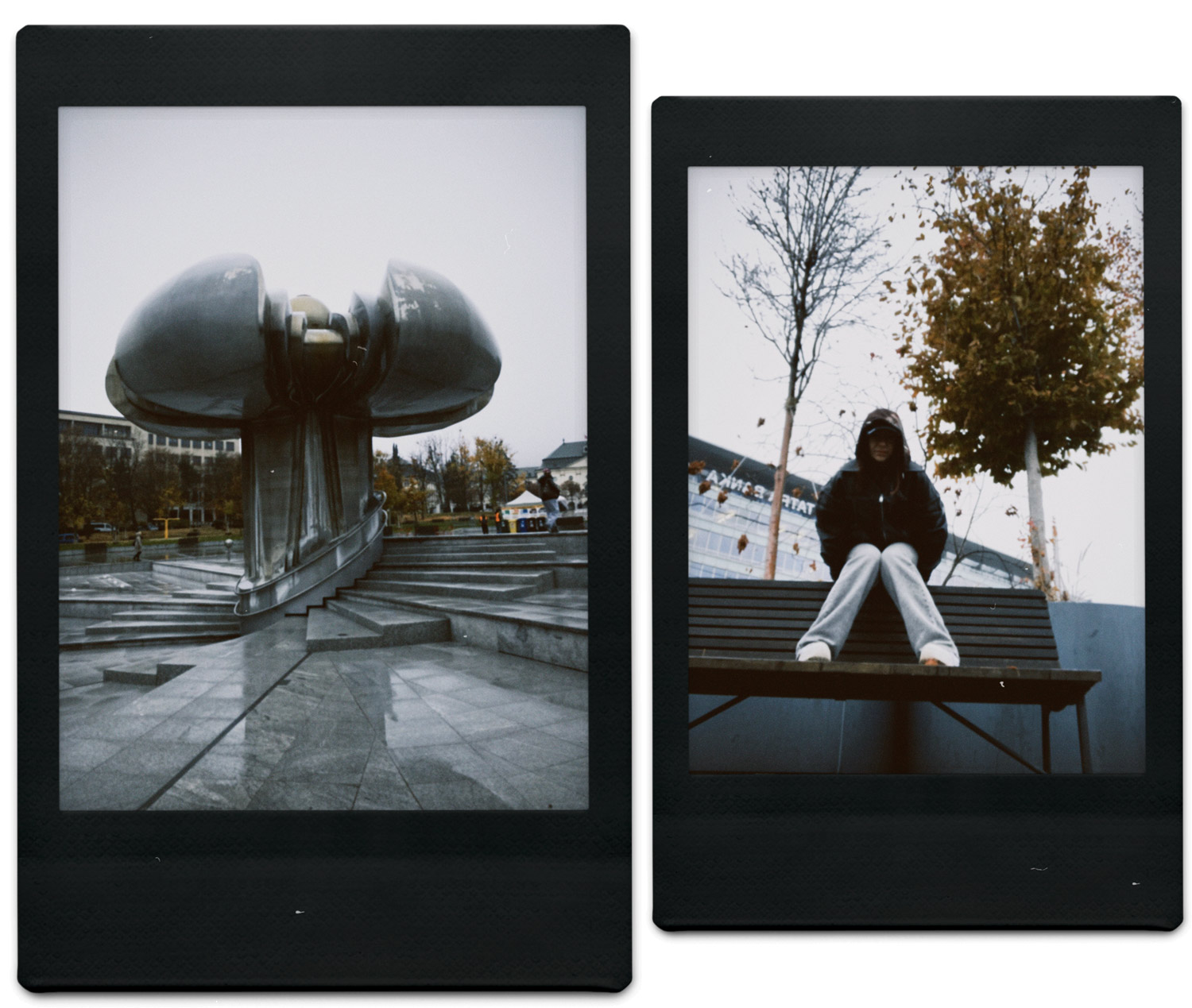
Rain can make architectural photography even more interesting, especially when you find puddles around buildings. Use them to capture reflections of facades, windows, rooftops, or entire structures. Try getting closer to the ground to include both the building and its reflection in the same composition.
You can also photograph architecture without using puddles. Wet pavements, darker facades, cloudy skies, and dramatic lighting can change the appearance of familiar buildings. If the rain stops and the sun comes out, you might also get interesting reflections and highlights on glass and metal surfaces.
Rainy Forests and Nature Trails
I love the saturated green colours you can find in forests and nature trails, especially after rain. Wet leaves, moss, tree trunks, and muddy paths can create beautiful compositions. However, I don’t always have enough time to visit a forest, and I don’t necessarily go hiking when rain is in the forecast.
If you’re in a similar situation, urban parks can be a great alternative. You can find plenty of greenery, trees, and wet pathways without having to travel far. Cemeteries are another option, especially during summer when their trees and vegetation are lush and green. Look for interesting combinations of greenery, old monuments, stone details, and wet surfaces to create more atmospheric photographs.

Spider Webs Covered in Rain
Spider webs covered in tiny water droplets can make beautiful photographic subjects, but they aren’t always easy to find. You might have better luck exploring the countryside, old gardens, abandoned buildings, or urbex locations where spiders can build their webs undisturbed.
Look for webs between branches, fences, window frames, or other structures. Try photographing them against a darker background to make the water droplets stand out. A macro lens can help you capture the delicate details, but you can also experiment with wider compositions that include the surrounding environment.
Moving Cars and Light Trails
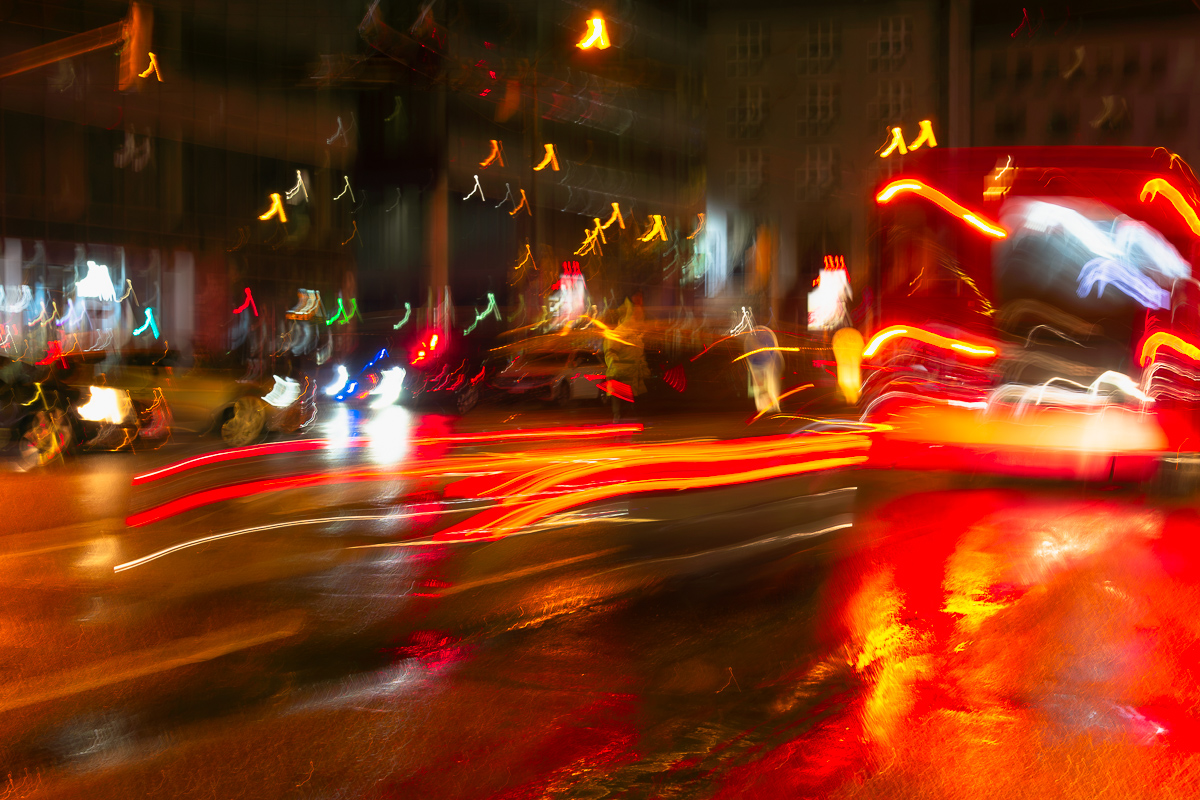
Rainy evenings are a great opportunity to experiment with long exposure photography. Wet roads, passing cars, and streetlights can create interesting light trails and colourful reflections. This technique works particularly well for night photography, when moving vehicles leave visible trails of light across the frame.
Using a tripod will make it easier to capture these effects without unwanted camera shake. It doesn’t have to be a large or heavy one. If you’re using a mirrorless camera, even a small tripod designed for a gimbal can be useful. I sometimes carry one with me because it doesn’t take up much space.
You can also experiment with long exposure on your iPhone. Place it on a small tripod or another stable surface and use the Long Exposure effect to capture moving lights and traffic. It’s a convenient option if you don’t want to carry heavier camera equipment.
Café Windows and Indoor Scenes
Rainy days are also a good excuse to explore cafés, small restaurants, and other indoor spaces with interesting lighting. Look for places with neon signs, illuminated logos, colourful interiors, or even televisions displaying moving images. These elements can create interesting compositions, especially when photographed through rainy windows.
You don’t necessarily have to look for traditional cafés. Small Asian restaurants, kebab shops, and takeaway places can have some surprisingly photogenic neon signs and colourful decorations. I recently photographed several of them along Obchodná Street in Bratislava during a rainy day when a protest was taking place nearby.
You can also photograph the contrast between warm indoor lighting and the darker, wet streets outside. Try capturing reflections in windows, people sitting inside, or illuminated signs surrounded by raindrops.

The City After the Rain
Don’t put your camera away as soon as the rain stops. Some of the most interesting photo opportunities appear just afterwards. I particularly love how fresh and saturated the colours look after rain, especially green grass, trees, and other vegetation.
If you’re lucky, the sun might come out and illuminate the streets, creating interesting contrasts and reflections. You might even spot a rainbow above the city.
Quick Tips for Better Rain Photography
A few additional things can make your rainy-day photography experience easier and more enjoyable:
- Check your camera’s weather sealing: Water resistance varies between camera bodies and lenses. Don’t assume your equipment is waterproof.
- Avoid changing lenses outdoors: Try to choose your lens before heading out to reduce the risk of moisture or dust entering your camera.
- Keep spare batteries warm and dry: Cold and wet weather can make battery management more challenging.
- Wear comfortable waterproof clothing: A rain jacket with pockets can make it easier to carry small accessories while keeping your hands free.
- Watch where you step: Wet stairs, pavements, and metal surfaces can become slippery, especially when you’re concentrating on taking photographs.
- Check your lens regularly: A few drops on the front element can affect image quality, particularly when shooting at night with bright lights.

Final Thoughts
Even if you’re not a big fan of rainy weather, sometimes you might have no choice but to take photographs in less-than-ideal conditions, especially when travelling. If the rain gets too heavy, you can always look for indoor alternatives, such as exploring metro stations and photographing their architecture.
Sources
Sources: