
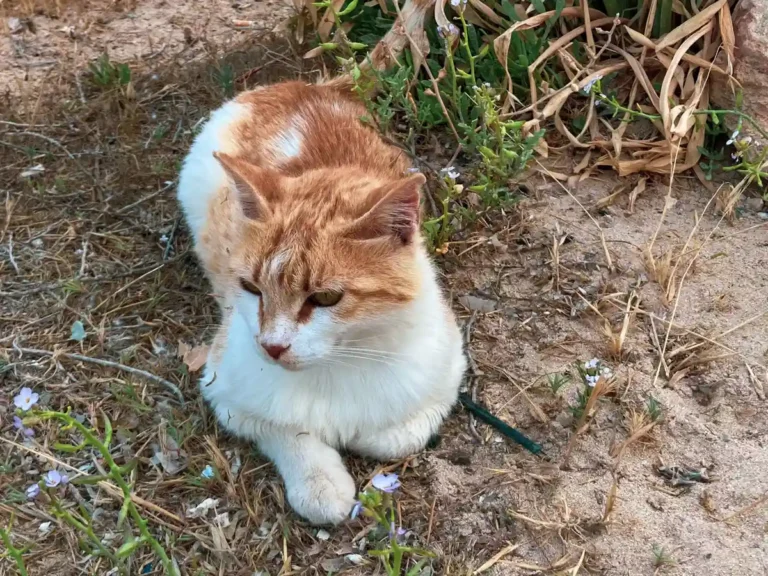
Cyprus is a country full of cats, especially in the more populated areas. However, people do not usually think of it as a cat destination. Cats are more often associated with Turkey, partly because social media is full of videos showing the friendly relationship between locals and cats.
In this article, I will explore why Cyprus has so many cats, how they became such a common part of island life, where you can often see them, and what challenges this large cat population creates.
How Many Cats Live in Cyprus?
The population of Cyprus is around 1,3 mil people including the occupied northern territories. Cyprus welcomes more than 4 million tourists each year, and visitor numbers continue to grow.
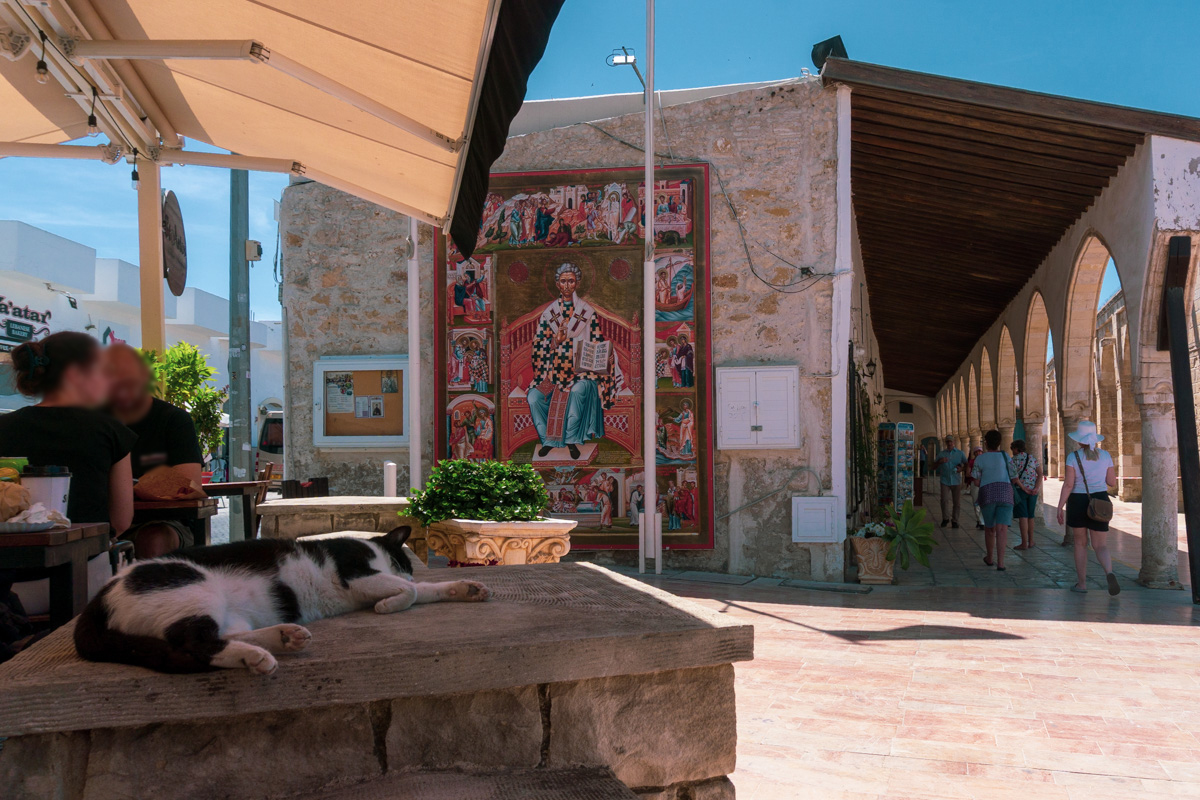
When it comes to cats, nobody knows the exact number living on the island. Some sources estimate that around one million or more free-roaming cats live across Cyprus.
It is difficult to count them because many cats live in colonies around towns and villages. They often move between different areas and usually do not appear in official records.
Not all of these cats are abandoned. Many are community cats that live outdoors and receive care from local residents, businesses, volunteers, and animal welfare groups.
Follow Ruby’s story and see more Cyprus cat adventures on Instagram.
How Cats Became Part of Cyprus’ History
The story of cats in Cyprus goes back thousands of years. While many visitors know the famous legend about Saint Helen and the cats of Akrotiri, archaeological evidence shows that cats arrived on the island much earlier.
One of the oldest known examples of a human-cat relationship was discovered in Shillourokambos, a Neolithic settlement in Cyprus. Archaeologists found a 9,500-year-old burial where a human was buried together with a cat. This discovery suggests that cats already had a special connection with people on the island thousands of years ago.
A much more famous story comes from the 4th century AD. According to local tradition, Cyprus once suffered from a large number of snakes. When Saint Helen, the mother of Emperor Constantine the Great, arrived on the island, she is said to have brought cats from Egypt and Palestine.
The cats were released near the Monastery of Saint Nicholas of the Cats in Akrotiri, where they helped control the snake population by hunting them. Over time, the cats became connected with the monastery and the local culture.
Although the snake story is considered a legend rather than a confirmed historical event, it became an important part of Cyprus’ identity. Today, cats are still closely linked with the island’s history, religion, and everyday life.
Planning a Cyprus road trip? Compare car rental options and find the best way to explore the island.
Why Are There So Many Stray Cats?
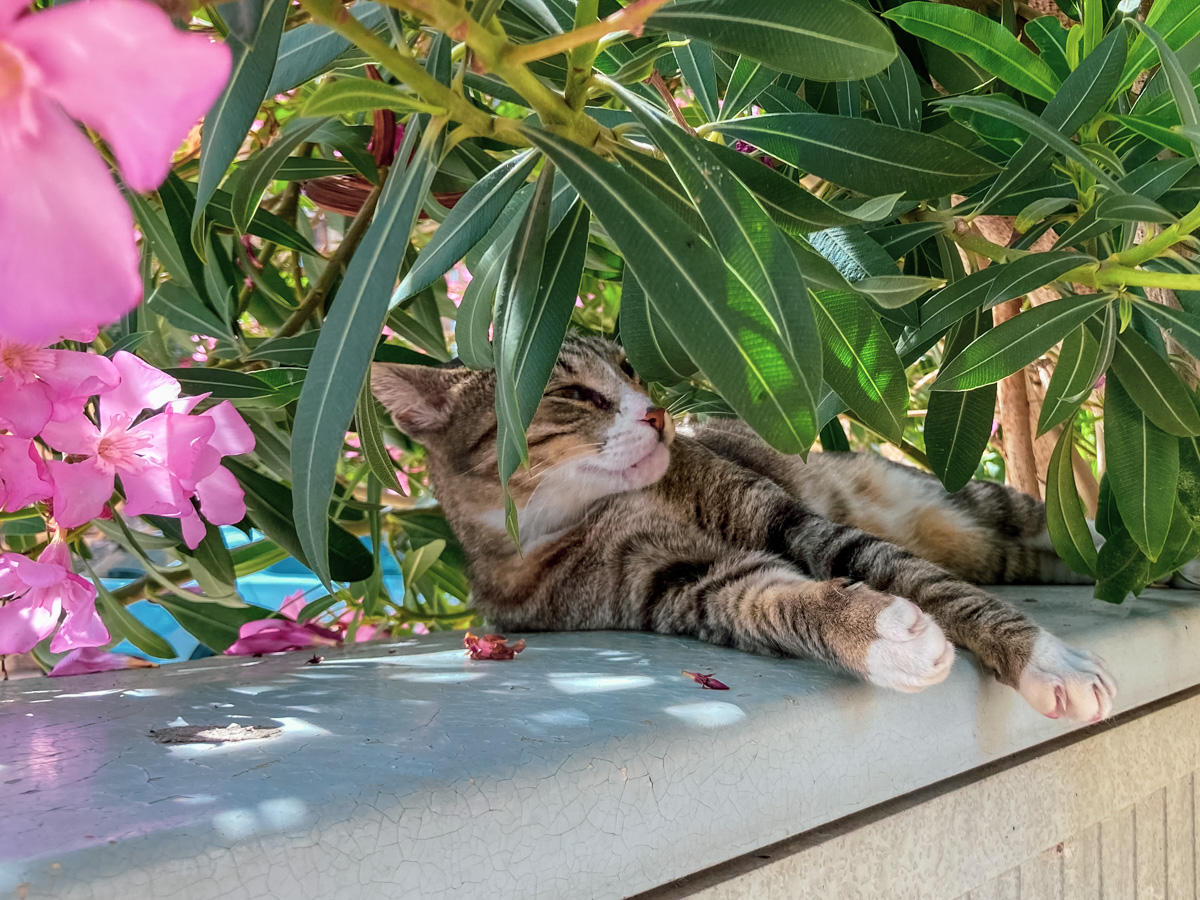
The large number of cats in Cyprus is the result of several factors, including the warm climate, outdoor lifestyle, breeding, and the strong connection between people and cats.
The Mediterranean weather allows cats to survive outdoors throughout the year. Many cats form colonies around towns, villages, beaches, monasteries, and tourist areas where they can find shelter and food.
One of the biggest reasons behind the growing population is reproduction. Many cats are born outdoors, and a lack of widespread sterilisation has made population control difficult. In a 2025 survey, people in Cyprus identified cats being born outdoors (63%) and lack of neutering (57%) as two of the main reasons behind the large number of free-roaming cats.
Abandonment also plays a role, although it was mentioned less often than outdoor births and lack of neutering. Around 24% of survey respondents listed abandonment as one of the reasons for the presence of free-roaming cats.
Another important part of the story is the relationship between people and cats. Many local residents feed and care for community cats. The survey showed that 34% of respondents feed free-roaming cats themselves, while 53% know someone who does.
Tourism adds another interesting layer. Cyprus is often promoted as the “Island of Cats”, and cats have become part of the island’s identity. Visitors often feed cats, photograph them, share them on social media, and sometimes donate to rescue organisations. Many souvenir shops also sell cat-themed products.
However, the situation is not always simple. Some tourists love meeting friendly cats during their holidays, while others feel uncomfortable seeing animals that look sick, injured, or malnourished. Rescue groups also warn that cats depending mainly on seasonal tourist feeding may struggle when visitors leave.
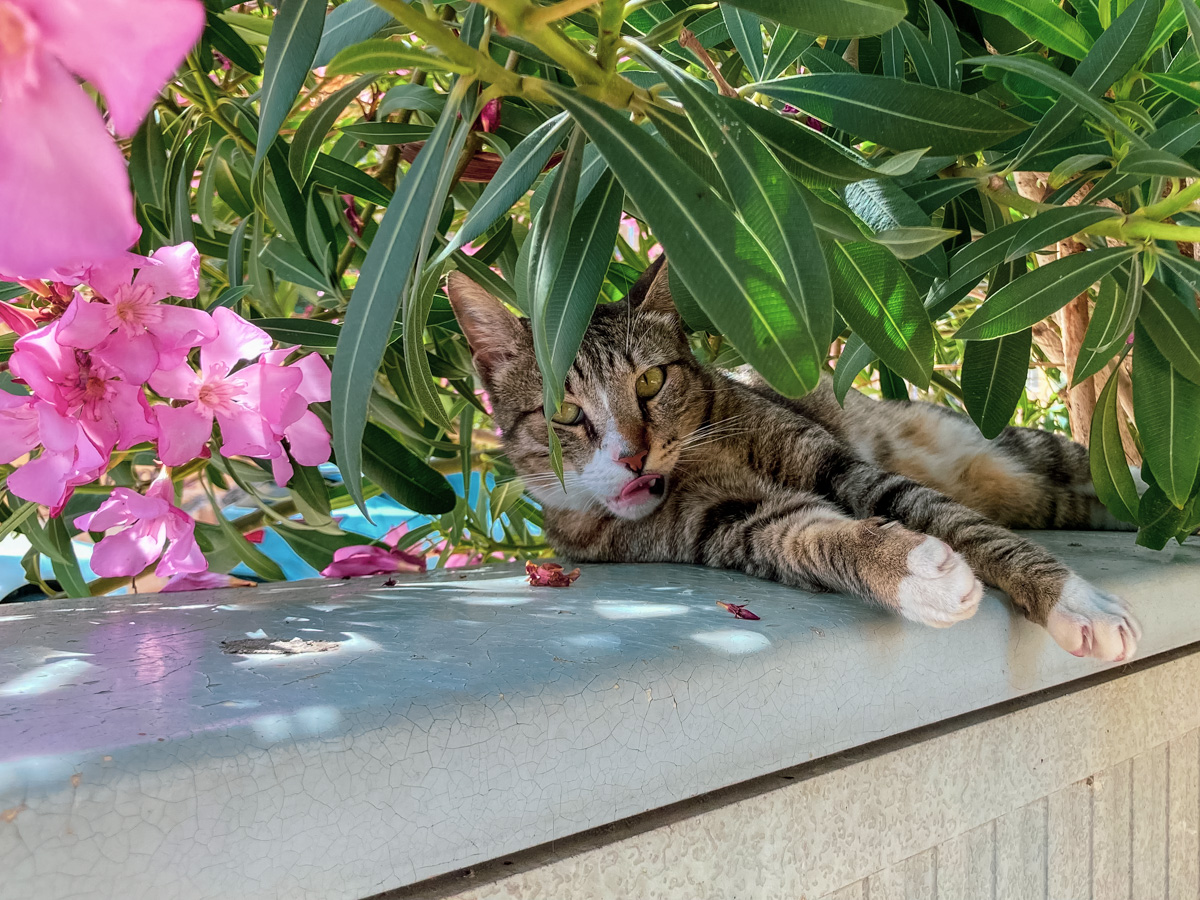
Where I Saw Cats During My Cyprus Trip
During my trip around Cyprus, I noticed that cats were not spread evenly across the island. I saw the biggest number of cats in busy towns and tourist areas where many people live, eat, and spend time outdoors.
The places where I encountered the most cats were Paphos and Ayia Napa. In both areas, cats appeared around streets, restaurants, accommodation areas, and popular attractions.
In Paphos, I saw cats walking around the streets, including areas near the archaeological sites and the city centre. They seemed comfortable around people and were often resting near busy tourist spots.
In Ayia Napa, I also noticed many cats around residential streets and places close to where I stayed. Some travellers also report seeing cats near the hilltop church above Ayia Napa and around coastal walking routes, including areas near the Sea Caves.
Other memorable encounters included a cat sleeping next to a restaurant in Larnaca, right near the famous Church of Saint Lazarus, and a cat resting inside Kyrenia Castle or the Bellapais Abbey. I also spotted cats in smaller places such as Anarita village or the Sanctuary of Aphrodite Kouklia.
Interestingly, I did not see many cats in some of the natural and archaeological areas I visited. During my visits to Akrotiri Salt Lake / Akrotiri Sand Dunes, Kourion Archaeological Site, and central Limassol, I did not encounter any cats, probably because these areas are more exposed and less connected to daily human activity.
One place I would like to visit next time is the Monastery of Saint Nicholas of the Cats in Akrotiri, which is one of the most famous cat-related places in Cyprus. Unfortunately, I did not have enough time to include it during this trip.
Planning a trip to Ayia Napa? Don't miss this furry local icon! Check out my guide to the best things to do in Ayia Napa, including beaches, hidden gems, boat trips, and other must-see attractions.
Are Cyprus Cats Friendly? Can You Pet Them?
Many cats in Cyprus are used to people, especially those living near restaurants, hotels, monasteries, and tourist attractions. Some will approach visitors, ask for food, or happily accept attention.
During my trip, I met several friendly cats that were comfortable around humans. Some allowed me to take photos, while others simply relaxed nearby.
However, remember that not every outdoor cat wants to be touched. Always let the cat approach first and avoid disturbing cats that look scared, injured, or stressed.
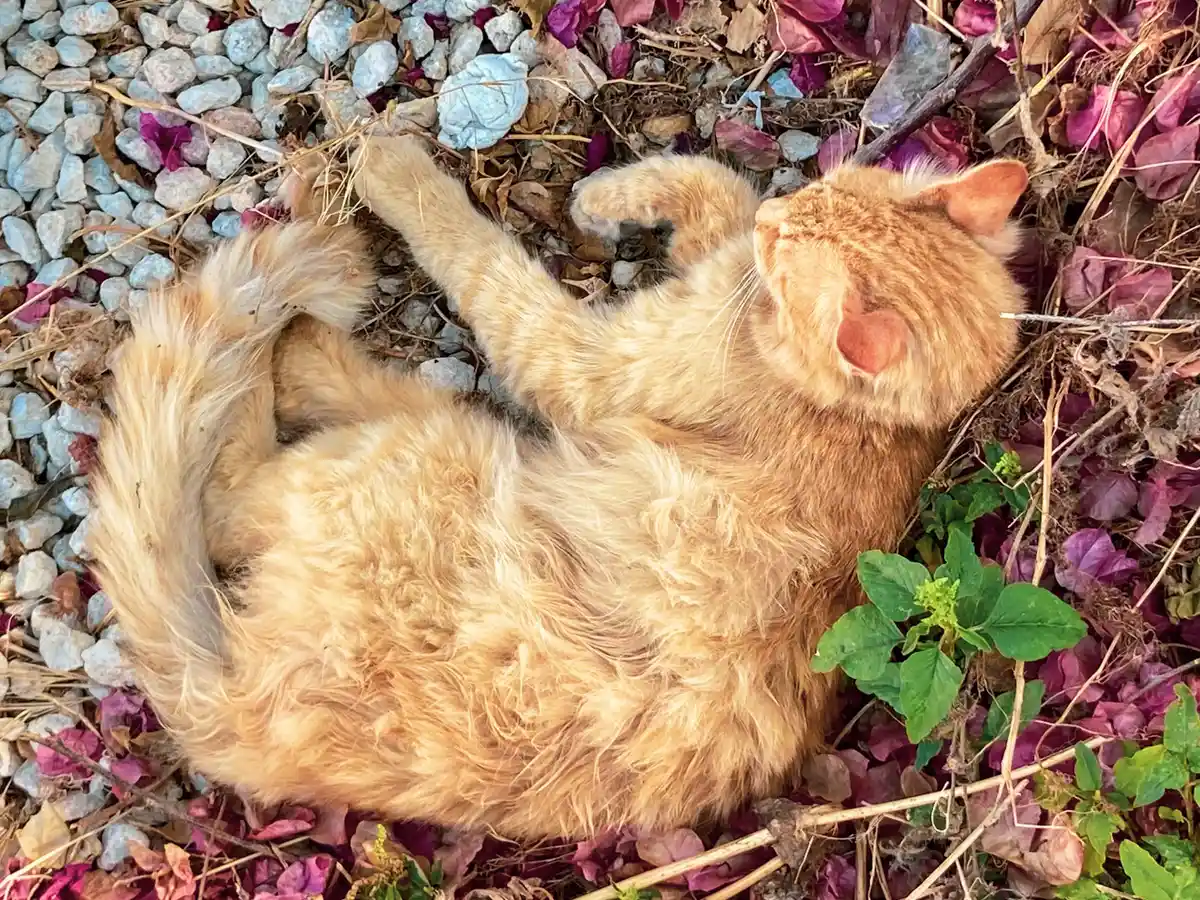
Can You Adopt a Cat from Cyprus?
Many visitors fall in love with Cyprus cats during their holidays and consider taking one home. While adoption is possible, it usually requires more planning than simply bringing a cat from the street.
The easiest option is to contact a local rescue organisation that can help with the process. Many organisations arrange veterinary checks, vaccinations, microchipping, and the paperwork needed for international travel. For example, some Cyprus rescue groups require an adoption application, a discussion about your situation, and sometimes a home check before approving an adoption.
If you want to take a cat from Cyprus to another country, the animal must meet travel requirements. Cats travelling within the EU generally need identification, a microchip, and the necessary health documentation. Cyprus Veterinary Services provide rules for the non-commercial movement of cats and other companion animals.
For tourists, this process can take time. You may need to arrange veterinary appointments, wait for required vaccinations, and organise transport. Some travellers therefore work with local shelters or volunteers who can temporarily care for the cat until everything is ready.
If you cannot adopt, there are still ways to help. Supporting local rescue groups, donating, or sponsoring sterilisation programmes can make a difference for Cyprus’ large community cat population.
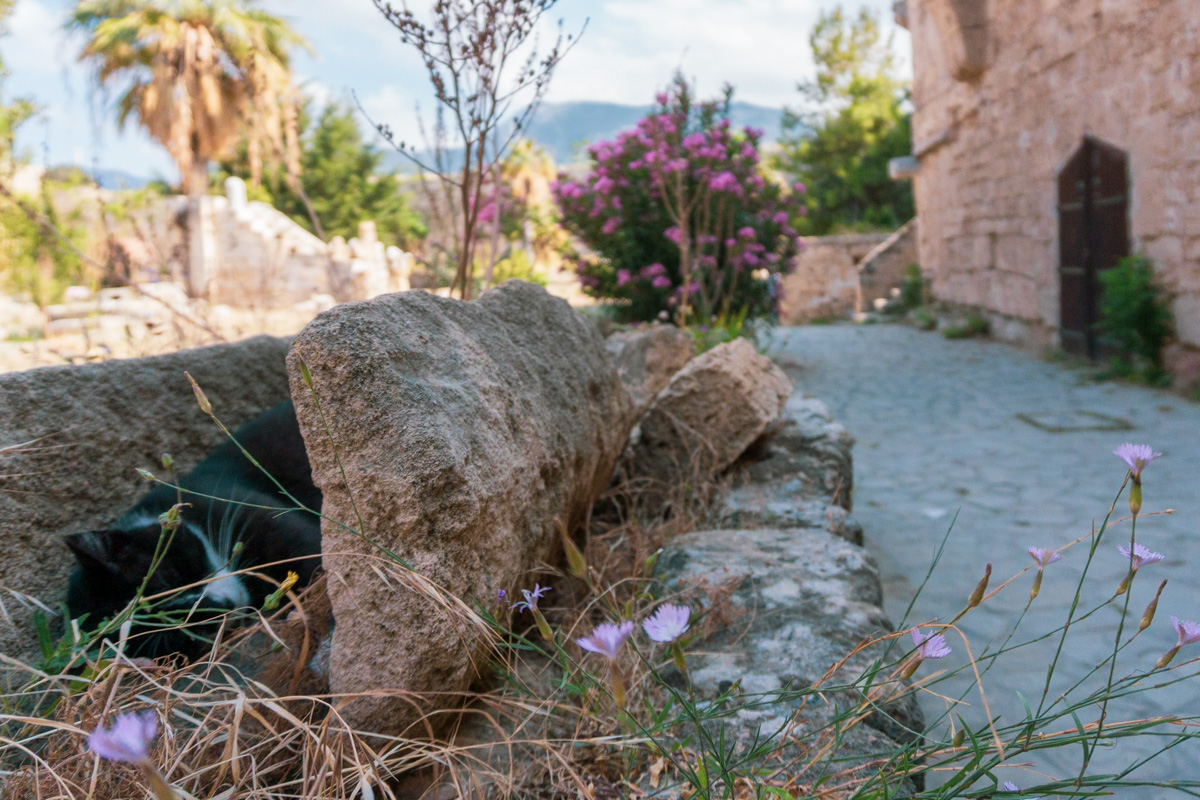
Stay Near Cyprus Cats
As I stated earlier, I noticed the largest number of cats in busy areas like Paphos and Ayia Napa. Staying close to town centres makes it easier to explore local streets, restaurants, and hidden corners where cats often gather. You can look for suitable accommodation by using the map below. It includes offers from many popular hospitality providers.
Final Thoughts: Cyprus, the Island of Cats
After travelling around Cyprus, I quickly understood why cats became such a recognisable part of the island’s identity. They were almost impossible to miss — unlike flamingos and turtles, which decided to keep their distance during my trip.
Since cats are actually one of my favourite animals, I cannot complain. They became my main wildlife encounters in Cyprus. Perhaps the legendary Cyprus cats were so successful at keeping snakes away that they accidentally removed my chances of meeting any local reptiles too.
However, behind the charming photos and friendly encounters, Cyprus also faces challenges with its large free-roaming cat population. Supporting local rescues, responsible feeding, and sterilisation programmes helps protect these animals in the long term.
Sources & Further Reading
- Cyprus Pride House – Cat Adoption Process
https://cypruspridehouse.org/adoption-process/ - Reddit Discussion: Taking a Stray Cat Home from Vacation in Cyprus
https://www.reddit.com/r/cyprus/comments/1s92l95/taking_stray_cat_home_from_vacation/ - Island of Hope Cyprus – Cat Rescue & Adoption Updates
https://www.instagram.com/islandofhope_cyprus - iCatCare Insight Report: Understanding Cyprus Cats and Welfare Issues
https://icatcare.org/resources/icatcare_insight-gathering-report_cyprus.pdf - Veterinary Services of the Republic of Cyprus – Animal Health & Welfare Information
https://www.moa.gov.cy/moa/VS/vs.nsf/vs07_en/vs07_en?OpenDocument=&print= - Ruby from Cyprus – Social Media Cat Adventures
https://www.instagram.com/rubyfromcyprus/
Sources: