

For decades, the golden standard of travel was predictability. When you booked a major hotel chain, you knew exactly what you would get every time. The same experience applied in Tokyo, Toledo, and Toronto alike. It was safe, it was functional, and for a long time, it was enough.
But modern travel has undergone a cultural shift. Today’s travelers are no longer just looking for a place to sleep — they are looking for a place to be.
The modern traveler is increasingly moving away from standardized hospitality and asking a different question: why choose unique accommodations over hotels? The answer seems to lie somewhere between atmosphere, identity, architecture. And the feeling that where we stay should become part of the journey rather than disappear into the background.
This fascination with distinctive spaces reaches beyond travel itself. Some people become known for the places they choose to live in. For example Enya, who has long been associated with living in a historic castle residence. Others are drawn to transforming unusual buildings into something personal and contemporary. Recently, I found myself noticing how even outside hospitality, creative people seem increasingly attracted to spaces with history and character — from old industrial buildings to converted churches and historic homes.
Perhaps this interest in space and atmosphere has been present much longer than I realized. I used to spend my holidays in a Slovak village where one of my grandmothers lived in a traditional house with a gánok. It was a covered veranda overlooking the surroundings. It wasn’t a luxury space, but it had something distinctly atmospheric about it: layered, open, and deeply connected to the rhythm of the village.
Not far from there, a historic manor house still stands, once part of a former aristocratic estate and now renovated, creating a quiet contrast between everyday rural architecture and more monumental historic spaces. Looking back, I realize that these kinds of environments may have shaped how I perceive places today.
Perhaps that same shift explains why unique stays continue to grow in appeal. Travelers are becoming more interested in places that feel memorable rather than interchangeable.
Accommodation is no longer simply a backdrop to a trip. For many people, it becomes one of the reasons to travel in the first place.
In this guide, we’ll explore why unique accommodations are becoming more popular, how they compare with traditional hotels, and the different types of stays travelers are choosing around the world today.
Some links in this article are affiliate links, which may help support this blog at no extra cost to you.

Why unique accommodations are becoming more popular
The growing popularity of unique accommodations is not a passing trend. It reflects a deeper shift in how people approach travel itself. Recent travel data from Skyscanner Travel Trends shows that interest in “unique stays” has increased significantly in recent years, with global search trends rising by around 60% year-over-year as travelers increasingly move toward experience-led accommodation choices. Increasingly, people are no longer collecting souvenirs or ticking destinations off a list; they are collecting experiences, atmospheres, and visual memories.
This is where the question becomes more relevant than ever: why choose unique accommodations over hotels? The answer lies in a combination of changing lifestyle values, visual culture, and the desire for more meaningful connection with the places we visit.
Experience Over Functionality
Traditional hotels were designed around practicality. A bed, a bathroom, a desk, and perhaps a gym or breakfast area were enough. They functioned as temporary bases — places to return to after a day of sightseeing.
Unique accommodations shift this entirely. Staying in a converted monastery, a medieval castle, or a remote architectural retreat turns the accommodation itself into the experience. The place is no longer just where you sleep. Travelers are often willing to trade standardized services for something more immersive, atmospheric, and memorable.
Aesthetic-Driven Travel (Instagram & Pinterest Effect)
Modern travel is deeply influenced by visual culture. Platforms like Instagram, TikTok, and Pinterest have changed not only how we share travel, but how we choose it.
Spaces with strong visual identity — a gothic staircase, a minimalist desert villa, a reading nook inside a converted church, or a centuries-old stone interior — are naturally more compelling in a digital environment.
For many travelers, booking a unique stay is also about expression — creating a story that extends beyond the trip itself and into how it is remembered and shared.
Local Immersion
One of the key reasons unique accommodations are becoming more popular is their ability to connect travelers more deeply with the places they visit. Unlike standardized hotel environments, which often feel interchangeable from one country to another, locally rooted stays reflect the character, history, and everyday reality of their surroundings.
This creates a more grounded travel experience. You are not just observing a destination, but briefly becoming part of it. Whether it is a restored historic home, a small family-run guesthouse, or a converted building with layers of history. These spaces often carry subtle details that reveal more about a place than any brochure or hotel lobby ever could.
I experienced this in a very direct way in Durrës, Albania, where I stayed in a family-run apartment near the city’s ancient amphitheatre. The building still carried visible traces of past earthquakes, with aged walls and a raw, unpolished atmosphere that felt closely tied to the city’s recent history. It wasn’t a polished or luxury stay, but it created a strong sense of place. One that felt far more memorable than many standard hotel experiences.
Moments like these highlight why many travelers are now moving away from predictable hotel chains. It is not just about comfort anymore, but about feeling connected to the environment you are in, even in imperfect or unexpected ways.
Architecture & Design Influence
There is a growing appreciation for architecture and interior design among travelers. Spaces are no longer judged only by comfort, but also by their visual and spatial character.
Exposed stone walls, brutalist concrete forms, gothic arches, or carefully restored historical details turn accommodation into something closer to an aesthetic experience. For many travelers, staying in a thoughtfully designed space is a form of inspiration in itself — something that standard, neutral hotel rooms rarely provide.
Emotional Memory vs. Standard Stay
Think back to past trips. It is often difficult to recall the exact layout of a standard hotel room. These spaces are designed to be functional and neutral — easy to forget by design.
In contrast, unique stays often leave a lasting imprint. The sound of wind through old wooden structures, the light falling through stained glass in a converted church, or the feeling of staying inside a centuries-old castle creates emotional anchors that remain long after the trip ends.
Traditional hotels aim for consistency. Unique stays aim for memory.

Unique stays vs traditional hotels
To better understand the shift in modern travel preferences, it helps to compare traditional hotels with the growing world of unique accommodations. The difference is not only in design, but in the overall experience and emotional impact of the stay.
Chain Hotels
Standardized rooms, predictable layouts, and consistent services across locations. The experience is reliable and functional, but often lacks a strong connection to the destination.
Unique Stays
Character-driven accommodations that reflect local history, architecture, or creative design. Each stay feels different, offering a more immersive and memorable travel experience.
Design Hotels
Visually curated spaces focused on aesthetics, interior design, and atmosphere. These properties often feel like living galleries or editorial spaces designed for inspiration.
Castles & Gothic Stays
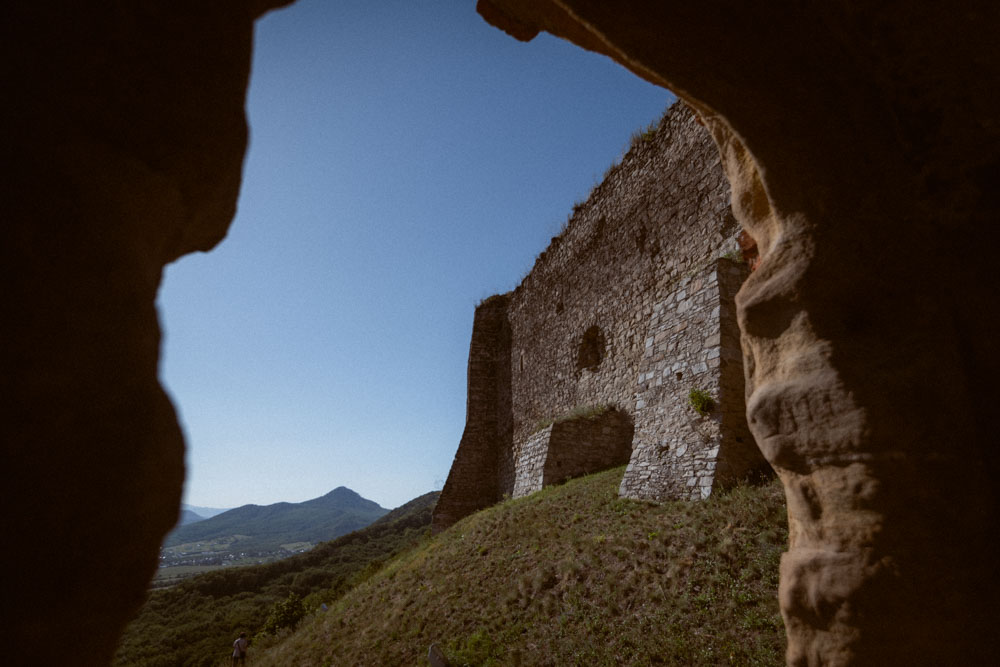
Highly atmospheric accommodations located in historic buildings with strong architectural identity. Thick stone walls, dramatic interiors, and historic settings create a sense of immersion that traditional hotels rarely offer.
Types of unique stays travelers are booking instead of traditional hotels
The shift away from traditional hotels has led to a growing variety of alternative accommodations. These are some of the most common types of unique stays travelers are choosing today.
Boutique Design Hotels
Small, design-led hotels focused on aesthetics, curated interiors, and a more personal guest experience. Travelers choose them for atmosphere and visual identity rather than standardization. This category is especially popular in major urban destinations such as New York, Miami, and Los Angeles.
The demand for boutique hotels is also growing rapidly as part of a broader shift toward experiential travel. Recent industry research shows (Grand View Research Boutique Hotel Market) that the global boutique hotel market is expanding at around 7%+ CAGR and is projected to grow from roughly $30 billion to over $50 billion by 2033. It is driven by travelers prioritizing individuality, design, and local experience over standardized chain stays
A growing share of leisure travelers now actively choose boutique or design-led stays for their ability to deliver more personalized and culturally immersive experiences compared to traditional hotels.
Gothic Hotels
Hotels located in historic gothic buildings or inspired by gothic architecture, offering dramatic interiors, atmospheric lighting, and a strong sense of history and mood.
Castle Hotels
Historic castles converted into accommodations where travelers can experience grand architecture, stone interiors, and immersive historical settings.
Medieval Stays
Restored medieval buildings such as towers, fortified houses, or historic inns that offer a direct connection to older architectural eras.
Architectural Hotels
Modern or historic properties designed by architects as statement spaces, where the building itself is part of the experience.
Art Hotels
Hotels that integrate contemporary art, installations, and creative design into the guest experience, turning accommodation into a curated exhibition-like space.

Unusual and converted stays around the worl
One of the most fascinating parts of the unique stay movement is adaptive reuse. The transformation of old, historic, or abandoned buildings into boutique or experiential accommodations. Instead of being demolished or forgotten, these spaces are redesigned to preserve their original character while offering a completely new way of experiencing them.
Converted Churches
Former churches and chapels are converted into atmospheric stays with preserved stained glass, ceilings, and stone interiors. In Utrecht, the Bunk Hotel shows this transformation clearly. It is a former church redesigned into a modern place to stay. The result feels historic, immersive, and contemporary at the same time.
Castle Stays
Castle stays are not about camping or sleeping outdoors near historic sites — they refer to accommodations located inside or within restored castles and manor houses. These properties allow travelers to stay in rooms that were once part of aristocratic residences, military structures, or historic estates.
Unlike standard hotels, the experience is defined by architecture and atmosphere: thick stone walls, long corridors, towers, courtyards, and landscapes that are often unchanged for centuries.
Heritage Homes
In regions such as Morocco or India, traditional heritage homes like riads or havelis offer stays centered around courtyards, craftsmanship, and local architectural traditions. These spaces often reflect the cultural identity of their surroundings in a very direct way.
Rare Couchsurfing Experiences
Some travelers still explore alternative hospitality through Couchsurfing and similar networks, where experiences range from simple stays in private homes to more unconventional and culturally immersive exchanges, often shaped by personal connection rather than standardized hospitality.
Personal Perspective
This idea of alternative ways of staying in a place is not only something I observe in modern travel trends — it is also something I have experienced personally. It was a short au pair stay in London, which felt less like traditional travel and more like temporarily stepping into someone else’s everyday life. It highlighted how flexible and varied the idea of accommodation can actually be.


Best destinations for unique stays around the world
Europe: Heritage, Castles & Design Hotels
Europe is one of the strongest regions for unique stays, offering everything from historic castles and medieval towns to highly curated boutique and design hotels.- France (Paris) – boutique design hotels, artistic hideaways, and historic boutique spaces in converted buildings
- Italy – heritage stays such as rural villas, cave hotels in Matera, and architecturally rich palazzos
- United Kingdom – castle hotels, country estates, medieval towers, and historic manor houses
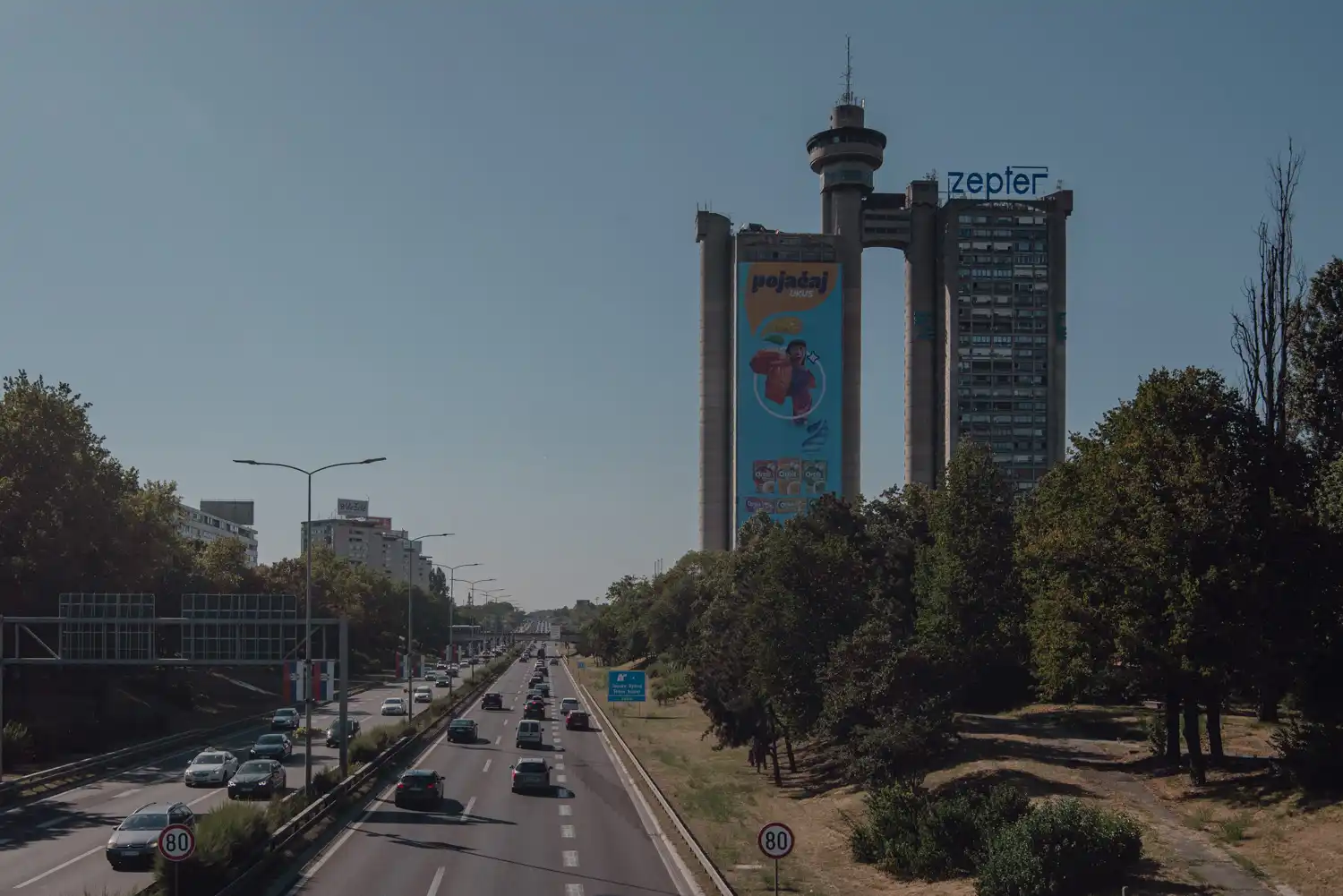
- Serbia (Belgrade / New Belgrade) – a growing mix of brutalist architecture, modernist hotel conversions, and contemporary business hotels, including design-focused stays around New Belgrade’s landmark buildings such as the Zepter-style corporate and architectural complexes
Use the map below to explore and compare boutique stays and design hotels in Paris and Le Marais in real time. Prices and availability vary by season and location.
United States: Urban Industrial & Southern Gothic
The US offers a contrast between modern industrial design and deeply atmospheric historic architecture.- New York City – converted industrial loft hotels, boutique design stays, and architectural hotels in Brooklyn and Manhattan
- New Orleans – Southern Gothic mansions, historic Creole townhouses, and atmospheric heritage stays in the French Quarter
Desert Regions: Minimalism & Surreal Landscapes
Desert destinations are known for architectural minimalism and immersive natural surroundings.- United Arab Emirates – luxury desert resorts combining futuristic design with Bedouin-inspired elements
- Morocco – riads, desert camps, and eco-lodges in the Sahara and Agafay Desert
Conclusion
The shift toward unique accommodations reflects a broader change in how people travel today. Instead of choosing standardized hotel experiences, travelers are increasingly looking for places that feel connected to their destination, its architecture, and its atmosphere.
From boutique design hotels and gothic-inspired stays to castle hotels and converted historic buildings, accommodation has become an essential part of the travel experience itself rather than just a place to sleep.
When planning your next trip, it is worth looking beyond traditional hotel searches and exploring stays that offer character, history, and design-driven experiences. These are often the places that turn a simple trip into a lasting memory.
Explore some of the most unique stays around the world using the map above and find a place that matches your own travel style.

Sources & Further Reading
- Skyscanner Travel Trends – Stays & Experiential Travel Insights
- Skyscanner Travel Trends Report – Future of Travel
- Grand View Research – Boutique Hotel Market Report
- SkyQuest Research – Boutique Hotel Industry Analysis
- Emergen Research – Global Boutique Hotel Market Study
Sources: