
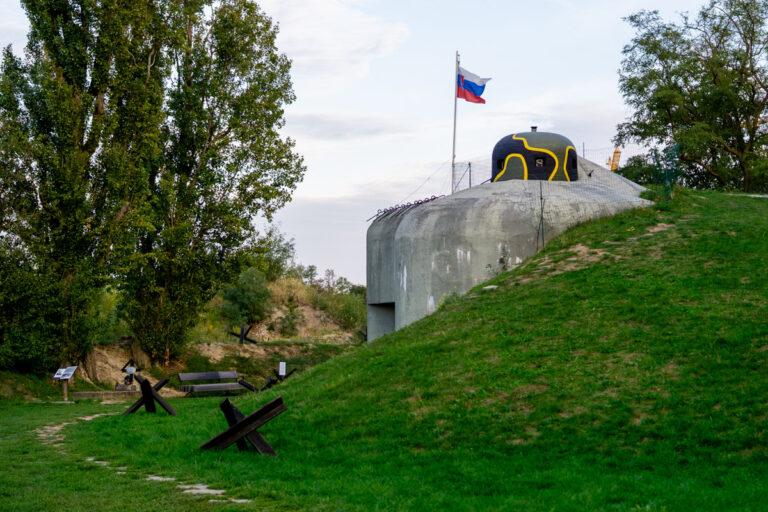
Bratislava is more than its historic city center, castle, and socialist architecture. Around the city, especially in the Petržalka district near the Austrian border, you can find numerous military bunkers. These defensive structures were built in the 1930s to protect Czechoslovakia against the growing threat of Nazi Germany.
In this Bratislava bunkers guide, you will find a map of the bunkers and information about the largest ones, some of which now serve as museums. I also share tips on how to reach them by public transport, car, or bicycle, as well as on foot. If you prefer exploring with a guide, you can also find organized tours, including private tours and cycling tours.
Map of Bratislava Bunkers
Use this map to find the locations of Bratislava’s bunkers and plan your visit. It shows where the bunkers are located in relation to the city center and nearby borders.
Best Bratislava Bunkers to Visit
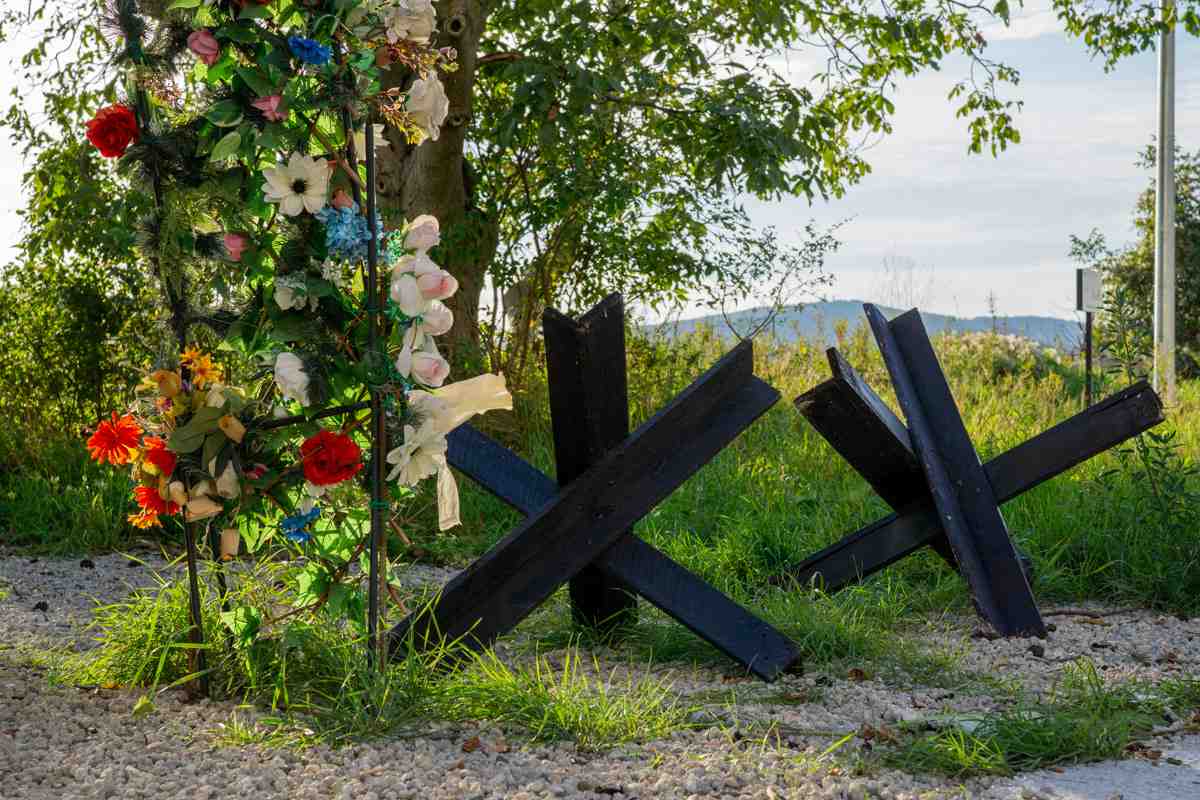
Here are my four recommendations for exploring Bratislava’s bunkers. Two of them house military museums with opening hours and guided tours, and one charges an entrance fee. The other two are more suited to urbex enthusiasts, as they are located in wooded areas near Lafranconi Bridge. There are also more smaller bunkers around or between them.
Bunker B-S 8 "Cemetery"
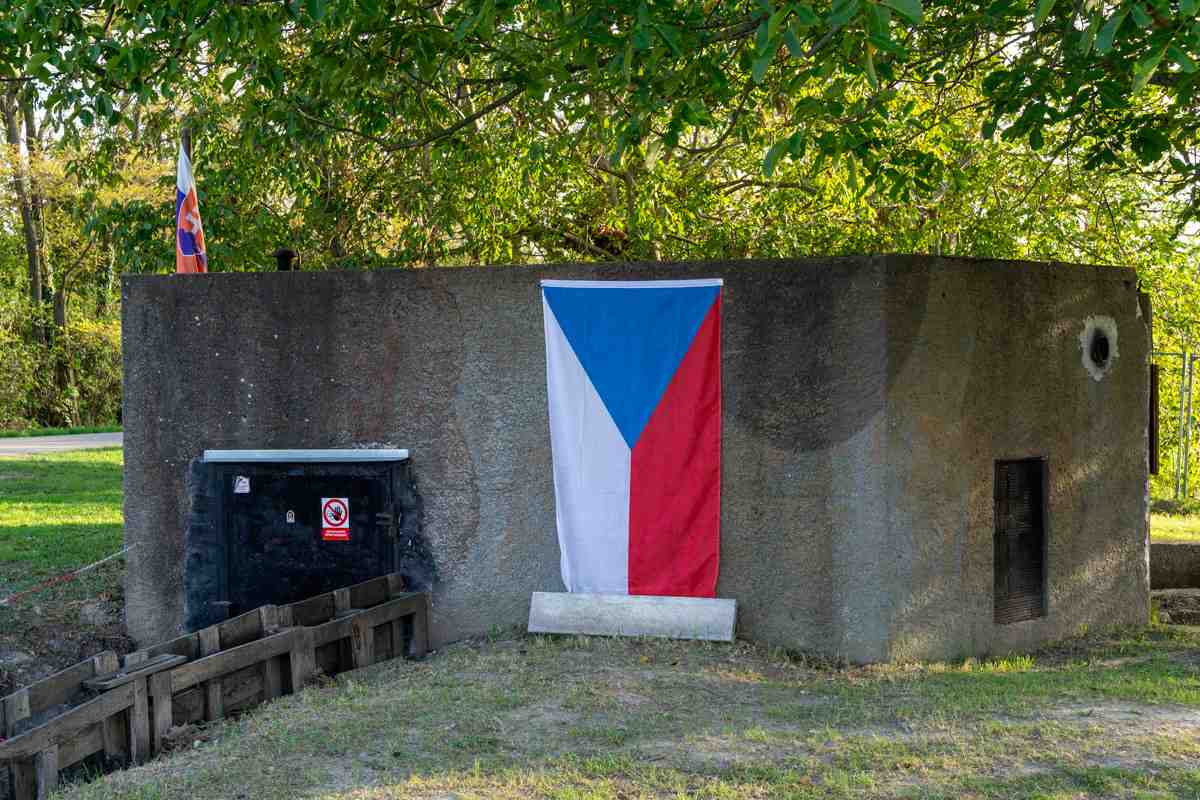
Bunker B-S 8 “Cemetery” (Hřbitov) is one of the most impressive remnants of Bratislava’s pre-World War II fortifications. It is the largest and most heavily armed bunker in the city’s defensive line, built in 1937 as part of the Czechoslovak border defense system.
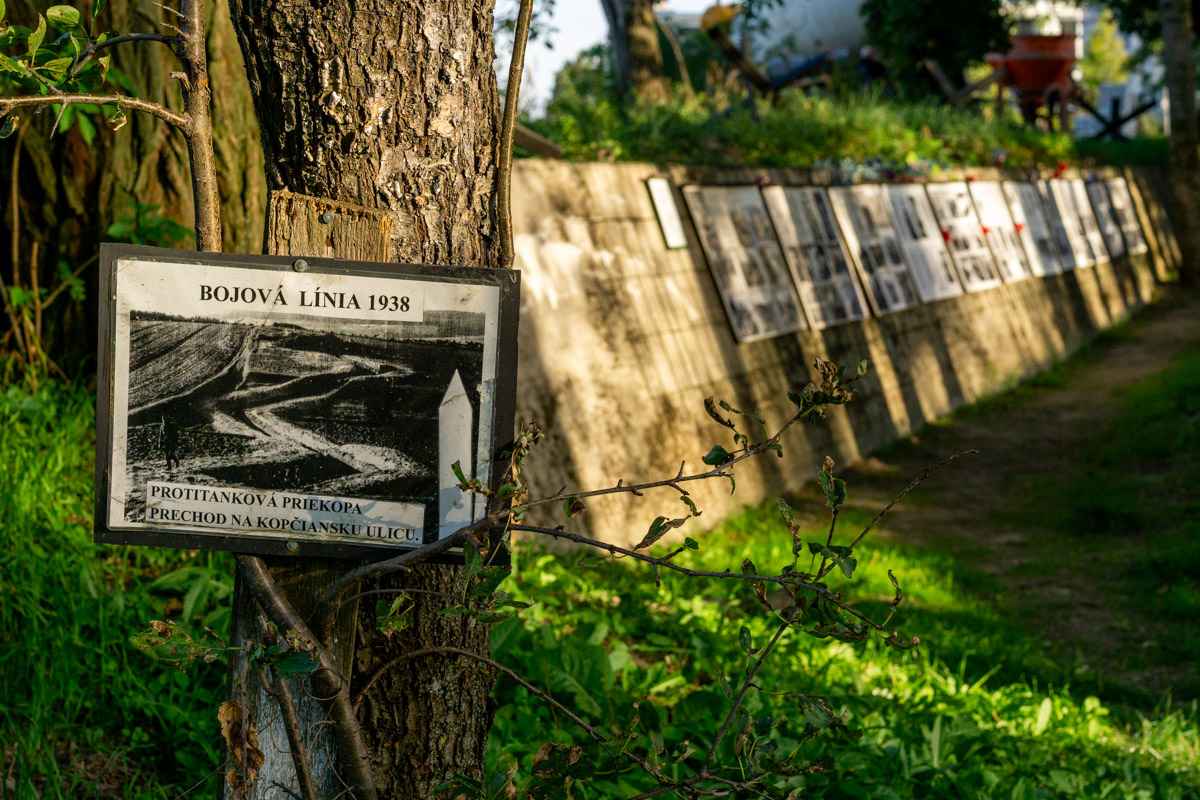
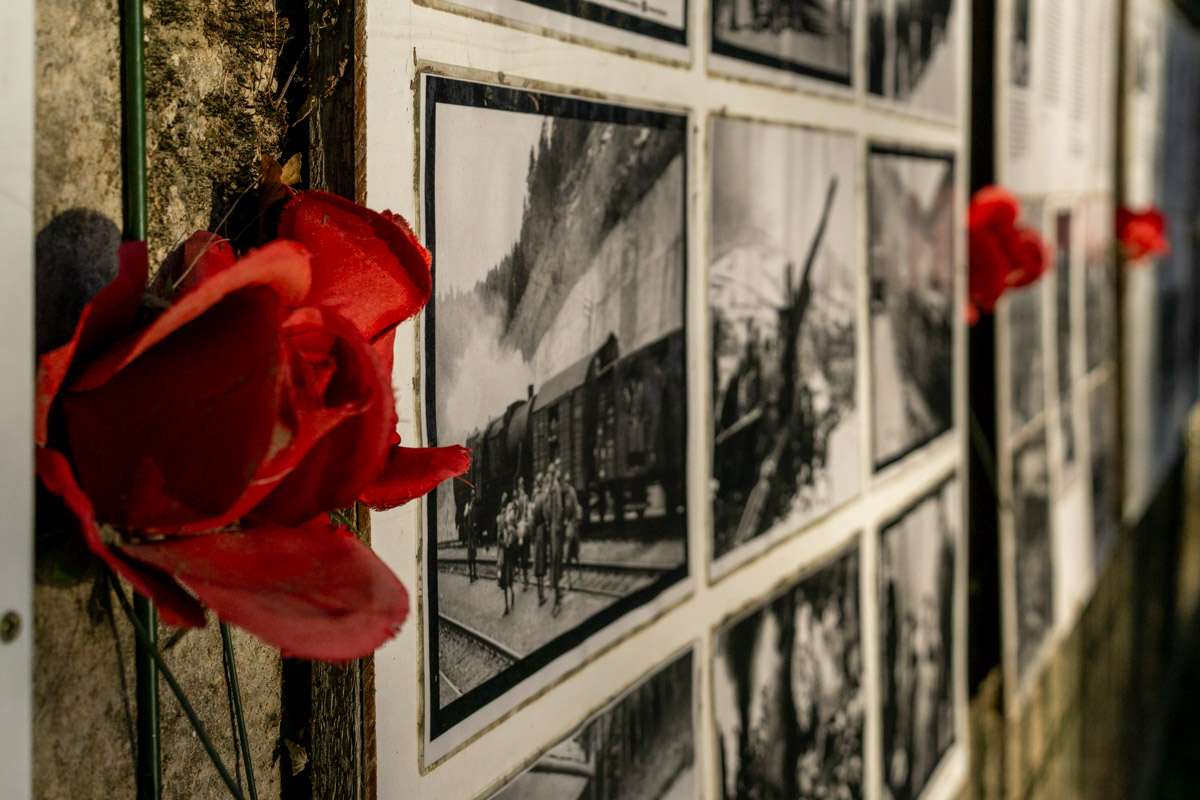
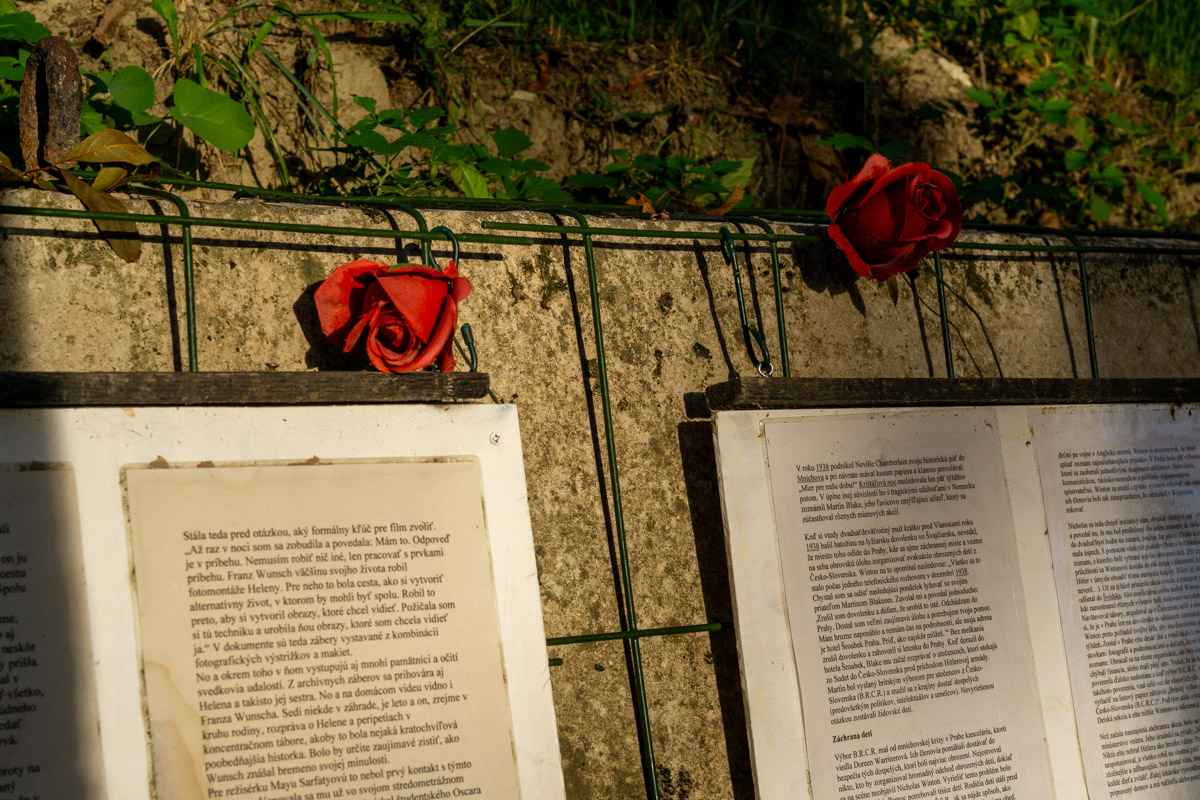
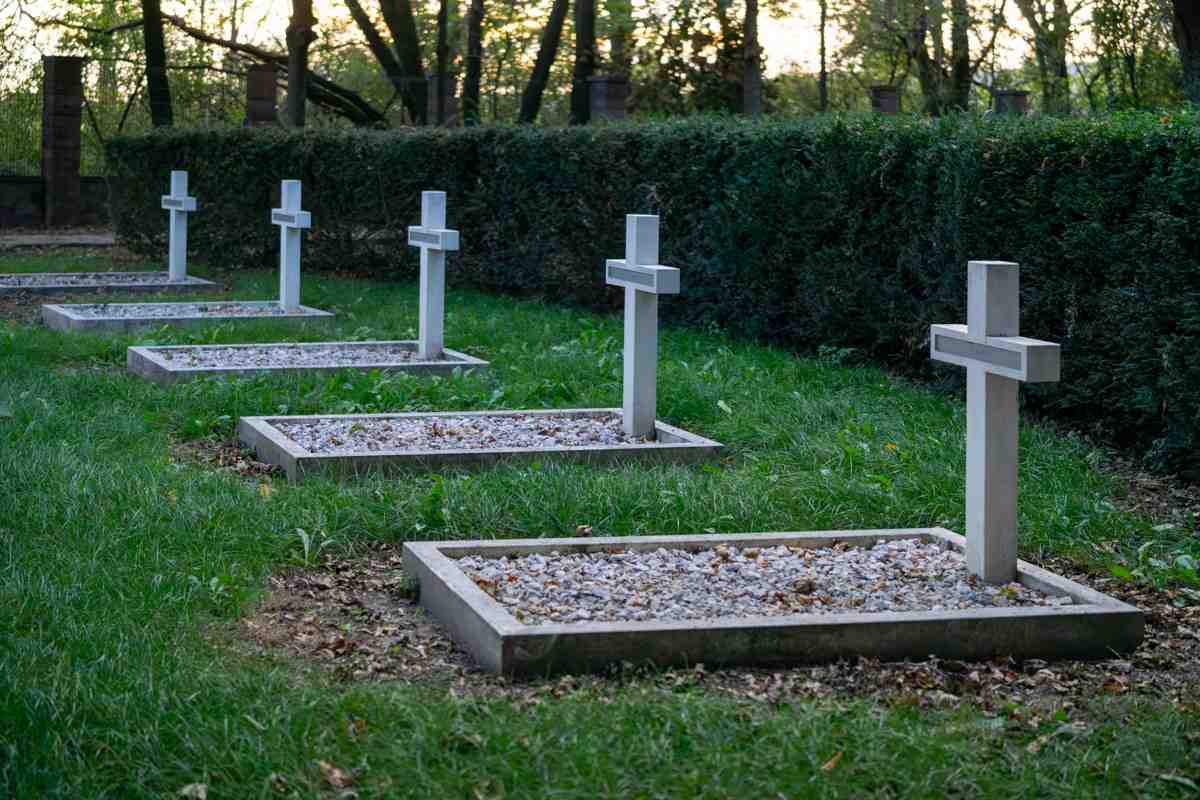
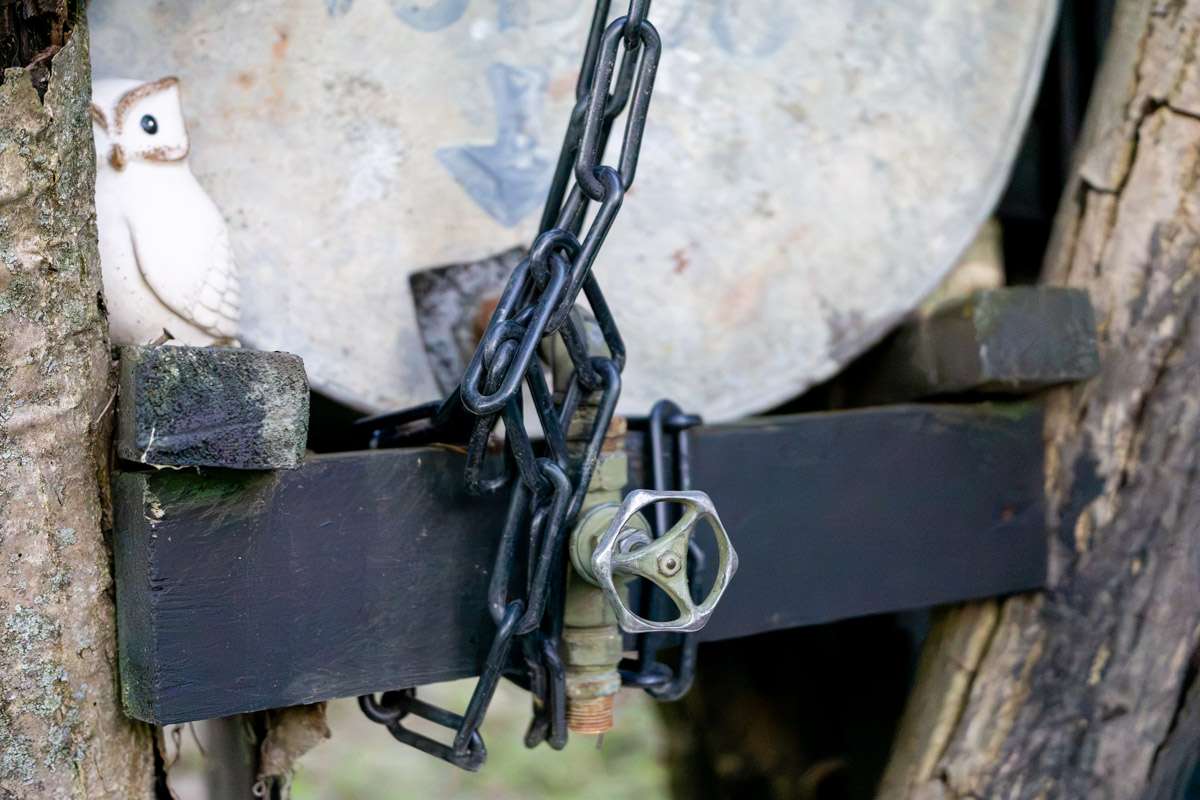
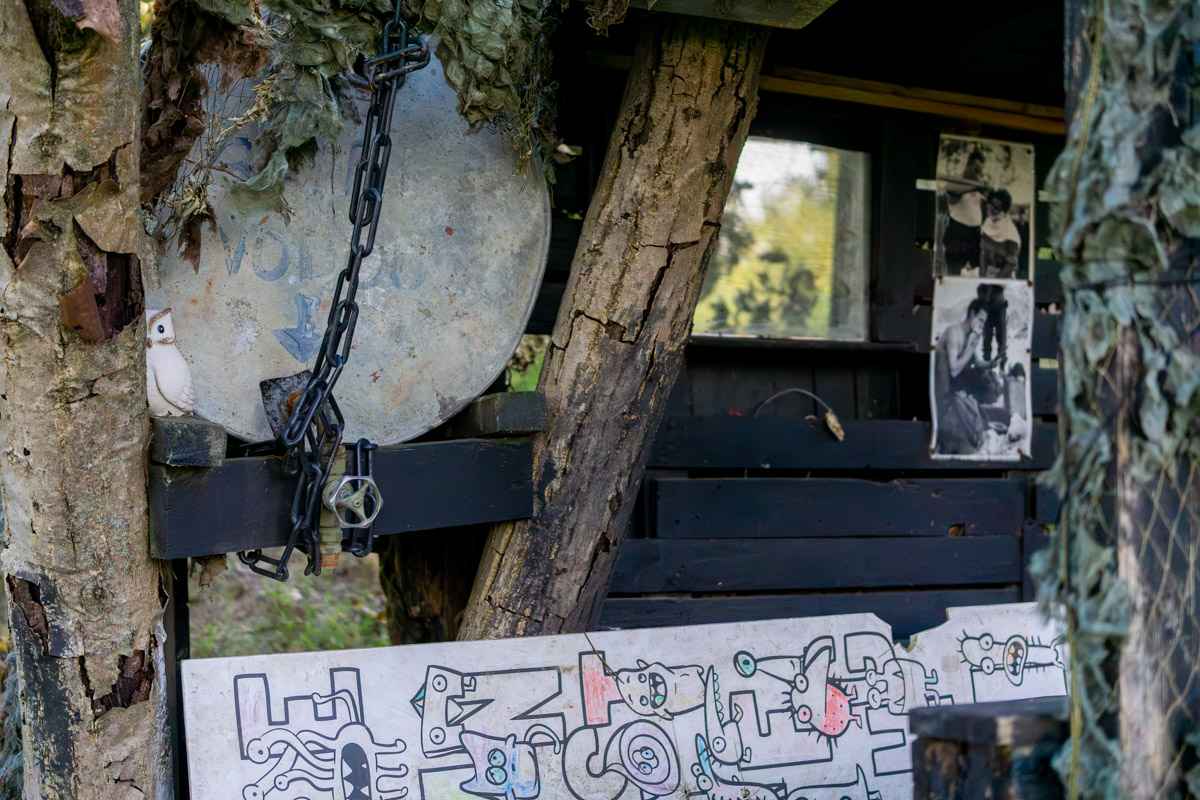
What makes this place particularly interesting is not only its military history but also the story of its restoration. When I visited, I had the opportunity to talk to one of the volunteers who helps maintain the site. He also works as a reporter and told me how he discovered the nearby military cemetery, which had become overgrown and was difficult to recognize as a historical site. The bunker and its surroundings had also fallen into disrepair. Over time, enthusiasts reclaimed the area, renovated the interior, and created an exhibition with historical photographs, military equipment, and other artefacts.
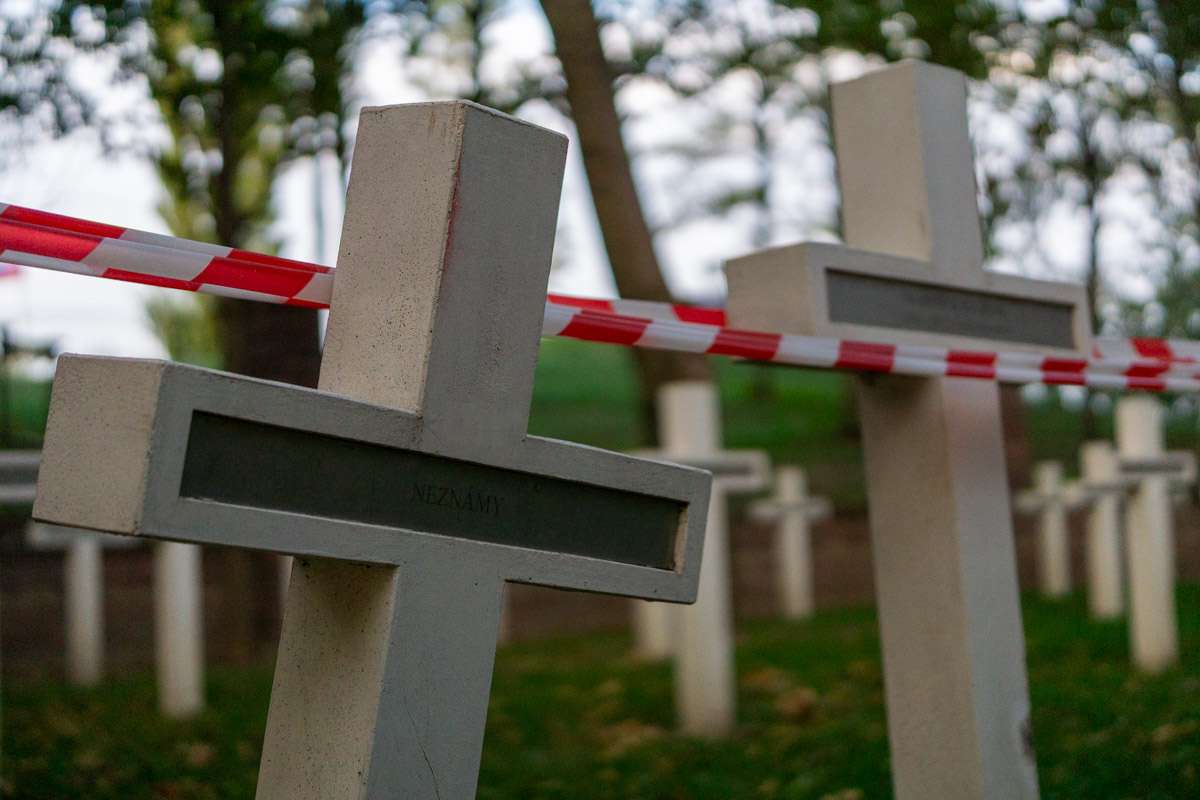
Today, the bunker serves as a small military museum, and the grounds around it are used for various events and team-building activities. It is also a popular stop for cyclists and families with children. Besides exploring the bunker itself, you can visit the nearby World War I military cemetery and walk towards the Austrian border.
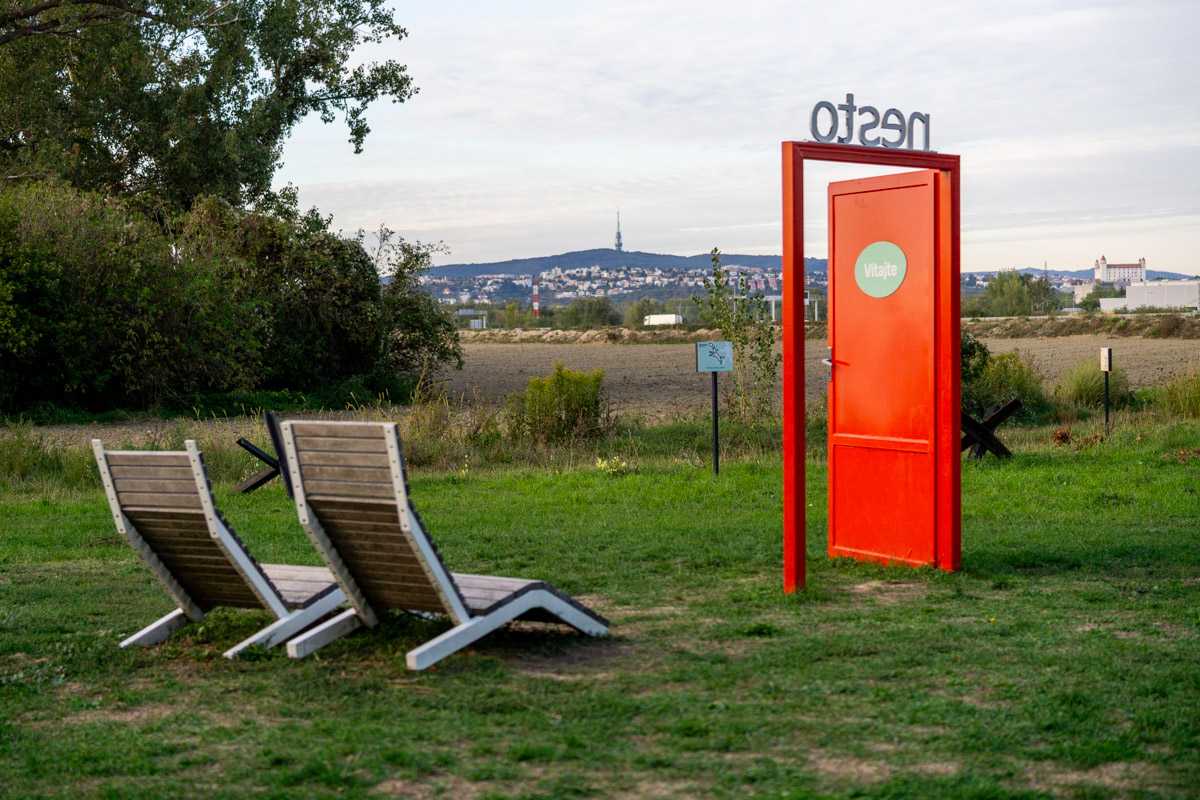
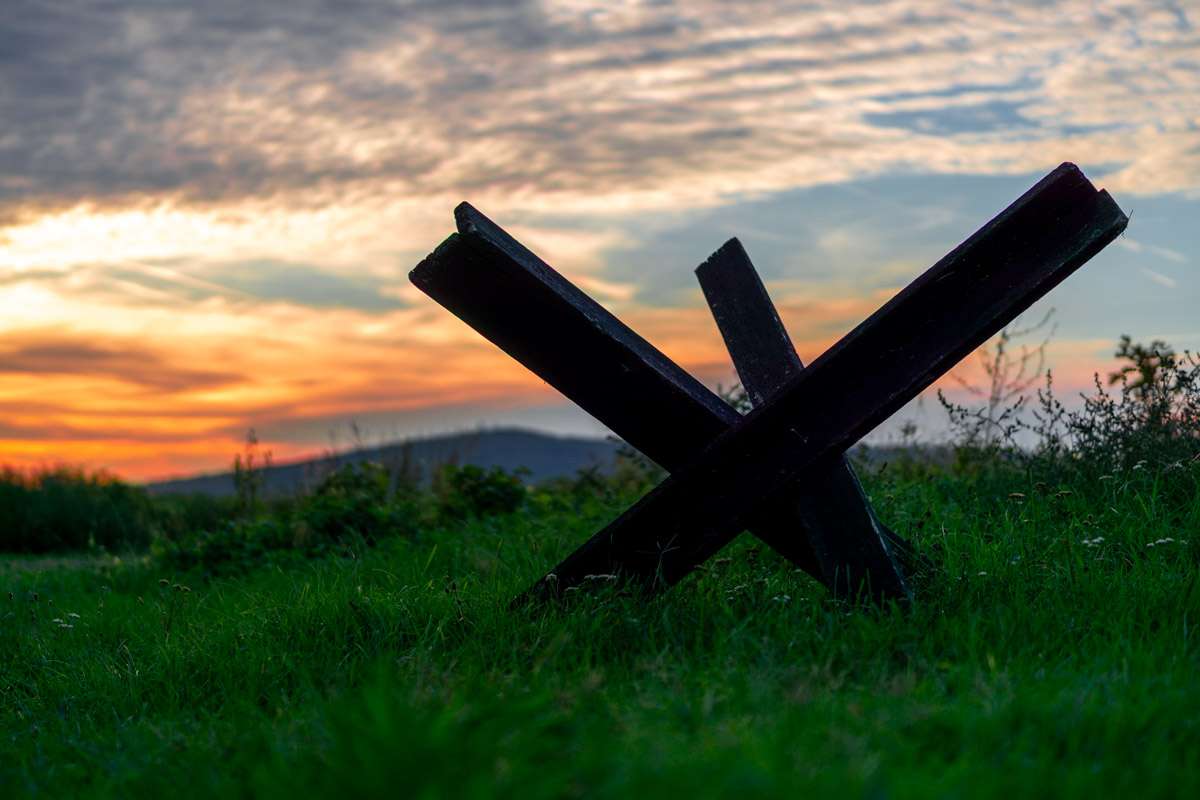
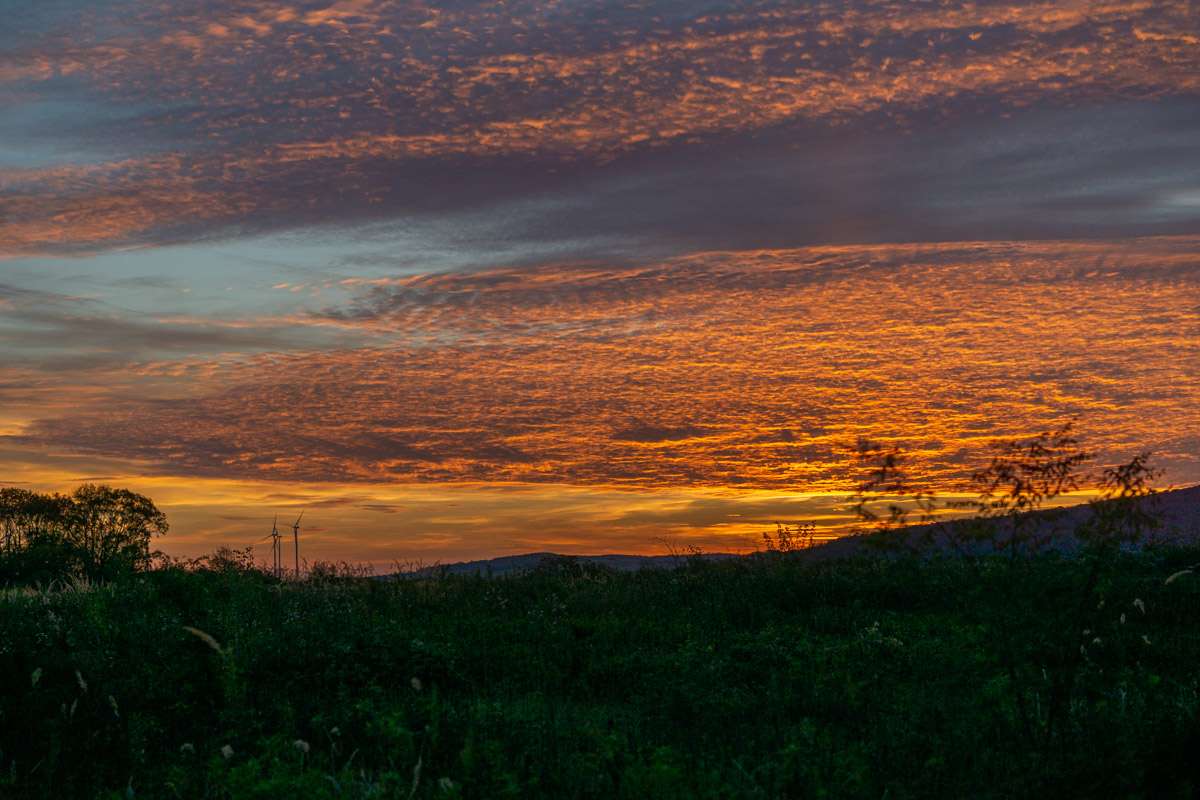
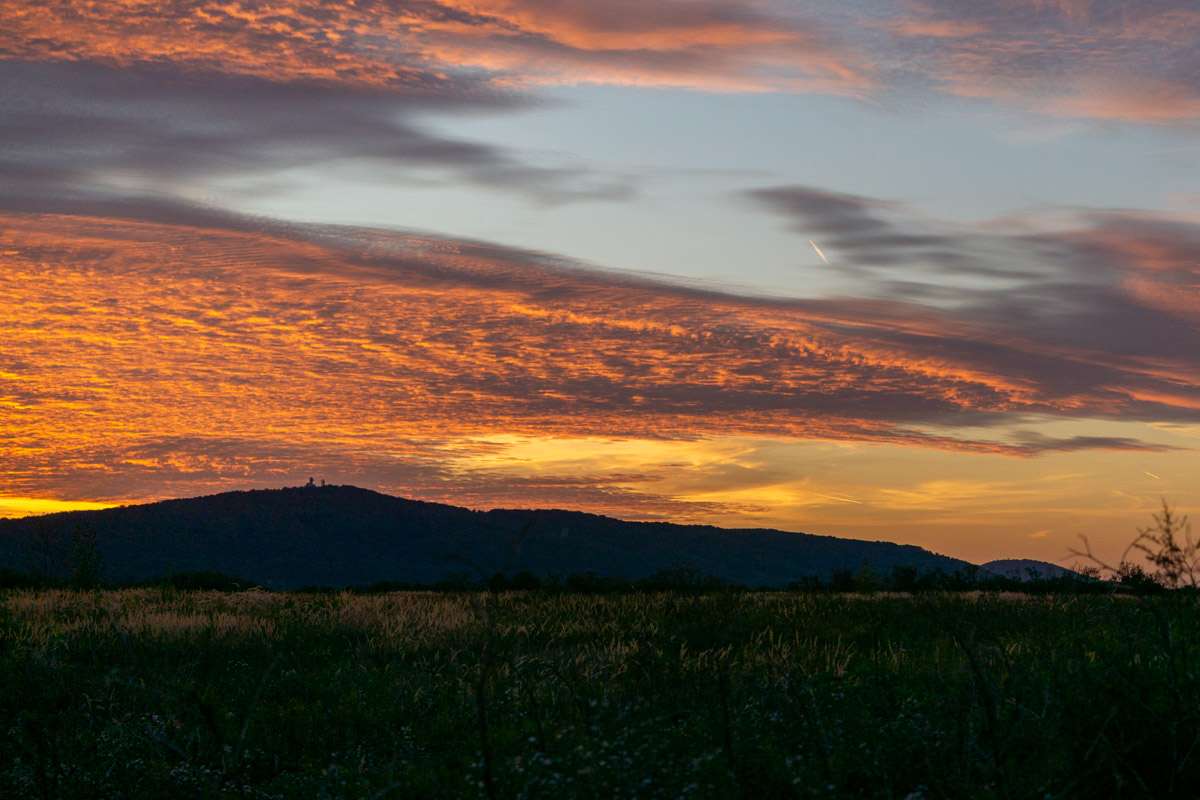
I particularly enjoyed the unusual landscape around the site. On one of my visits, the dry, open field and warm evening light reminded me of an African savanna. With a little imagination, it almost felt as if a few wild animals were missing from the scene. However, there is currently a construction site nearby, which makes the surroundings somewhat less peaceful than they could be.
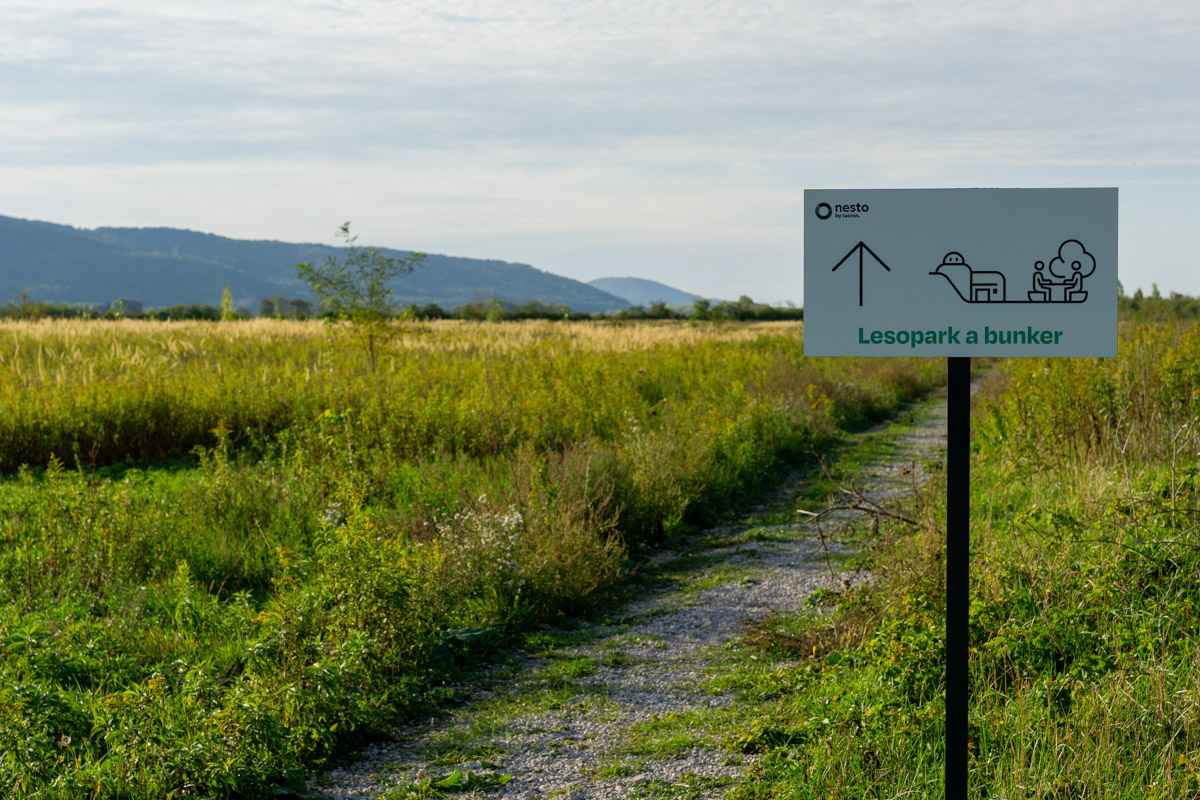
How to get there: You can reach the bunker by public transport (bus 80 that goes from city center Kollárovo námestie to last bus stop Nesto), bicycle, or car. It is also a possible stop on a cycling trip towards the Austrian border and the nearby village of Kittsee. If you are travelling by public transport, expect a short walk from the nearest bus stop. Follow the actual pedestrian route rather than relying blindly on navigation apps, as some suggested routes may lead through construction areas or inaccessible roads.
Opening hours: The listed opening hours are daily from 3 pm to 6 pm, Monday to Sunday. However, opening times may change, and visitors have occasionally reported finding the bunker closed during the advertised hours. I recommend checking the official B-S 8 Facebook page or contacting the volunteers before visiting, especially if you want to see the interior.
Admission: An entrance fee may apply for the interior and guided visits. Recent visitor reports mention a fee of around €5, but check the current price before your visit.
Good to know: Even if the bunker is closed, the surrounding grounds and nearby cemetery may still make the trip worthwhile. Allow some extra time to explore the area and enjoy the views towards the Austrian border.
Bunker B-S 4 Lány
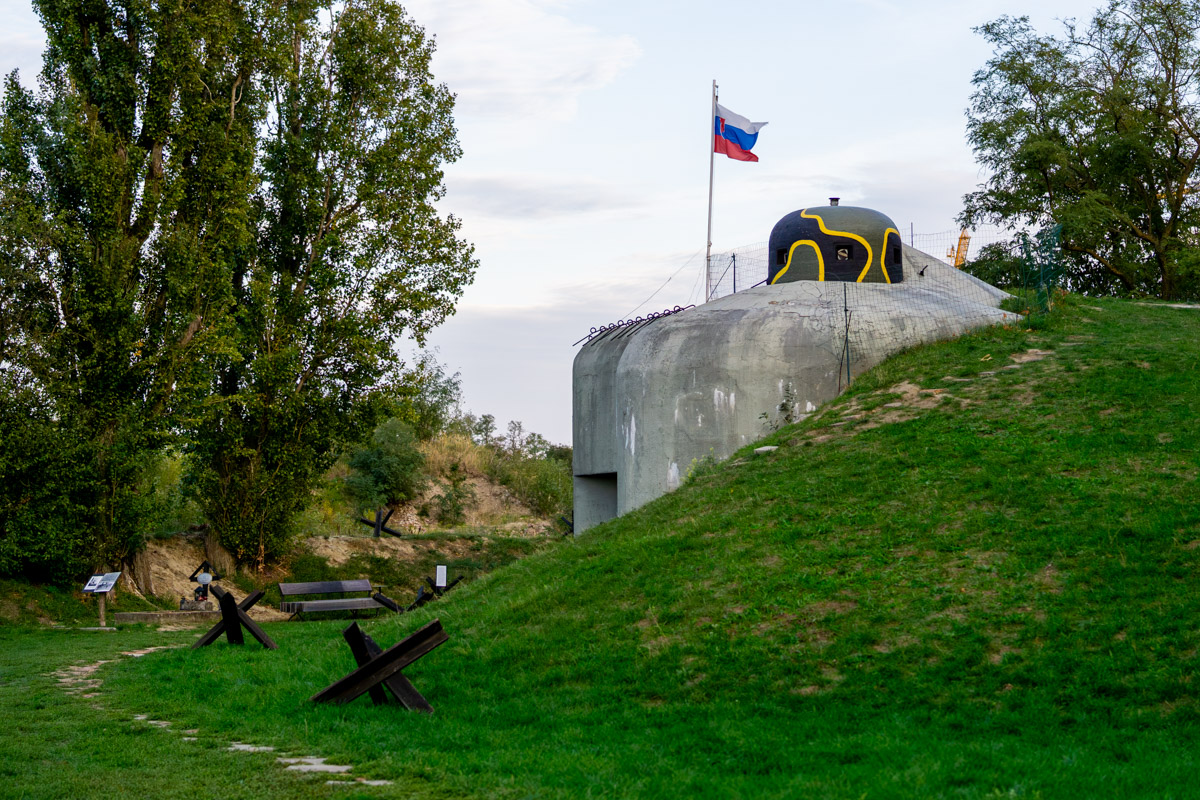
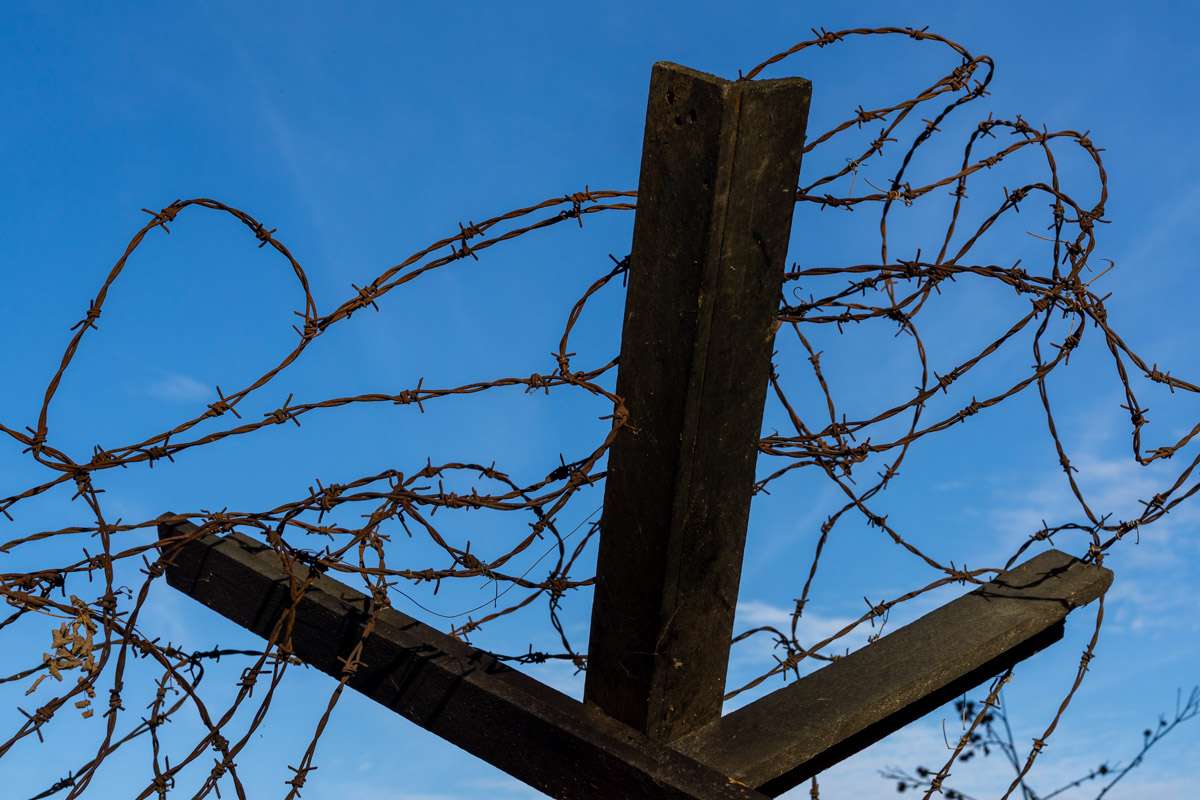
Bunker B-S 4 Lány is a restored Czechoslovak fortification dating back to 1938. The museum offers guided tours of a fully equipped military bunker, including its original-style machine guns, an anti-tank gun, a functional engine room, a filtration system, and soldiers’ living quarters. You can also explore the outdoor defensive structures, including anti-tank and anti-personnel obstacles.
The bunker is maintained and gradually restored by volunteers from the Museum of Petržalka Fortifications civic association. Visitors consistently praise their dedication, attention to detail, and enthusiasm. Many people also highlight the knowledgeable guides, who explain the bunker’s history and equipment in an engaging way. Some visitors even get the opportunity to handle or try certain exhibits during the tour.
I haven’t visited the interior myself. However, I walked to the bunker from the nearby cemetery during the winter months and explored the surroundings from the outside. I would recommend making the trip in spring, summer, or early autumn, when the weather is warmer and the walk is more pleasant. Be prepared for limited shade along the route, especially on hot summer days.
You can reach the area by public transport and continue on foot. One option is bus 80 from Kollárovo námestie to the Kapitulská stop and then walking. The bunker is also accessible by bicycle via the Danube cycle route.
Practical information: The museum generally operates on Saturdays during the warmer months. Opening dates and guided tour times can vary. Check the official Museum of Petržalka Fortifications website before your visit. Based on the information available to me, admission is €9.
Allow around 45–60 minutes for the guided tour, although the total time will depend on the group and the explanations. Booking in advance is a good idea, particularly if you want a tour in English.
Bunker B-S 2 Mulda
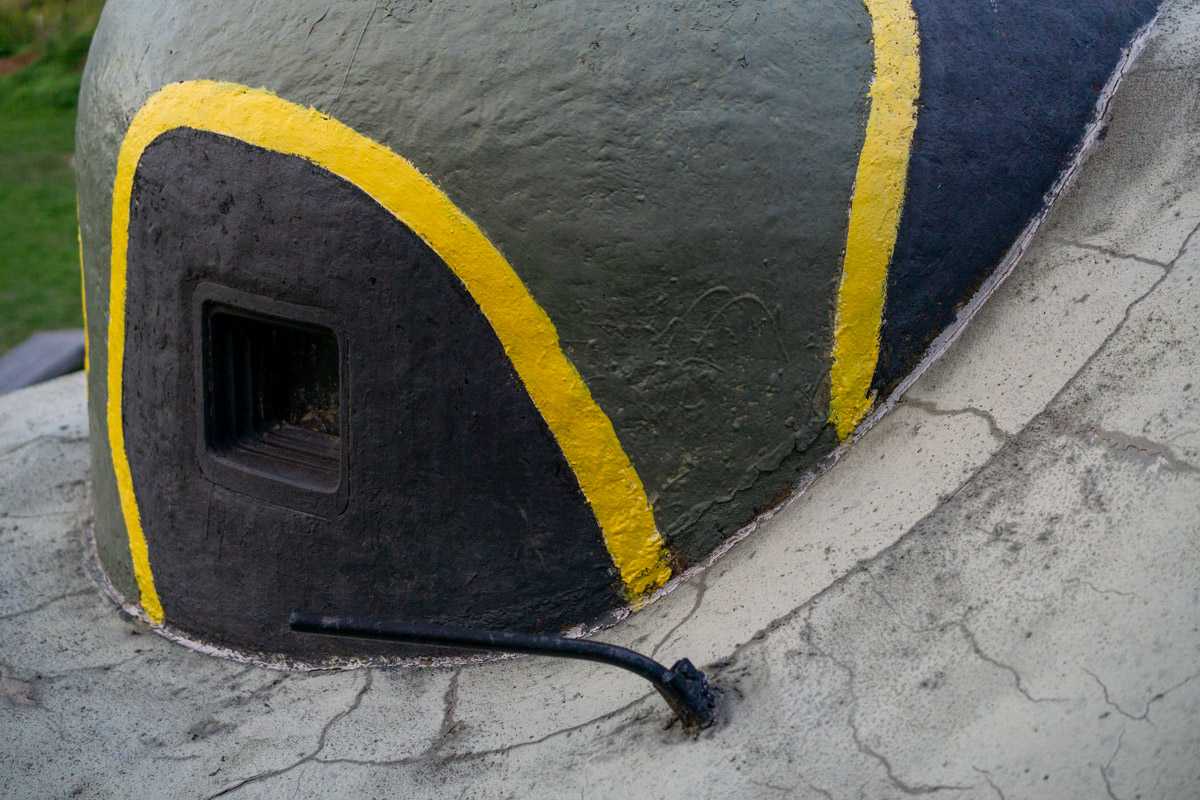
Bunker B-S 2 Mulda is another part of Bratislava’s former Czechoslovak fortification line. Built in the 1930s, it has a distinctive appearance that makes it an interesting stop for photography. I particularly like its facade, which stands out against the surrounding landscape.
Unlike B-S 4 Lány, which operates as a museum with guided tours, Mulda has a more abandoned, urbex-like atmosphere. According to visitors, it is sometimes possible to enter the bunker and see remnants of tools and other objects left inside. One visitor also mentions an old weapons storage structure behind it. However, access conditions may change, so don’t assume the interior will always be accessible.
I haven’t explored the bunker myself. I visited the area during a longer walk that started at Bunker B-S 8 “Cemetery”. By the time I reached this part of the route, it was getting dark and the weather had turned quite cold. I decided not to explore the bunker under those conditions, so my impressions of its interior are based on visitor reviews rather than personal experience.
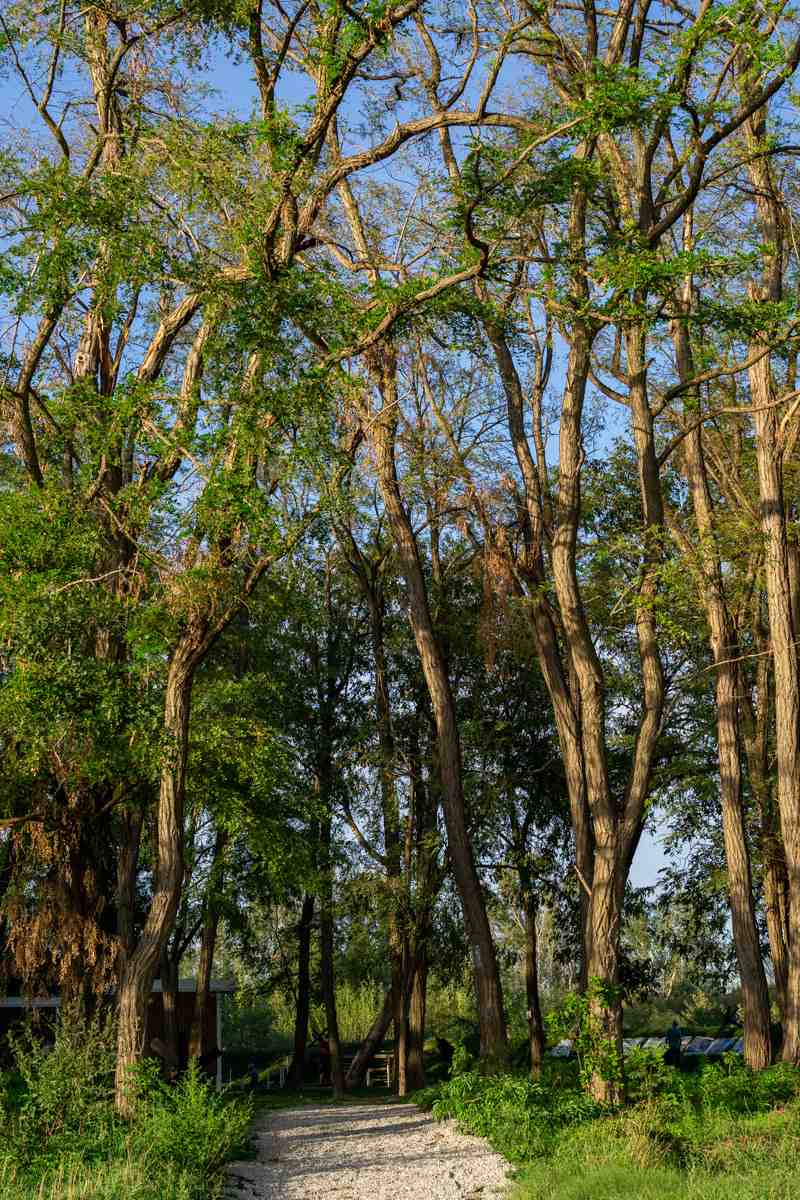
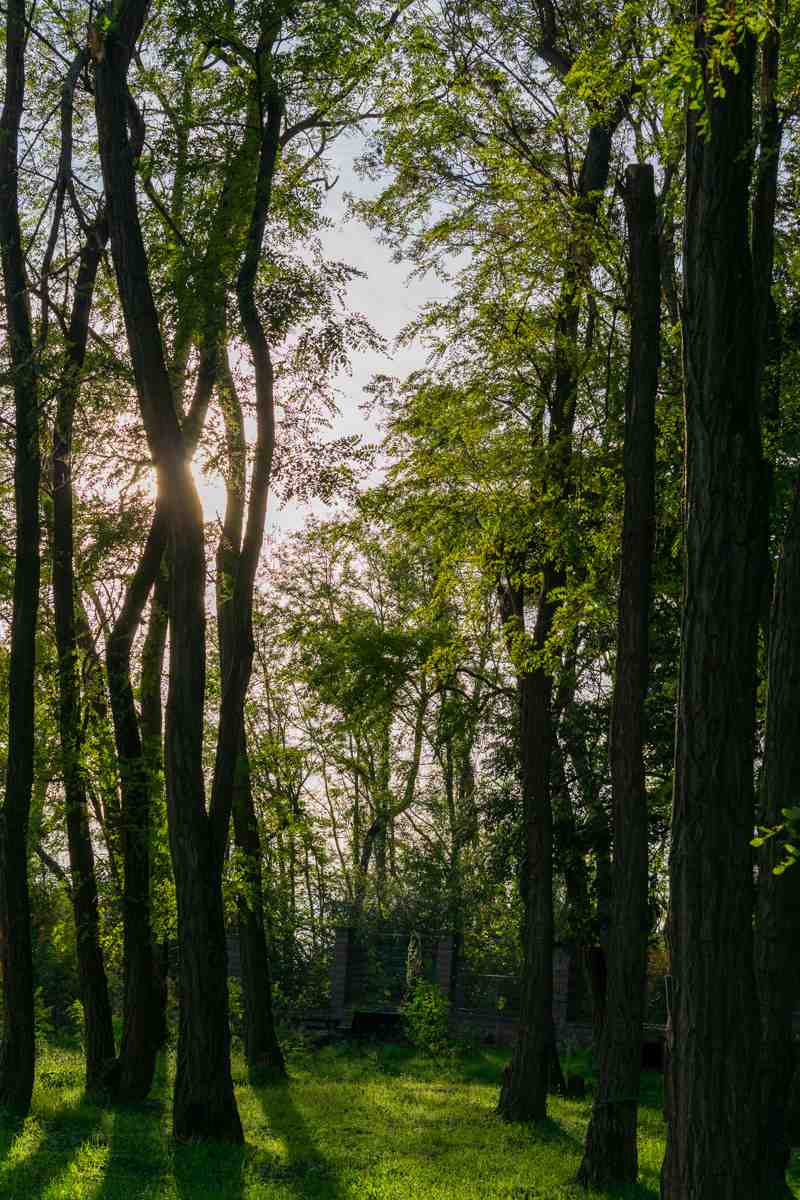
The bunker can be difficult to find because it is tucked away among trees and vegetation. Some visitors recommend using Mapy.cz rather than Google Maps, as the latter may lead you through overgrown paths. Other reviews mention a more clearly marked route from the nearby cycle path. Wear suitable shoes and allow extra time to find the entrance, especially if the vegetation is dense.
Is it worth visiting? If you enjoy abandoned places, military architecture, and urban exploration, Mulda is worth adding to your route. It is approximately a 21-minute walk from B-S 4 Lány, making it possible to visit both bunkers on the same outing. Keep in mind that this is not a conventional museum, and entering an abandoned structure can be hazardous. Explore only where it is safe and permitted.
Bunker B-S 1
Bunker B-S 1 Štěrkoviště is a Czechoslovak infantry blockhouse built between 5 and 12 December 1936. It stands near the Danube, close to Pečnianska Beach and the Lafranconi Bridge.
Today, it has a weathered, abandoned appearance that may appeal to urban explorers and anyone interested in lesser-known historical places.
Unlike a conventional museum, this bunker remains largely unrestored. Visitor reviews describe graffiti, overgrown vegetation, and a relatively bare interior. Some visitors have been able to enter and explore its two levels, while others mention rubbish or signs that people may occasionally use the shelter. Conditions can change, so access and the state of the interior are not guaranteed.
I haven’t visited B-S 1 myself yet. It is approximately a 26-minute walk from B-S 2 Mulda, but I ran out of time during my previous walk and didn’t manage to reach it. I’ll have to return to explore this part of Bratislava’s fortifications properly.
The bunker is accessible on foot or by bicycle via the paths along the Danube. According to visitor reviews, one approach is from the Lafranconi Bridge, while another follows the riverside cycle path. Although some visitors find it easy to reach, others mention overgrown vegetation around the structure. Bring a flashlight if you plan to look inside, and watch your step because the interior may contain debris or uneven surfaces.
If you're planning to explore Bratislava's bunkers, consider staying in Petržalka. This district is a convenient base for visiting some of the city's historic border fortifications, while the city centre is still easy to reach by public transport.
Some of the best-rated accommodation options in Petržalka include Penzión Berg, Barok Hotel, and Ponton Rooms. Check All Accomodation OptionsWhat Was Life Like Inside Bratislava’s Bunkers?
Bratislava’s bunkers were more than concrete defensive structures. They were designed to accommodate soldiers for extended periods, even under difficult conditions. The larger bunkers had two floors, with the combat positions on the upper level and living quarters and technical facilities below.
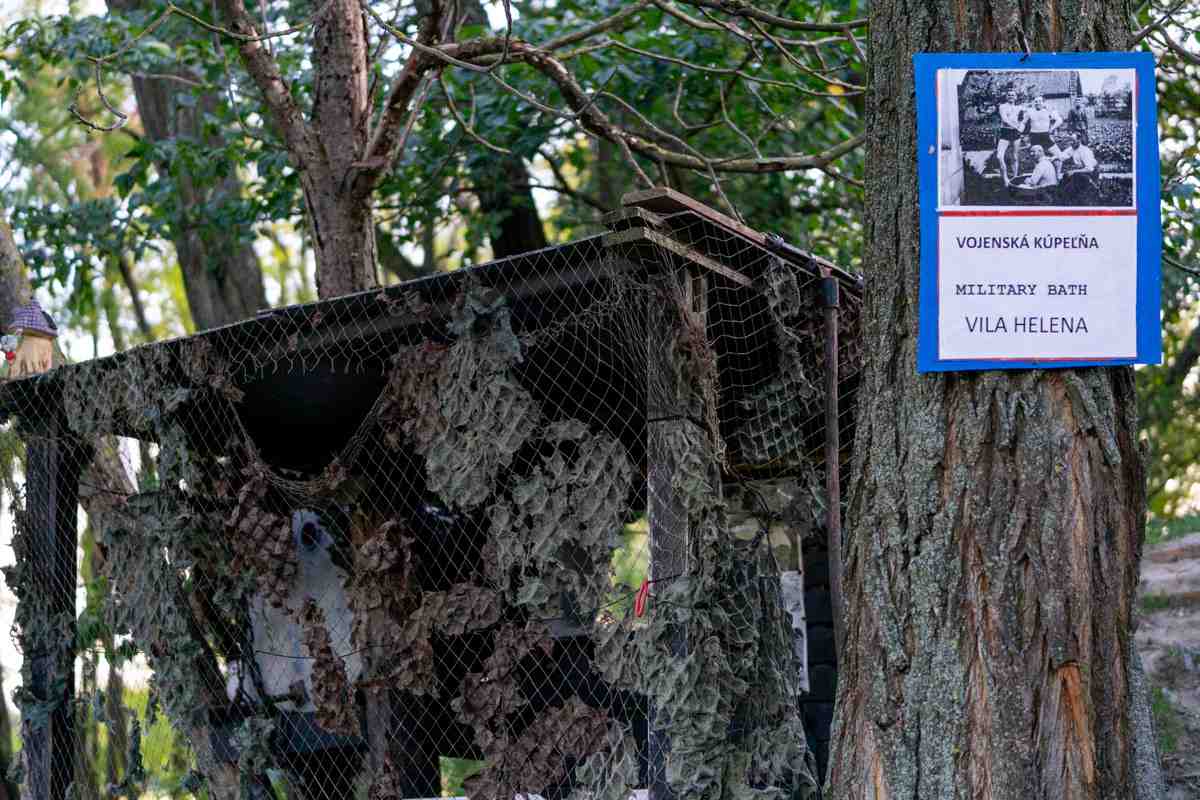
Life inside was basic but surprisingly well equipped for the 1930s. The bunkers had sleeping areas, washing facilities, and even flush toilets. Water came from their own wells, while food supplies were intended to last for up to 14 days. However, there were fewer beds than soldiers, so some members of the crew always had to remain on duty while others rested.
The bunkers also had ventilation systems with chemical filters to protect the crew against gas attacks. Diesel engines supplied electricity, although they were only switched on when necessary. At other times, soldiers relied on kerosene lamps for lighting.
Another interesting detail is how the bunkers were positioned to defend one another. Their firing openings were angled rather than aimed directly towards the expected direction of an enemy attack. This arrangement allowed neighbouring bunkers to provide overlapping fields of fire, making the defensive line more effective.
Can You Visit Bratislava Bunkers on Your Own?
Yes, you can visit Bratislava’s bunkers independently. If you’re travelling from the city centre, you can take bus 80 (from Kollárovo Námestie) and get off at its final stop Nesto (around 15 minutes ride) to reach the area around some of the fortifications. Alternatively, rent a bicycle if you want to cover more ground without walking long distances between the bunkers.
Keep in mind that the bunkers are spread across the Petržalka area, and not all of them are easy to find. Some are hidden among trees and overgrown vegetation, so using a navigation app such as Mapy.cz can be helpful. If you plan to visit several bunkers on foot, allow enough time for the journey between them. I would recommend half day trip or even whole day trip. Wear comfortable shoes and bring water, especially in warmer months.
Bratislava Bunker Tours
If you prefer exploring Bratislava’s bunkers with a guide, there are several tours that combine military history with other lesser-known parts of the city.
This four-hour private tour combines a visit to a restored WWII bunker with a drive through Petržalka and a stop at the Slavín War Memorial. Along the way, the guide introduces Bratislava’s wartime history and the city’s later development, including life under communism. It is a good option if you want to explore beyond the historic centre without having to plan your own route.
If you prefer an active outing, this four-hour small-group tour explores Bratislava by electric bike. The route includes cycling along the Danube, passing city landmarks, and visiting the B-S 4 Lány and B-S 8 bunkers. You’ll also learn about the former Iron Curtain border and the history of Czechoslovak fortifications. The tour includes an e-bike, helmet, local guide, and museum admission.
Practical Tips for Visiting
- Best time to visit: Spring and autumn can be pleasant for exploring the bunkers on foot, while longer summer days give you more time to visit several locations.
- Navigation: Download an offline map before setting out, as some bunkers are hidden among vegetation and can be difficult to locate.
- Photography: Bring your camera. The bunkers offer interesting details, weathered concrete surfaces, and opportunities for urban exploration photography.
- Respect the sites: Do not leave rubbish behind, damage the structures, or enter areas that appear unsafe.
Conclusion
If you only have time to visit one bunker, I personally recommend B-S 8 “Cemetery”, which combines military history with an interesting setting. The surrounding area is also worth exploring for landscape and portrait photography around sunset, provided the weather cooperates. The bunkers closer to the Danube, such as B-S 2 Mulda and B-S 1 Štěrkovité, are better suited to longer walks or bike rides along riverside paths and through wooded areas.
Sources:
- https://www.obnova.sk/pressburger-bruckenkopf-opevnenie-presporskeho-predmostia/
- https://mpo.sk/podujatia/
Sources: